 Tampa Siding
 Building Decks That Actually Hold Up in Plant City
Plant City sits a bit further inland than the beach communities of Pinellas and southern Hillsborough County, but that doesn't mean your deck gets an easier ride. You've still got the same subtropical humidity, the same brutal summer UV index, and the same tropical storm and hurricane wind exposure that the rest of the Tampa Bay area deals with every season. What's different here is the setting: Plant City properties tend to sit on larger lots, often bordering open fields, pastureland, or mature tree canopy, which changes how a deck should be sited, framed, and finished. A deck built here has to handle sun exposure with fewer nearby structures to block it, rain runoff from bigger rooflines and yards, and, on properties closer to outbuildings or tree lines, more moisture held near ground level than you'd see on a tight urban lot.
We don't treat a Plant City deck build as a smaller version of a Tampa or Brandon job. The engineering, material choices, and detailing all get adjusted for the actual site conditions and the way the home is going to be used.
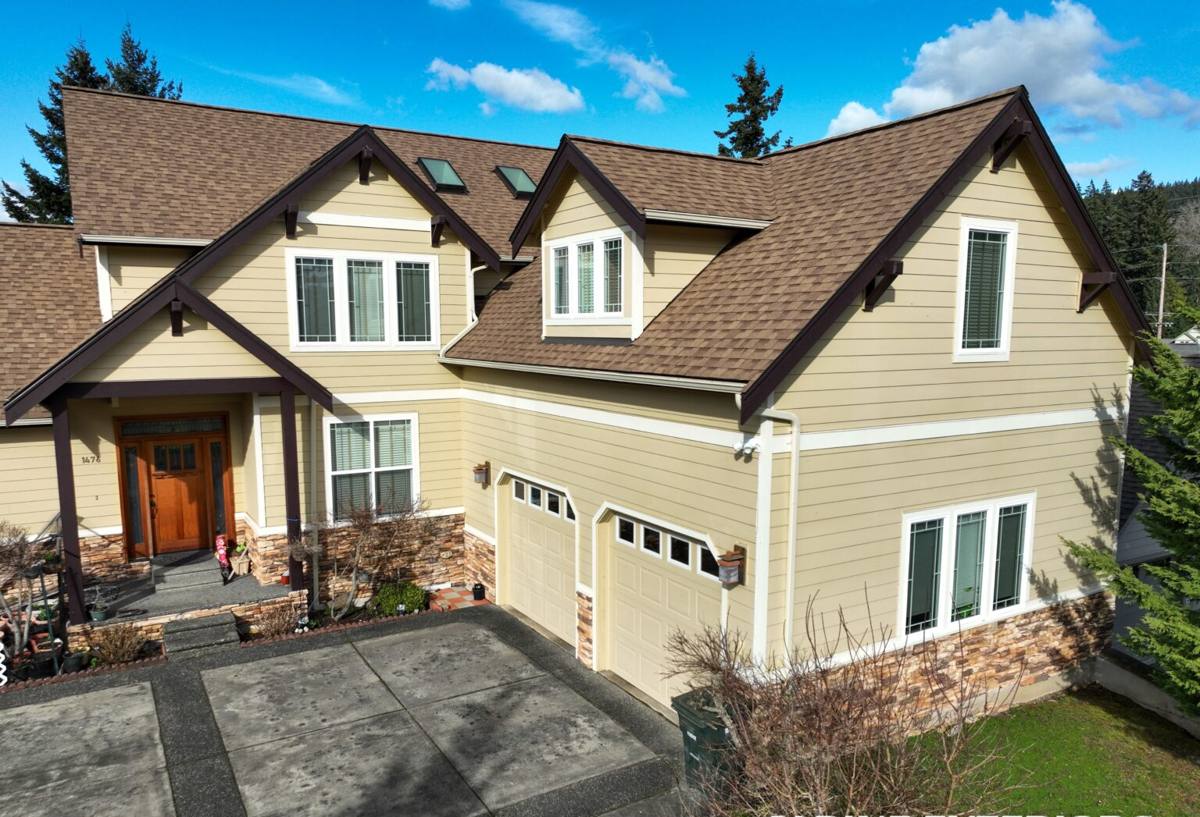
What Plant City's Climate Actually Does to a Deck
UV and Heat
Central Florida sun is intense nearly year-round, and a deck with open sky exposure — common on Plant City's larger, less shaded lots — takes a harder UV beating than a shaded urban deck. Untreated wood grays and checks fast; dark composite boards can get hot enough underfoot to matter for bare feet and pets. Color and material choice should account for how much direct sun your specific deck location gets, not just what looks good in a showroom.
Humidity and Wind-Driven Rain
Hillsborough County's humidity keeps moisture in wood and around fasteners longer than in drier climates, and summer storms bring rain sideways as often as straight down. Any deck design that traps water against framing, hardware, or ledger connections is setting up a slow rot or corrosion problem, even if the surface boards look fine for years.
Hurricane and Tropical Storm Wind
Plant City is squarely within the Florida Building Code's wind design requirements, and a deck attached to your home is a structural extension of it — not a separate, lightly-built add-on. Ledger attachment, post anchoring, and joist connections all need to be sized for uplift and lateral load, not just the static weight of people standing on it.
Salt Air — Further Away, But Not Absent
Plant City doesn't sit on the water, so salt exposure here is lower than what a dock or beachfront deck in Pinellas County deals with day to day. But Gulf storm systems still push salt-laden air well inland during and after landfall events, and over years that adds up on exposed metal hardware. We still spec corrosion-resistant fasteners and connectors as standard, not as an upcharge — it's cheap insurance against a problem that's expensive to fix once it starts.
What a Correctly Built Custom Deck Involves
A deck that's going to perform in this climate for decades is built in layers, and every layer matters:
- Footings sized for the soil — Plant City's sandier, more variable soils need footings depth and diameter matched to actual load calculations, not a one-size guess.
- Ledger flashing done right — the single most common source of hidden rot on attached decks is a ledger board flashed incorrectly or not at all where it meets the house.
- Joist hangers and fasteners rated for exterior/coastal-adjacent use — standard interior-grade hardware corrodes and fails faster here than most homeowners expect.
- Proper board spacing and drainage slope — so water sheds off the deck surface instead of sitting against wood or under composite boards.
- Ventilation beneath the deck — trapped humid air under a low deck is a long-term moisture problem waiting to happen.
- Termite-aware detailing — Florida's termite pressure is a year-round reality, and framing choices and ground clearance both play into resistance.
Choosing the Right Decking Material for Your Property
There's no single "best" decking material — the right choice depends on your budget, how much direct sun and moisture your deck location sees, and how much upkeep you actually want to do.
| Material | Upfront Cost | Maintenance | Sun/Humidity Performance |
|---|---|---|---|
| Pressure-treated wood | Lowest | Annual sealing/staining recommended | Good if maintained; grays and checks quickly if neglected |
| Tropical hardwood | High | Periodic oiling to maintain color | Naturally dense and rot-resistant; still needs UV protection |
| Capped composite | Mid-high | Low — occasional washing | Strong UV and moisture resistance; can run warmer underfoot in full sun |
| PVC decking | Highest | Lowest | Excellent moisture resistance; fully synthetic, no wood rot risk |
For open, sun-exposed lots that are common in Plant City, we often steer homeowners toward capped composite or PVC for the field of the deck, sometimes paired with a wood or composite railing detail for a warmer look. For shaded, tree-covered sites, a well-maintained wood deck can still make sense and cost less up front.
A Note on Product Standards We Hold To
We install a narrower range of decking brands and lines than the full market offers, and that's deliberate. Some lower-tier composite products have thinner capping, less consistent core density, or warranty structures that leave homeowners exposed after a few Florida summers. We'd rather recommend a slightly more expensive product with a track record of holding up under real UV and moisture stress than install something cheaper that turns into a callback in three years.
Foundations and Framing Built for Local Ground Conditions
Plant City's larger residential lots often mean decks sited further from the house's existing drainage patterns — sometimes over ground that stays damper longer after storms, especially near tree lines or lower-lying yard areas. Before we frame anything, we look at how water actually moves across your specific lot, not just the footprint of the deck itself. Footings get set below grade to the depth the load calculations call for, posts get proper standoff hardware to keep wood off concrete and out of standing water, and where ground clearance is tight, we detail extra ventilation and inspection access underneath.
Permits and Working Within Hillsborough County Requirements
A custom deck attached to your home is a permitted structure under the Florida Building Code, and Hillsborough County's permitting process reviews the structural plans — footing size and depth, framing spans, attachment method, and railing/guard requirements if the deck is elevated. We handle the permit drawings and inspections as part of the build; you shouldn't have to navigate that process yourself. If your property has an HOA, we also factor in any material or appearance restrictions before finalizing the design, so there are no surprises after the plans are already drawn.
Our Process, Start to Finish
- On-site assessment — we walk your property, look at sun exposure, drainage, existing structure condition, and how you want to use the space.
- Design and material selection — layout, decking and railing material, and finish options matched to your budget and how much upkeep you want long-term.
- Engineering and permitting — structural plans sized for Florida wind load requirements, submitted through Hillsborough County.
- Site prep and footings — footings and post placement based on your soil and load calculations, not a generic template.
- Framing and ledger attachment — proper flashing, hardware, and connections done to code, not just to "look finished."
- Decking, railing, and finish work — final surface installation, fastening pattern, and any trim or lighting details.
- Final inspection and walkthrough — we confirm everything passes and walk you through basic care for whatever material you chose.
Why It Matters That We Already Work in Plant City
A crew that regularly works Hillsborough County jobs already knows the permitting office's expectations, has a working sense of how local soil and drainage behave, and isn't guessing at wind load requirements for the first time on your project. That familiarity shows up in fewer inspection delays, fewer surprises once footings are dug, and a design that fits how homes are actually laid out and used in this part of the county — not a plan copied from a coastal condo build or a subdivision two counties over.
Keeping Your Deck in Good Shape Long-Term
Whatever material you choose, a few habits go a long way in this climate:
- Rinse off pollen, dust, and organic debris a few times a year — it holds moisture against the surface if left to build up.
- Check fastener heads and railing connections annually for rust or looseness, especially after storm season.
- Keep gutters and downspouts near the deck clear so runoff isn't dumping directly onto or under the structure.
- If you chose wood, plan on resealing or restaining on the schedule your specific species needs — don't wait until it's visibly gray and dry.
- Trim back vegetation that's shading the underside of the deck and keeping ground moisture from evaporating normally.
Let's Talk About Your Deck
If you're thinking about adding or replacing a deck on your Plant City property, we're happy to come take a look, walk the site with you, and put together an honest estimate — no pressure, no pushy sales pitch. Use the form below to get started.