 Tampa Siding
 Plant City's Climate Is Harder on Siding Than Most Homeowners Realize
Plant City sits inland from Tampa Bay, in the eastern stretch of Hillsborough County along the I-4 corridor. That inland position spares it the direct salt spray that coastal Tampa neighborhoods deal with, but it does not spare it from the rest of what Gulf Coast Florida throws at a house every year: long, humid summers, intense UV exposure nearly year-round, sudden and heavy afternoon thunderstorms, and the real possibility of hurricane-force wind and wind-driven rain during the June-through-November storm season.
Siding on a Plant City home has to survive all of that at once, repeatedly, for decades. It is not one bad storm that ruins siding here — it is the cumulative cycle of soaking up humidity, drying out under UV, flexing in wind, and taking on wind-driven rain at every seam and joint. Materials that are not built for that cycle show it early: fading, swelling, delamination, or soft spots years before they should be replaced.
Why Fiber Cement Is the Right Material for This Climate
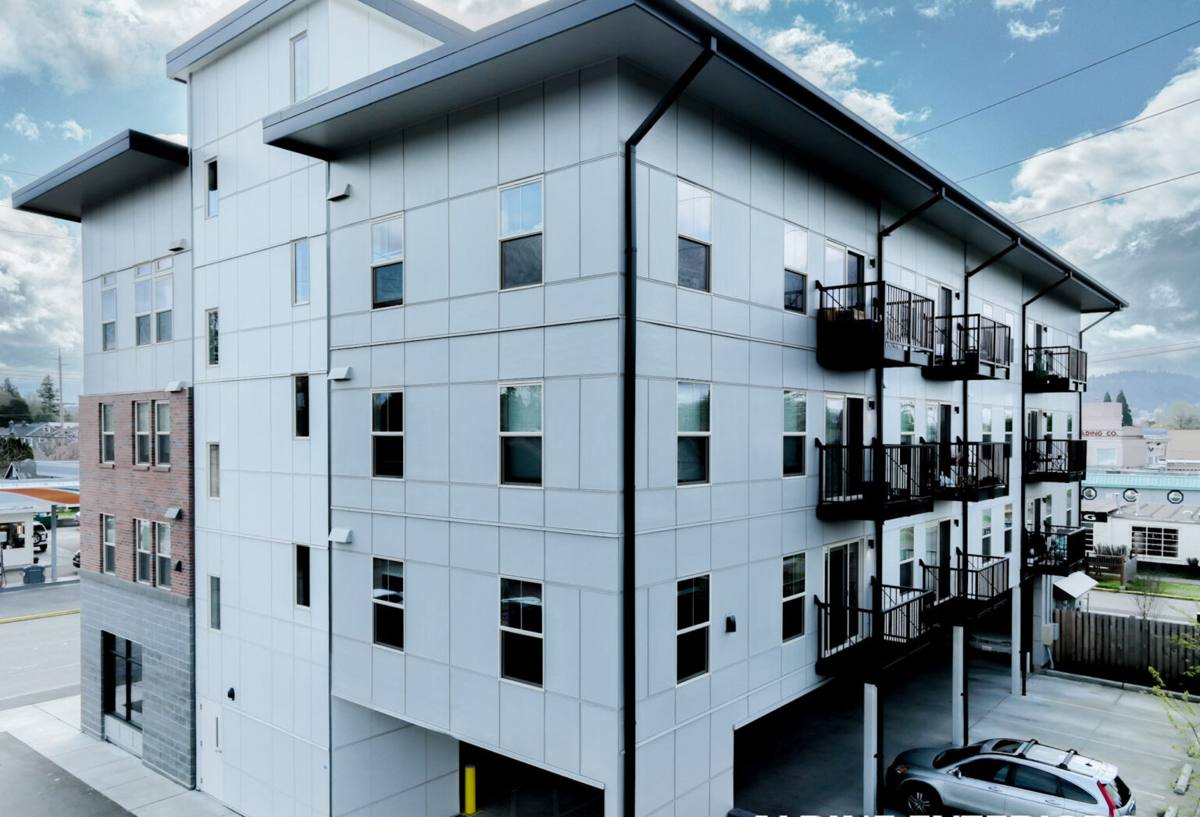
Fiber cement siding — specifically James Hardie's product line — is a mix of cement, sand, and cellulose fiber engineered to resist the specific failure modes that Florida's climate causes. It does not absorb and release moisture the way wood-based products do, it holds paint and factory finish far longer under constant UV than most alternatives, and it is non-combustible, which matters during dry spells and for insurance considerations alike.
What we don't install, and why
We are asked from time to time about LP SmartSide, vinyl, or other fiber cement brands. We do not install them. Vinyl can warp and fade under sustained Florida sun and offers little resistance to wind-driven debris in a bad storm. Engineered wood products like LP SmartSide perform reasonably well when kept dry and maintained, but they are a wood-strand product at heart, and wood-based sidings carry a higher long-term moisture risk in a climate this humid. Other fiber cement brands exist, but we have standardized on James Hardie specifically because of its climate-engineered HZ product lines, its factory-applied ColorPlus finish, and a warranty structure we can stand behind on every job we do. That is a professional standard, not a knock on every other product on the market — it is simply where we decided the trade-offs land in our favor for Hillsborough County homes.
What James Hardie Fiber Cement Actually Involves
"Hardie siding" is not one product — it is a system, and getting it right in Plant City means using the right pieces of that system correctly.
- HardiePlank lap siding — the most common profile for single-family homes, available in multiple textures and exposures.
- HZ5 climate designation — Hardie engineers its products for specific climate zones, and Hillsborough County falls in the HZ5 zone, formulated for high humidity and moisture exposure rather than freeze-thaw cycling.
- ColorPlus Technology — a factory-baked finish that resists fading and chipping far better than field-applied paint, which matters under Tampa-area UV.
- Trim, soffit, and fascia components — matched Hardie trim products so the whole envelope handles moisture the same way, rather than mixing a durable field material with a weak trim material.
Choosing the right plank profile, exposure, and color is a real decision — but it only pays off if the installation underneath it is done correctly, which is where most siding failures in this climate actually start.
What a Correct Installation Requires
Fiber cement siding is unforgiving of shortcuts. James Hardie publishes detailed installation requirements, and skipping them is the single biggest reason a siding job fails early in a climate like ours.
The details that matter most here
- Proper clearance — siding needs a minimum gap above roof lines, decks, and grade so wind-driven rain doesn't wick up into the bottom edge of the plank.
- Correct fastener pattern — fasteners placed and spaced per Hardie's specification so panels stay secure under hurricane-force wind loads instead of working loose over time.
- Weather-resistant barrier and flashing — a continuous water-resistive barrier behind the siding and properly lapped flashing at every window, door, and penetration, so any moisture that does get past the surface has somewhere to go besides the wall cavity.
- Sealed and primed cut edges — every field-cut end of a Hardie plank has to be sealed, because a raw cut edge is the fastest way moisture gets into the material.
- Joint treatment — butt joints and seams installed and caulked to Hardie's spec, not just butted together and painted over.
Common mistakes we find and fix
On tear-off jobs and inspections around the Tampa area, the same handful of installation errors show up again and again: siding nailed directly against roofing without clearance, missing or torn house wrap behind the old siding, caulk used in place of proper flashing, and fasteners driven at the wrong angle or spacing. Every one of these is invisible from the street and every one of them shortens the life of the siding by years.
Our Process for a Plant City Siding Project
- On-site assessment — we walk the home, check the current siding and substrate condition, and look specifically for moisture intrusion, rot, or damaged sheathing that needs to be addressed before new siding goes on.
- Product and color selection — we go through HardiePlank profiles, exposures, and ColorPlus color options based on the home's style and the homeowner's preference.
- Tear-off and substrate repair — old siding comes off, and any damaged sheathing or framing is repaired before we move forward. This step gets skipped by crews trying to save time, and it is where most long-term problems start.
- Weather barrier and flashing installation — a new water-resistive barrier and properly lapped flashing go in around every opening before a single plank is hung.
- Siding installation to Hardie spec — correct clearances, fastener pattern, joint treatment, and sealed cut edges throughout.
- Final inspection and cleanup — we walk the finished job against Hardie's installation checklist before calling it complete.
Why a Crew That Already Works Plant City and Hillsborough County Matters
Siding installation isn't generic — the right approach shifts based on what a house actually deals with locally. A crew that regularly works Plant City and the surrounding Hillsborough County area already knows the practical realities: permitting expectations for the jurisdiction, how local building conditions affect scheduling around Florida's summer storm pattern, and what older homes in this area typically have hiding behind their existing siding versus newer construction. That local familiarity shows up in fewer surprises mid-project and a tighter, more predictable timeline — not in anything flashy, just in a job that goes the way it's supposed to.
It also matters for what happens after installation. A local crew is reachable if a question comes up two years down the road, and stands behind its own workmanship on a home it can actually drive back to.
Cost Factors for a Plant City Fiber Cement Project
Every home is different, and we do not quote pricing without seeing the job, but these are the main factors that move the number up or down on a typical Plant City siding project:
| Factor | Why It Affects Cost |
|---|---|
| Home size and wall complexity | More square footage and more corners, gables, and cutouts mean more material and labor time. |
| Substrate condition | Rotted sheathing or framing found during tear-off has to be repaired before new siding goes on. |
| Plank profile and exposure | Different HardiePlank textures and reveal widths carry different material costs. |
| ColorPlus vs. field-painted | Factory-finished ColorPlus panels cost more upfront but avoid a repaint cycle for years longer. |
| Trim and accessory scope | Full trim, soffit, and fascia replacement alongside the siding adds cost but keeps the whole envelope consistent. |
| Access and site conditions | Multi-story sections, tight lot lines, or landscaping that limits equipment access add labor time. |
Maintaining Fiber Cement Siding in This Climate
Fiber cement is low-maintenance compared to wood or vinyl, but "low-maintenance" is not "no-maintenance" in a climate this humid. A short annual routine keeps a Hardie job performing the way it's designed to for its full lifespan:
- Rinse siding down once or twice a year to clear pollen, mildew film, and general grime before it builds up.
- Walk the exterior after major storms and check caulking at joints, trim, and penetrations for cracking or gaps.
- Keep irrigation heads and sprinklers from spraying directly on siding, which accelerates mildew growth and mineral staining.
- Trim landscaping back from the siding so leaves and moisture don't sit trapped against the surface.
- Watch for any soft spots, staining, or bubbling at the base of walls, which usually points to a flashing or clearance issue rather than the siding material itself.
Get a Straight Answer About Your Siding
If your Plant City home's siding is aging, showing damage from a past storm, or you're just planning ahead, we're happy to take a look and give you an honest read on where things stand. There's no pressure and no obligation — just a straightforward assessment and a free estimate for James Hardie fiber cement siding done right.