 Tampa Siding
 Why Plant City Roofs Wear Out Faster Than the Manual Says
Every asphalt shingle, metal panel, and underlayment sold in Florida comes with a manufacturer's expected service life printed on the box. Those numbers assume a moderate climate. Plant City doesn't have one. Sitting in eastern Hillsborough County, homes here take a combination of intense subtropical sun, tropical-storm and hurricane-force wind gusts, wind-driven rain that gets forced sideways under poorly sealed edges, and humidity that never really lets a roof dry out between storms. Add in the daily UV exposure of a Central Florida summer and you get roofing materials that age faster here than the same product would on a house in Ohio or even North Florida.
That's not a scare tactic — it's just the math contractors who work this area every day have to plan around. A roof replacement in Plant City isn't the same job as a roof replacement somewhere with mild weather. The materials, the fastening pattern, the underlayment, and the ventilation all need to be chosen with hurricane wind loads and year-round sun exposure in mind, not the national average.
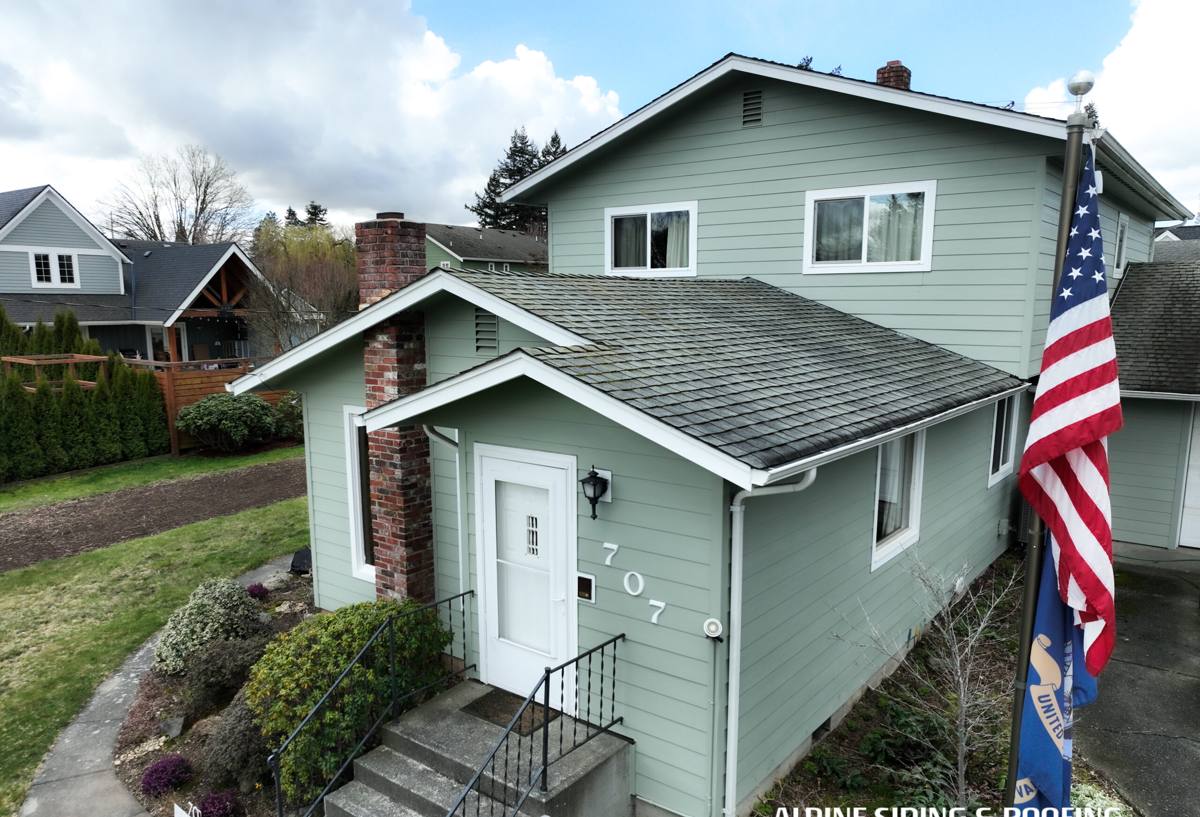
Signs a Plant City Home Actually Needs Replacement, Not a Repair
Not every roof problem calls for a full tear-off. A good contractor tells you the difference honestly instead of defaulting to "replace it" every time. Here's the general logic:
- Isolated leak, roof under 12-15 years old: usually a repair — flashing, a cracked pipe boot, or storm-damaged shingles in one area.
- Granule loss across large sections, curling or cupping shingles: the asphalt has UV-degraded and is nearing the end of its life, even if it isn't leaking yet.
- Multiple leak points in different rooms: often means the underlayment has failed broadly, not just in one spot — a sign the whole system is compromised.
- Roof is 18-20+ years old (asphalt) or has visible sagging, soft decking, or widespread rust/corrosion on metal fasteners: replacement is the honest recommendation.
- Recent wind or hail event with lifted shingles, exposed nail heads, or creased panels: worth a full inspection before storm season, since damage here compounds fast.
We'll walk the roof, check the attic for moisture and ventilation issues, and give you a straight answer — repair if repair makes sense, replacement if it doesn't.
Choosing a Roofing System Built for This Climate
There's no single "best" roofing material for every home — it depends on budget, roof pitch, HOA rules, and how long you plan to stay in the house. What matters is picking a system that's actually suited to wind-driven rain and sustained UV, and installing it correctly. Here's an honest comparison of the systems we install most often in the Tampa area:
| Material | Typical Lifespan Here | Wind Performance | Trade-offs |
|---|---|---|---|
| Architectural asphalt shingle | 18-25 years | Good when installed with enhanced nailing and rated for high wind | Most affordable upfront; UV and heat shorten life faster than in milder climates |
| 3-tab asphalt shingle | 12-18 years | Lower wind rating, more prone to lifting | Lowest cost, but we generally steer homeowners toward architectural shingles for the wind exposure here |
| Standing seam metal | 40-50+ years | Excellent — among the best available for high-wind zones | Higher upfront cost, but very low maintenance and strong resale appeal |
| Metal shingle/panel systems | 30-45 years | Very good | Cost between asphalt and standing seam; good middle-ground option |
| Tile (concrete or clay) | 30-50 years | Good when properly fastened, but individual tiles can crack from impact | Heavier — requires structural check; repairs need matching tile |
We'll talk through which fits your home, your roofline, and your budget rather than pushing whatever's easiest for us to install.
Why We're Selective About Certain Products
Some roofing systems that work fine in drier climates create real maintenance headaches here — low-slope built-up systems with poor drainage, for example, or underlayment products not rated for sustained heat and moisture exposure. When we steer a homeowner away from a product, it's about how it behaves under Tampa Bay conditions and what the warranty actually covers in a wind event, not a knock on any manufacturer.
What a Correct Roof Replacement Actually Involves
A roof replacement is more than swapping old shingles for new ones. Skipping steps is exactly how a "new" roof ends up leaking within two years. Here's what a properly done job includes:
1. Full Tear-Off and Deck Inspection
We remove the existing roofing material down to the deck — never install over old layers. This is the only way to find soft or rotted decking, which is common on older Plant City homes that have absorbed decades of humidity and small leaks. Any compromised decking gets replaced before anything else goes down.
2. Enhanced Underlayment
Given the wind-driven rain this area sees, we use a synthetic or self-adhering underlayment rated for high-wind, high-moisture conditions rather than the bare minimum. This is the roof's true waterproof layer — the shingles or panels on top are the first line of defense, but the underlayment is what keeps water out if that first line is ever breached during a storm.
3. Flashing at Every Penetration
Chimneys, skylights, vent pipes, and roof-to-wall transitions are where most leaks actually start — not in the open field of the roof. Correct step flashing and counter-flashing at every one of these points is non-negotiable.
4. Wind-Rated Fastening
Nailing pattern and fastener count matter as much as the material itself. We follow enhanced nailing schedules appropriate for our wind zone rather than the manufacturer's bare minimum spec — this is one of the biggest factors in whether a roof stays intact in a tropical storm.
5. Attic Ventilation
Proper intake and exhaust ventilation keeps attic temperatures and moisture in check, which extends shingle life and helps prevent the kind of trapped humidity that leads to deck rot and mold. A lot of older homes in this area are under-ventilated for the loads they're carrying today.
Our Process, Start to Finish
- Inspection and honest assessment — roof surface, attic, decking, and ventilation checked before we recommend anything.
- Written estimate — material options, scope, and price laid out clearly, no vague allowances.
- Permitting — pulled through Hillsborough County/City of Plant City as required before work starts.
- Material delivery and site protection — landscaping, driveways, and gutters protected before tear-off begins.
- Tear-off and deck repair — old roofing removed, deck inspected and repaired as needed.
- Underlayment, flashing, and install — done to code and to the enhanced wind standards described above.
- Cleanup and magnetic nail sweep — job site cleared of debris and loose fasteners.
- Final walkthrough — we review the finished roof with you before calling the job done.
Permits, Code, and Wind Mitigation
Hillsborough County and the City of Plant City both require permits for roof replacement, and Florida's building code sets specific standards for wind resistance, underlayment, and fastening that apply here. We handle the permitting and inspections as part of the job — you shouldn't have to chase paperwork. We also make sure the finished roof qualifies for a wind mitigation inspection, which can lower your homeowners insurance premium. That inspection documents things like roof shape, roof-to-wall connections, and secondary water barrier — details that are far easier to verify and document during installation than to retrofit later.
What Roof Replacement Costs in the Plant City Area
Exact pricing depends on your roof's size, pitch, complexity, and chosen material, but here's a general sense of what drives the number up or down:
| Cost Factor | Impact |
|---|---|
| Roof size (square footage) | Largest single driver of overall cost |
| Roof pitch and complexity | Steep or multi-plane roofs take longer and require more safety setup |
| Number of penetrations (chimneys, skylights, vents) | Each requires custom flashing work |
| Decking condition | Rotted decking found during tear-off adds material and labor |
| Material choice | Asphalt shingle is the most affordable; metal and tile cost more upfront but last longer |
| Ventilation upgrades | Adding or improving intake/exhaust vents adds modest cost, extends roof life |
We provide a written, itemized estimate before any work starts — you'll know exactly what you're paying for and why.
Why Hiring a Crew That Already Works Plant City Matters
A roofing crew that regularly works this specific area already knows the local permitting process, has a working relationship with the county and city inspectors, and understands the wind and moisture conditions Plant City homes actually face — not the generic conditions in a manufacturer's install guide. That familiarity shows up in small but real ways: fewer permit delays, fewer inspection callbacks, and a crew that isn't guessing about what enhanced fastening or underlayment spec makes sense for this wind zone. It also means someone local who can respond quickly if a storm causes damage down the road, instead of a company that did one job here and moved on.
Questions Worth Asking Before You Hire Anyone
- Are you licensed and insured to work in Hillsborough County, and can you provide proof?
- Will you pull the permit yourselves, and is that included in the estimate?
- What underlayment and fastening spec will you use, and is it rated above code minimum?
- Do you inspect and repair decking as part of the job, or is that a separate charge if found?
- Will the finished roof support a wind mitigation inspection for insurance purposes?
- What does the workmanship warranty cover, separate from the manufacturer's material warranty?
Protecting Your Investment After Installation
A correctly installed roof still benefits from basic upkeep in this climate. A short annual routine goes a long way:
- Clear gutters and downspouts before hurricane season so water has somewhere to go.
- Trim overhanging branches that can drop debris or scrape shingles in high wind.
- Have the roof visually checked after any major storm, even if you don't see obvious damage.
- Watch for granule buildup in gutters, which signals accelerating shingle wear.
- Keep attic ventilation clear of insulation blocking soffit vents.
If you're weighing a repair against a full replacement, or just want an honest read on where your roof stands, we're happy to take a look. The estimate is free, there's no pressure, and you'll get a clear answer either way — use the form below to get started.