 Tampa Siding
 Building a Deck That Actually Holds Up in Riverview
Riverview sits in that fast-growing stretch of unincorporated Hillsborough County between Brandon and Sun City Center, close enough to Tampa Bay that the same weather patterns that batter the coastline reach inland too. A deck here isn't just a weekend carpentry project — it's an outdoor structure that has to survive Florida sun, sideways rain, high humidity, and the occasional hurricane, year after year. We build decks specifically with that reality in mind, not a generic "deck kit" approach borrowed from a colder, drier climate.
A lot of deck problems we get called out to fix in this area didn't start as bad design. They started as a deck built the way it would be built in Ohio or Pennsylvania, with fasteners, flashing, and framing choices that were never meant to handle a Gulf Coast summer. Building it right the first time costs less than rebuilding it in five years.
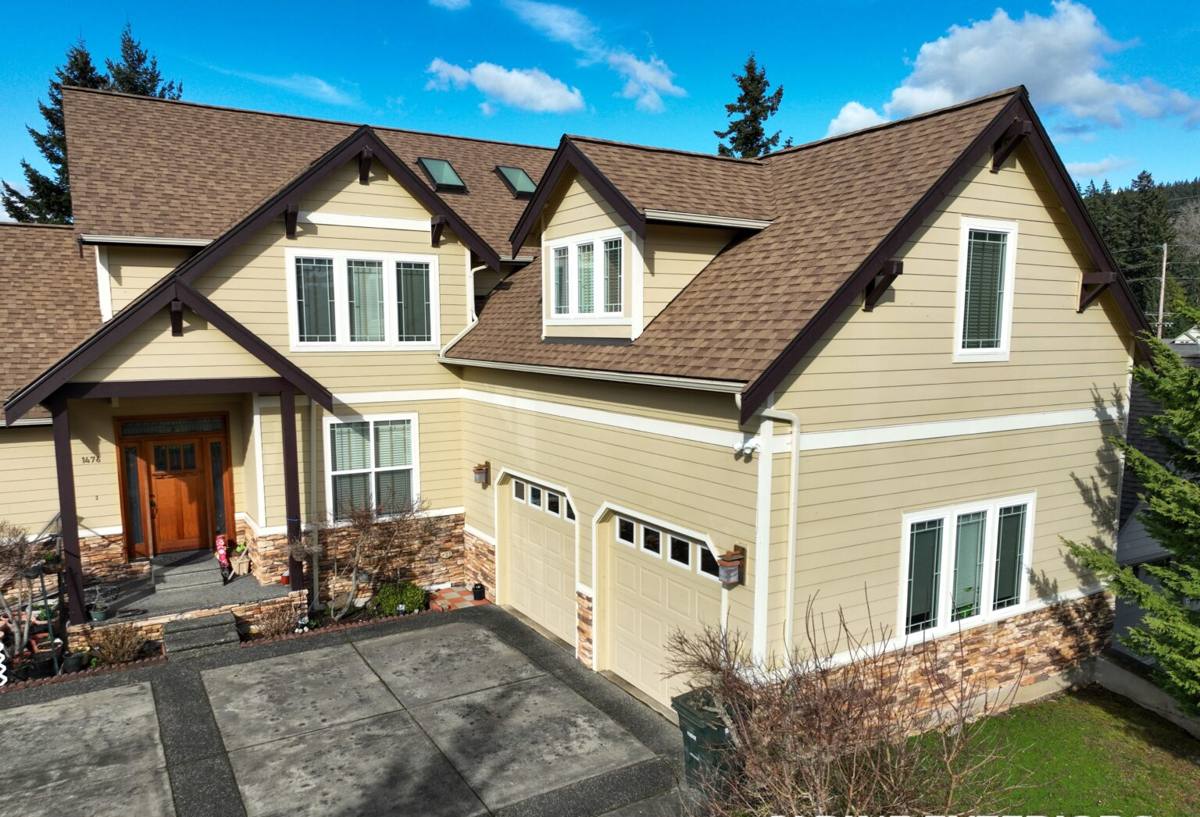
What Tampa's Climate Actually Does to a Deck
UV and Heat
Hillsborough County gets intense, nearly year-round sun exposure. UV breaks down the surface fibers of untreated wood, fades color, and dries out the natural oils in lumber, which is why an unsealed deck here can look weathered within a single summer. Composite and PVC decking resist this better than raw wood, but even those products vary in how well their color-stabilizing additives hold up over a decade of Florida sun.
Humidity and Wind-Driven Rain
Afternoon thunderstorms push rain sideways, driving moisture into board gaps, fastener holes, and any spot where end grain is exposed. Combined with our humidity, that moisture doesn't dry out quickly, which is exactly the condition that leads to rot in wood framing and corrosion in poor-quality hardware. Proper drainage gaps, correctly flashed ledger boards, and moisture-resistant fasteners matter more here than almost anywhere else in the country.
Hurricane-Force Wind
Any deck attached to a Riverview home needs framing and connections sized for real wind load, not just vertical weight. Guardrails, post bases, and the ledger connection to the house are the parts of a deck most likely to fail in high wind if they were undersized or under-fastened to begin with. We frame every deck to hold up under the kind of gusts this region sees, not just the weight of furniture and foot traffic.
Salt Air
Riverview isn't beachfront, but it's close enough to Tampa Bay that salt-laden air still reaches inland on prevailing winds. Salt air accelerates corrosion in cheap fasteners, cheap hinges, and lower-grade metal railing components. Hardware rated for coastal or near-coastal exposure isn't optional here — it's the difference between fasteners that last and ones that streak and weaken within a couple of years.
Choosing the Right Decking Material
There's no single "best" decking material — there's the right material for your budget, your maintenance appetite, and how much direct sun and rain the deck will see. Here's an honest comparison of the options we install most often in this area:
| Material | Upfront Cost | Maintenance | How It Handles This Climate |
|---|---|---|---|
| Pressure-treated pine | Lowest | Annual cleaning and re-sealing recommended | Good if maintained; humidity and UV will find any gap in upkeep quickly |
| Composite (capped) | Mid to high | Occasional washing, no sealing | Strong UV and moisture resistance; stays consistent through humid summers |
| PVC / cellular vinyl | Highest | Lowest maintenance | Fully synthetic — very stable in heat and rain, best long-term fade resistance |
| Tropical hardwood | High | Regular oiling required | Naturally dense and rot-resistant, but needs consistent upkeep in intense sun |
We'll walk you through the real trade-offs for your specific project rather than pushing whichever material has the best margin. If budget is the priority and you're willing to maintain it, pressure-treated wood done correctly is a perfectly reasonable deck. If low-maintenance matters more to you than upfront cost, composite or PVC earns that price difference back in avoided weekends spent sealing and staining.
Structural Details That Matter More Here Than Elsewhere
The visible decking boards get all the attention, but the structure underneath is what determines whether the deck is still solid in ten years. A few things we treat as non-negotiable on every build in this climate:
- Ledger board flashing: Where the deck attaches to the house, correct flashing keeps wind-driven rain from working its way behind the siding and into the rim joist — one of the most common rot points on attached decks.
- Fastener grade: Stainless steel or high-grade coated fasteners rated for treated lumber contact, not standard hardware that corrodes in humid, salt-tinged air.
- Joist hangers and post connections: Sized and installed to resist uplift and lateral wind load, not just downward weight.
- Footing depth: Set to local frost and soil requirements so posts stay stable through wet seasons and storm events.
- Board spacing: Correct gapping between deck boards so water drains instead of pooling and driving rot from the top down.
None of this is visible once the deck is finished, which is exactly why it's worth asking a contractor how they handle it before work starts, not after.
Permitting and Code in Hillsborough County
Deck construction in unincorporated Hillsborough County, including Riverview, generally requires a permit and inspection, with structural requirements tied to Florida's wind-load standards. Requirements can vary depending on deck height, attachment to the home, and whether the property falls near a flood zone along the Alafia River corridor. We handle the permitting process as part of the job rather than leaving it to the homeowner, and we build to pass inspection the first time — not to the bare minimum that might squeak by.
Skipping permits might save a little time upfront, but an unpermitted deck can become a real problem at resale, or with insurance, if it was never inspected against Florida's wind code.
Our Deck Building Process
- Site visit and consultation: We look at your yard, sun exposure, drainage, and how the deck connects to your home before recommending anything.
- Design and material selection: We talk through material options honestly, including cost and maintenance trade-offs, and finalize a layout that fits how you'll actually use the space.
- Permitting: We prepare and submit the permit package and schedule the required inspections.
- Framing and structural work: Footings, posts, ledger flashing, and joists go in first, built to the wind and moisture standards this region demands.
- Decking, railings, and finish work: Boards, railings, stairs, and hardware are installed with attention to drainage, fastening, and clean finish work.
- Final inspection and walkthrough: We confirm the deck passes inspection and walk you through care and maintenance specific to the material you chose.
Railings and Hardware Built for Salt Air and Storms
Railings take a lot of abuse in this climate — direct sun, hand contact, and the same wind-driven rain and salt air that affects the rest of the structure. Cheap aluminum or low-grade cable railing hardware can pit and corrode faster than homeowners expect, especially on decks with good airflow off the bay. We spec railing hardware and fasteners rated for coastal or near-coastal exposure as standard practice, not an upgrade, because replacing corroded railing hardware on a finished deck is far more disruptive than installing the right hardware the first time.
Maintenance That Actually Extends the Life of a Florida Deck
Even a well-built deck needs some ongoing attention in this climate. A simple, realistic maintenance routine goes a long way:
- Rinse off pollen, dirt, and salt residue every few weeks with a hose or low-pressure wash.
- Check and clear drainage gaps between boards so water isn't pooling after storms.
- Inspect fasteners and railing hardware annually for early signs of corrosion or loosening.
- Re-seal or re-stain wood decking on the schedule the product actually requires — usually annually in this climate, not every few years.
- Trim back nearby vegetation so boards get airflow and dry out fully after rain.
- After any major storm, walk the structure and check post connections and railings before heavy use resumes.
Why Hiring a Crew That Already Works Riverview Matters
A deck built by a crew that already works in Riverview and the surrounding Tampa Bay area isn't guessing at what this climate does to a structure — we've seen it firsthand, on real jobs, in this same humidity and sun. That means fewer surprises during permitting, fastener and material choices that are already dialed in for this region, and a build that accounts for wind and rain from the framing stage rather than as an afterthought. It also means someone local you can call if a question comes up after the build is done, not a crew that packed up and moved to the next state.
If you're planning a new deck or replacing one that didn't hold up, we're happy to take a look and give you a straightforward, no-pressure estimate — just fill out the form below and we'll follow up to schedule a time.