 Tampa Siding
 Metal Roofing Built for Riverview's Climate
Riverview sits inland from Tampa Bay along the Alafia River, but "inland" doesn't mean sheltered. Homes here still take the full brunt of Hillsborough County's weather: tropical-system winds that can arrive with little warning, sun exposure that runs hot nearly every month of the year, and the kind of sideways, wind-driven rain that finds every weak seam in a roof. Add in the humidity that never really lets up and the salt-tinged air that drifts in from the bay on a west wind, and you've got a climate that is genuinely hard on roofing materials. Metal roofing, installed correctly, is one of the few systems built to take all of that at once without needing constant attention.
This page is about metal roofing specifically for homes in Riverview — what the local climate demands from the system, what a correct installation actually involves, and why it matters that the crew doing the work already knows this area.
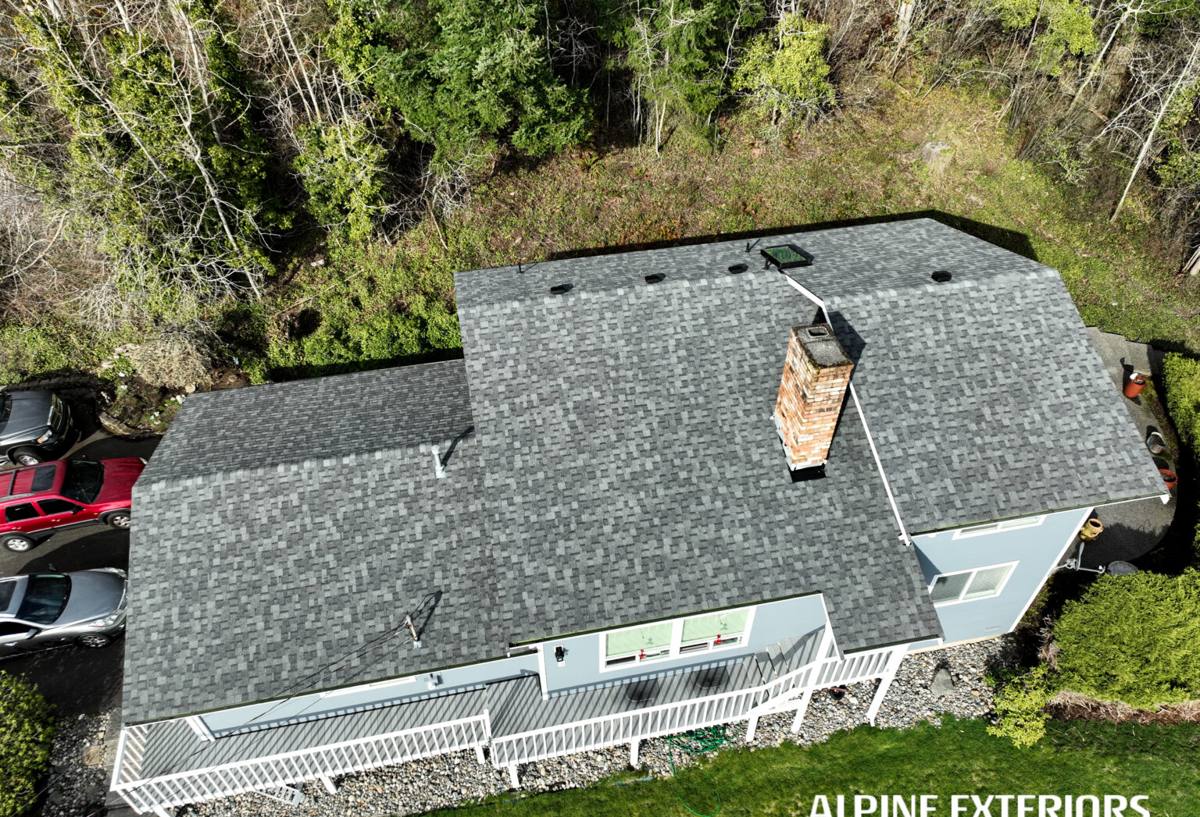
What Hillsborough County Weather Does to a Roof Over Time
Every roofing material ages differently depending on what it's exposed to. In Riverview, the stresses stack up in a specific way:
- Wind uplift. Sustained tropical-storm and hurricane-force winds don't just push on a roof — they create uplift pressure at the edges, ridges, and corners that tries to peel material away from the deck.
- UV degradation. Central Florida sun is intense and consistent almost year-round. Asphalt shingles bake, granules shed, and sealants dry out faster here than they would in a milder climate.
- Wind-driven rain. When rain comes in nearly horizontal during a storm, it doesn't just run off a roof — it gets forced up and under laps, flashing, and fastener points that weren't detailed for that kind of pressure.
- Salt air and humidity. Riverview isn't beachfront, but moist, salt-laden air still moves through the area regularly, accelerating corrosion on unprotected metal fasteners and components.
- Thermal cycling. Hot afternoons followed by sudden storm-driven temperature drops make roofing materials expand and contract repeatedly, which stresses seams and fastener holes over the years.
A roof that isn't specified and installed with these five factors in mind will show its age faster in Riverview than in most parts of the country. That's the standard we install to.
Why Metal Roofing Fits This Climate
Wind Performance
Properly installed metal roofing systems are rated to resist high wind uplift far better than most other roofing materials, largely because of how the panels are fastened and interlocked. A concealed-fastener standing seam system, for example, has no exposed screw heads for wind to work loose over time — the panels lock together mechanically along a raised seam, which spreads wind load differently than lapped shingles do.
Heat and UV Resistance
Quality metal roofing with a factory-applied finish holds its color and reflective properties far longer under constant Florida sun than asphalt does. Metal also reflects more solar radiation than it absorbs, which can measurably reduce attic heat buildup — a real comfort and cooling-cost factor in a house that sits in Hillsborough County sun most of the year.
Water Shedding in Driven Rain
Metal panels shed water quickly off a continuous surface rather than relying on dozens of overlapping small units. Combined with correctly detailed flashing at penetrations, valleys, and edges, that steep, continuous shed path is a real advantage when rain is being pushed sideways by wind instead of falling straight down.
Longevity Against Corrosion
Not all metal roofing handles Florida's humidity and salt exposure equally well — this is where material choice and fastener quality matter as much as the panel itself. We only use coatings, fasteners, and flashing metals selected for coastal-adjacent Florida conditions, not generic products that happen to be marketed as "metal roofing."
Metal Panel Options for Riverview Homes
There isn't one "correct" metal roofing system for every house — the right choice depends on your roof's pitch, your budget, and how the home is used. Here's how the common options compare for this climate:
| System | Wind Performance | Best For | Trade-Offs |
|---|---|---|---|
| Standing Seam (concealed fastener) | Excellent — no exposed screws to work loose | Homeowners wanting maximum longevity and lowest long-term maintenance | Higher upfront cost; requires skilled installation |
| Exposed-Fastener Panel | Good, if fasteners are correctly spaced and gasketed | Budget-conscious projects, outbuildings, some main roofs | Fasteners and washers age and need periodic inspection/replacement |
| Metal Shingle / Shake Panel | Good — interlocking design resists uplift | Homeowners wanting a traditional shingle or shake look with metal durability | More seams than standing seam; installation detail matters more |
We'll walk you through which system fits your roof's slope, your home's architecture, and your budget — there's no single "best" answer for every house in Riverview.
What a Correct Metal Roof Installation Actually Involves
Metal roofing is unforgiving of shortcuts. A panel system installed slightly wrong can trap moisture, allow wind-driven rain intrusion, or fail at the fasteners years before it should. A correct installation includes:
- Full inspection and repair of the roof deck before any panel goes down — metal doesn't hide a soft or damaged deck, it exposes it.
- A high-temperature-rated synthetic or self-adhered underlayment suited to Florida heat, not a generic felt that can degrade under a metal roof's surface temperatures.
- Correct fastener type, spacing, and torque for the specific wind exposure and panel profile — over-driven or under-driven fasteners are a common source of later leaks.
- Properly lapped and sealed flashing at every valley, wall intersection, pipe boot, and roof-to-wall transition — these details matter more than the panels themselves.
- Closure strips and trim at ridges and eaves to block wind-driven rain and pests without restricting the ventilation the roof needs.
- Attic ventilation assessment, since a well-installed metal roof still needs proper intake and exhaust airflow to perform as intended.
- Compatible, corrosion-resistant fasteners and flashing metals throughout — mixing incompatible metals invites galvanic corrosion in humid climates.
Skipping any one of these doesn't show up on day one. It shows up two or three storm seasons later, as a leak that's expensive to trace back to its actual cause.
Our Process for a Riverview Metal Roof
1. Inspection and Honest Estimate
We walk the roof, check the deck condition where accessible, look at your ventilation setup, and talk through which panel system actually fits your home and budget. You get a written estimate with no pressure to sign that day.
2. Tear-Off and Deck Preparation
Old roofing comes off, the deck is inspected and repaired as needed, and any soft or water-damaged sections are replaced before anything new goes down. This step is where problems get caught early instead of covered up.
3. Underlayment, Flashing, and Panel Installation
Underlayment goes down first, followed by properly detailed flashing at every transition point, then the panels themselves — installed to the fastening and spacing specs for your wind exposure and panel type.
4. Final Walkthrough and Cleanup
We do a full site cleanup, including a magnetic sweep for stray fasteners, and walk the finished roof with you so you understand what was done and what maintenance, if any, to expect going forward.
What Affects the Cost of a Metal Roof in Riverview
| Factor | Why It Matters |
|---|---|
| Roof pitch and complexity | Steeper roofs and more valleys, dormers, or hips mean more labor and flashing detail |
| Panel system chosen | Standing seam costs more upfront than exposed-fastener panels but needs less long-term maintenance |
| Existing deck condition | Rotted or damaged decking found during tear-off adds material and labor to replace it properly |
| Roof size and square footage | Larger roof area means more panels, fasteners, and underlayment |
| Ventilation upgrades | Adding or correcting ridge and soffit ventilation is sometimes needed for the roof to perform correctly |
We don't quote off a phone call or a satellite photo alone — an in-person look at your roof is how you get a number you can actually trust.
Why It Matters That We Already Work in Riverview
Hillsborough County's permitting requirements, wind-load standards, and inspection process aren't identical to every county in Florida, and a crew that pulls permits here regularly knows what the local building department expects without back-and-forth delays. We're also familiar with the HOA aesthetic guidelines that some Riverview communities apply to visible roof changes, which can affect panel color and profile choices before you're locked into a decision.
Just as important: a crew that's already worked roofs in this area has seen how materials and installation details actually hold up against Hillsborough County storms and sun — not in a lab, but on real roofs a few miles from yours.
What to Expect After Installation
A correctly installed metal roof is genuinely low-maintenance, but "low-maintenance" isn't "no-maintenance." We recommend a visual check after major storms, keeping gutters and valleys clear of debris, and an occasional look at fastener condition on exposed-fastener systems. Standing seam systems need even less attention since there are no exposed fasteners to monitor. We'll tell you plainly what your specific system needs — no scare tactics, no upsell on services you don't need.
If your Riverview home needs a roof that can actually stand up to Hillsborough County's wind, sun, and rain, we're glad to take a look and give you a straightforward, no-pressure estimate — just fill out the form below.