 Tampa Siding
 Why Riverview Homes Take a Beating on Siding
Riverview sits in the fast-growing southeastern corner of Hillsborough County, and like the rest of the Tampa Bay area, it doesn't get a break from the weather. Summer brings months of intense, direct UV exposure that bakes exterior siding day after day. Storm season brings wind-driven rain that gets forced sideways into seams, laps, and trim joints that were never designed to handle water moving horizontally instead of down. And when a hurricane or tropical system tracks through the region, sustained high winds and gusts put real mechanical stress on siding panels, fasteners, and the house wrap behind them. Add in the salt-laden air that moves inland across the greater Tampa Bay region, and you've got a combination that ages siding faster here than it would in a drier, calmer climate.
None of this means Riverview homes are unusually fragile. It means the siding on them is doing more work than siding in most parts of the country, and repairs done here need to account for that instead of treating every crack or gap as a cosmetic fix.
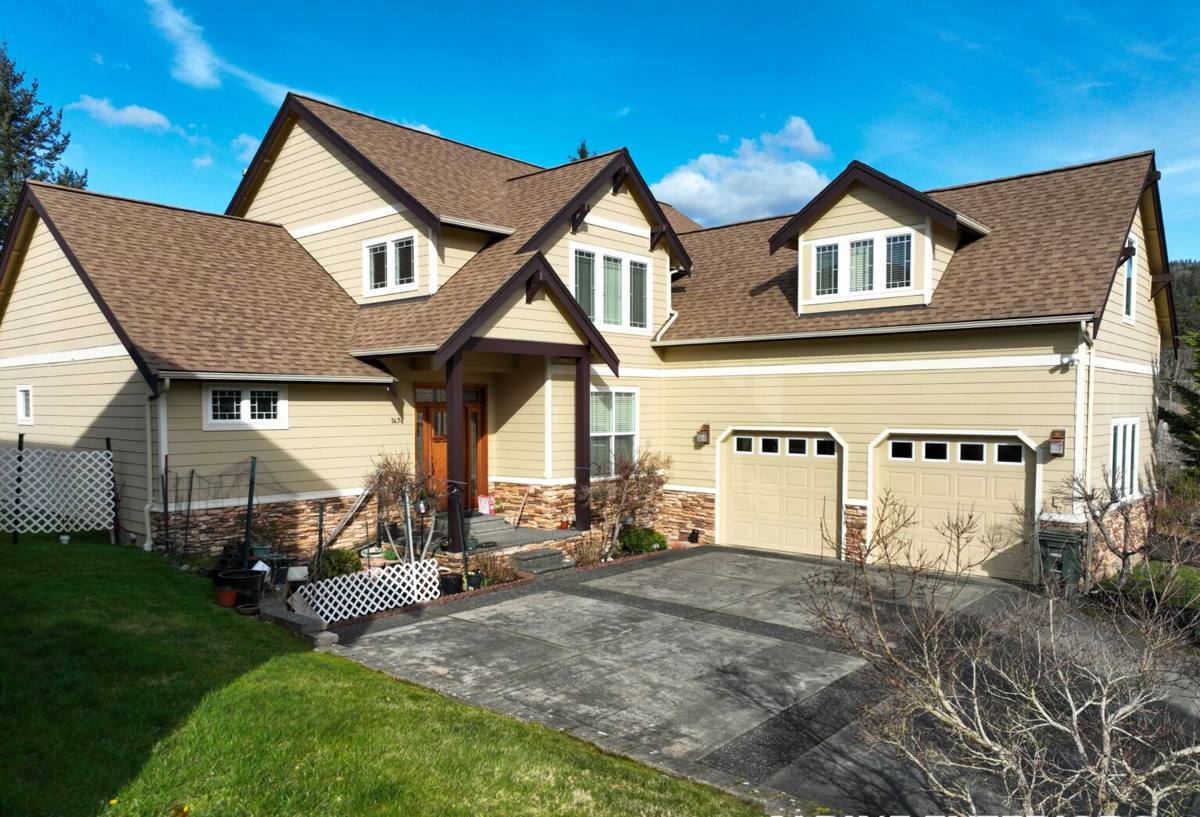
The Siding Problems We Actually See in Riverview
Sun and Heat Damage
Extended UV exposure breaks down caulking, dries out trim, and causes some siding materials to warp, bow, or become brittle at the edges. Darker colors on south- and west-facing walls tend to show this first, since they absorb more heat over the course of a Florida summer.
Wind-Driven Rain Intrusion
The bigger issue usually isn't the siding surface itself, it's what's happening behind it. Wind-driven rain finds its way into gaps at butt joints, around window and door trim, and at penetrations for hose bibs, vents, and light fixtures. Once moisture gets behind the siding and into the wall assembly, it can sit there for months before a homeowner ever sees a visible sign like a soft spot, staining, or a musty smell near an exterior wall.
Storm and Wind Damage
High wind events can crack panels, pull siding loose from fasteners, or peel it away entirely at corners and edges where wind pressure concentrates. Even when a storm doesn't cause obvious damage, it can loosen fasteners or flex panels enough to open small gaps that let water in during the next rain.
Material-Specific Wear
Older vinyl siding common in many Riverview subdivisions can fade, warp, or crack as it ages in Florida's heat. Older wood or wood-composite siding is more vulnerable to moisture-driven rot, especially at the bottom courses near grade and around window sills. Aging or improperly installed fiber cement can show cracking at butt joints or paint failure if it wasn't factory-finished.
What a Correct Siding Repair Actually Involves
A repair that only addresses what's visible from the driveway isn't really a repair, it's a patch. Done correctly, a siding repair on a Riverview home should include:
- A full inspection of the damaged area and the sections immediately around it, not just the single panel that looks bad
- Checking for moisture intrusion behind the siding, including probing for soft or spongy sheathing where damage suggests water has been present
- Inspecting the house wrap or weather-resistant barrier in the repair zone, and repairing or replacing it if it's torn or compromised
- Confirming flashing at windows, doors, and penetrations is intact and properly lapped before new siding goes back on
- Matching replacement material, profile, and reveal so the repair doesn't stand out or create a new water path
- Re-sealing and re-fastening to the same standard as new installation, not just enough to hold until the next inspection
Skipping the moisture and barrier check is the most common shortcut in siding repair, and it's the one that causes homeowners to pay for the same repair twice. If the water intrusion source isn't found and closed off, new siding over a still-compromised wall just buys a little time.
Repair vs. Replacement: How We Help You Decide
Not every siding problem calls for a full replacement, and not every problem should be treated as a quick patch. The right call depends on how much of the wall is affected, how long moisture has likely been present, and the age and condition of the siding overall.
| Factor | Repair Usually Makes Sense | Replacement Is the Smarter Call |
|---|---|---|
| Extent of damage | Isolated to one or two sections | Spread across multiple walls or elevations |
| Moisture intrusion | Caught early, sheathing still sound | Soft sheathing, rot, or mold found behind siding |
| Age of existing siding | Siding is relatively young and otherwise in good shape | Siding is near or past its expected service life |
| Material match | Matching material is available and will blend in | Discontinued product or color that can't be matched |
| Underlying cause | A single identifiable event (storm impact, one bad seal) | A systemic issue like poor original installation |
We'll tell you honestly which category your home falls into. If a repair will hold up, we won't push a full replacement. If the damage points to a bigger underlying problem, we'll explain why and what we found, so the decision is yours to make with real information.
Our Repair Process for Riverview Homeowners
1. On-Site Inspection and Diagnosis
We look at the visible damage first, then check the surrounding area, trim, flashing, and any spots where water could be entering that aren't obvious from the ground.
2. Straight Answers and a Written Scope
You get a clear explanation of what we found, what caused it, and what fixing it correctly will involve, along with a written scope so there's no ambiguity about what's included.
3. The Repair Itself
Damaged material comes off, the wall assembly underneath gets inspected and repaired as needed, and new siding goes back matched to your home's existing material, profile, and color as closely as possible.
4. Final Check and Cleanup
We walk the repair with you before we consider the job finished, and we clean up the work area completely.
Why We Repair With James Hardie
When a repair calls for new siding material, whether it's a full section replacement or transitioning a damaged area to something more durable, we use James Hardie fiber cement. It's the only siding product we install, full stop. We don't carry vinyl, LP SmartSide, Cemplank, Allura, or primed wood on our trucks.
That standard matters most in repair work, where matching is everything. Hardie's ColorPlus factory-finished panels give us consistent, fade-resistant color options that hold up under Florida's UV exposure far longer than field-applied paint, which makes blending a repaired section into existing siding more realistic over time. Hardie is also non-combustible and engineered for humid, storm-prone climates through its HZ product lines, which is exactly the kind of performance a Hillsborough County home needs. When a repair area is significant enough that we're replacing more than a patch's worth of material, we'll always recommend Hardie for that section rather than reaching for whatever happens to match least imperfectly.
Why It Matters to Hire a Crew That Already Works in Riverview
Siding repair isn't a one-size-fits-all trade. A crew that regularly works in Riverview and the surrounding Hillsborough County communities knows what local permitting requires, understands how the area's mix of subdivision ages and siding materials tends to fail, and has already seen how wind-driven rain and UV exposure specific to this part of Florida play out on real homes. That local experience shows up in faster, more accurate diagnosis, and in a repair that's built to hold up against the same conditions that caused the original damage, not just against a generic weather standard.
It also means someone who's easy to reach if a question comes up after the repair is done, rather than a crew that did one job in the area and moved on.
Signs It's Time to Call for a Siding Repair Inspection
- Visible cracks, splits, or warping in one or more siding panels
- Siding that feels soft, spongy, or gives slightly when pressed
- Peeling or bubbling paint, especially in a localized area
- Staining or discoloration streaking down from a seam or trim joint
- A musty smell near an exterior wall, inside or outside the home
- Gaps opening up at butt joints, corners, or around window and door trim
- Siding that came loose, cracked, or was visibly damaged during a storm
- Visible daylight or drafts around exterior wall penetrations
If you're noticing any of these on your Riverview home, it's worth having it looked at before the next round of Florida rain finds its way in further. We offer free, no-pressure estimates, use the form below to tell us what you're seeing and we'll take it from there.