 Tampa Siding
 Roof Repair for Wesley Chapel Homes
Wesley Chapel has grown fast over the last two decades, and a lot of that growth means roofs that are now old enough to start showing real wear — while newer builds are already dealing with their first storm seasons. Whether your home is five years old or twenty-five, the roof over it is doing the same job every day: shedding intense Florida sun, shrugging off wind-driven rain, and holding together through whatever tropical system rolls through the Tampa Bay area each year. Roof repair here isn't a cosmetic fix. Done right, it's what keeps water out of your attic, your insulation dry, and your ceilings free of stains and soft spots.
We work on roofs throughout the greater Tampa area, and Wesley Chapel's mix of housing stock — plenty of it built during the 2000s and 2010s boom, alongside newer subdivisions — means we see a predictable set of issues over and over. Knowing what those issues actually look like, and what a correct repair involves, helps you make a smart decision instead of a rushed one.
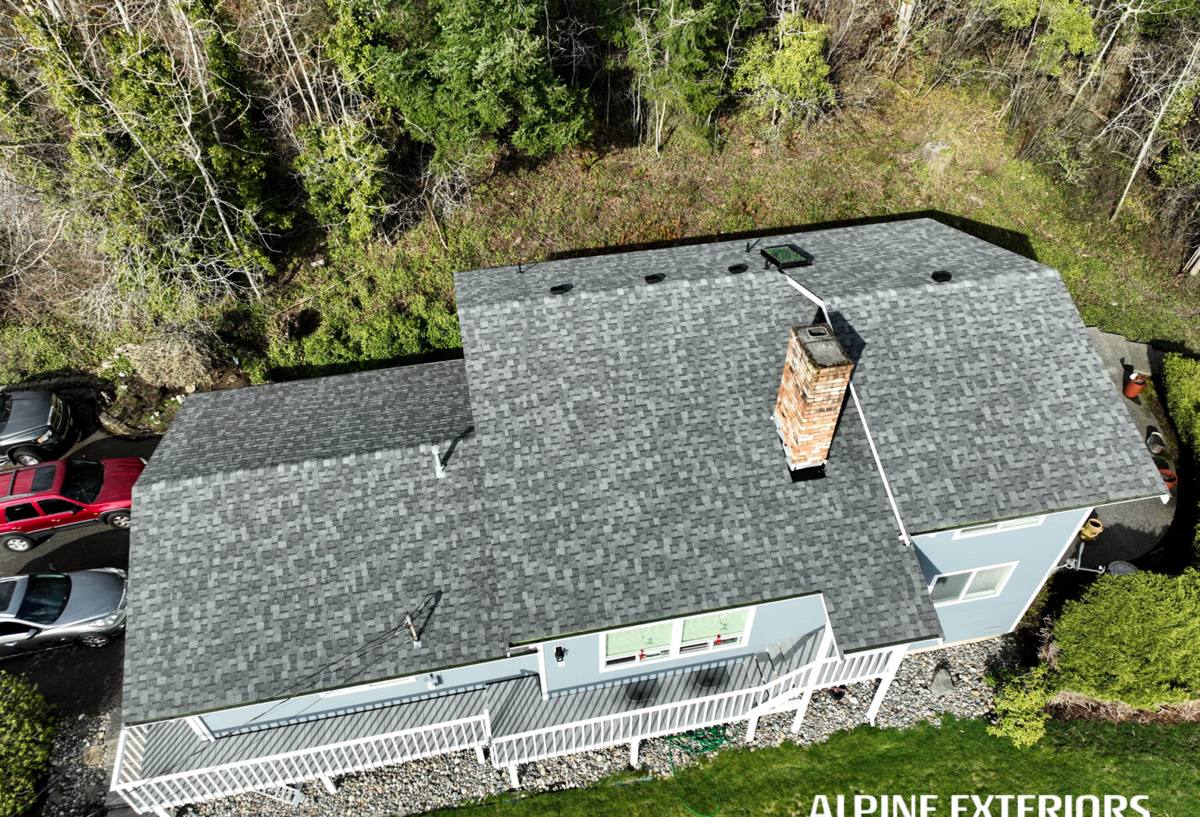
Why This Climate Is Hard on Roofs
Central Florida roofs age differently than roofs in milder climates, and it's worth understanding why before you decide what kind of repair you need.
UV and Heat
Shingles and roofing sealants sit under direct, intense sun for most of the year. UV exposure dries out asphalt shingles over time, making them brittle, and it breaks down sealants and caulking faster than most homeowners expect. A roof that would last thirty years in a cooler climate often shows granule loss and cracking well before that mark here.
Wind and Storms
Hurricane-force wind events and the seasonal thunderstorms that roll through Tampa Bay put lateral and uplift stress on shingles, ridge caps, and flashing. Wind doesn't have to be a named storm to do damage — a strong summer squall can lift a shingle edge or work a fastener loose, and that small opening is exactly where water gets in.
Wind-Driven Rain
Florida rain rarely falls straight down. When it comes in sideways during a storm, it finds every gap in flashing, every lifted shingle tab, and every degraded seal around a pipe boot or skylight. This is why leaks often show up at valleys, chimneys, and roof penetrations rather than in the open field of the roof.
Salt Air
Wesley Chapel sits inland compared to the coast, but Tampa Bay's salt-laden air still travels with the prevailing winds and can accelerate corrosion on exposed metal flashing, fasteners, and vent stacks over time, especially on the windward side of a roof.
Common Roof Repairs We Handle in Wesley Chapel
- Wind-lifted or missing shingles — usually along ridgelines, roof edges, and corners where uplift forces are strongest.
- Flashing leaks — at chimneys, skylights, wall-to-roof intersections, and anywhere two roof planes meet.
- Valley leaks — valleys carry a huge volume of water during heavy rain, and worn or improperly lapped valley material is one of the most common leak points we find.
- Pipe boot and vent failures — the rubber collar around plumbing vents dries out and cracks from UV exposure faster than the shingles around it.
- Nail pops and fastener backout — thermal cycling between hot days and cooler nights works fasteners loose over years.
- Soffit and fascia damage — wind-driven rain that gets past the roof edge often shows up first as staining or soft wood at the eaves.
- Cracked or lifted ridge caps — the ridge takes the brunt of wind uplift and is one of the first places to fail.
What a Correct Roof Repair Actually Involves
Real Diagnosis First
A leak inside your home doesn't always show up directly below the point where water is entering the roof. Water can travel along rafters, decking, or underlayment before it drips through drywall. A correct repair starts with tracing the leak to its actual source — on the roof and, when needed, in the attic — rather than patching the spot that's easiest to reach.
Matching the Existing System
Roofing is a system, not a collection of parts. A repair that uses the wrong flashing profile, incompatible sealant, or shingles that don't match the existing exposure and nailing pattern can create a new leak path even while it looks fine from the ground. We match materials to what's already on your roof, including shingle type, color run when possible, and underlayment.
Fixing the Cause, Not Just the Symptom
If a valley is leaking because the metal or membrane underneath it has degraded, replacing a few shingles on top won't solve anything. A proper repair addresses what's actually failed — decking, underlayment, flashing, or shingles — instead of covering a bigger problem with a cosmetic patch.
Sealing for the Next Storm, Not Just Today's Weather
Given how much wind and rain this area sees, we install repairs the way we'd want them to hold up in the next storm, not just the next dry afternoon. That means proper fastener patterns, correctly lapped flashing, and sealants rated for sustained sun and moisture exposure.
Roof Repair vs. Roof Replacement: How We Decide
Not every roof problem needs a full replacement, and not every leak can be permanently solved with a patch. Here's the general framework we use when we're standing on your roof.
| Signal | Usually Points to Repair | Usually Points to Replacement |
|---|---|---|
| Age of roof | Under roughly 15 years, or well-maintained | Nearing or past the shingle's expected service life |
| Extent of damage | Isolated to one section, valley, or penetration | Widespread granule loss, curling, or multiple failure points |
| Decking condition | Solid, no soft spots | Soft, spongy, or visibly rotted decking |
| Leak history | First occurrence or single known cause | Recurring leaks in different spots over time |
| Storm damage | Localized wind or debris damage | Widespread wind, hail, or impact damage across the roof |
We'll always tell you honestly which category your roof falls into. If a repair is the right call, that's what we'll recommend and price — we don't push replacements on roofs that don't need them.
Materials and Methods We Use
Shingle Matching
When shingles need replacing, we match the existing profile, style, and color as closely as possible. Exact color matches aren't always possible on older roofs due to sun fading and discontinued dye lots, and we'll be upfront with you about that before starting work rather than let you be surprised afterward.
Flashing and Underlayment
Metal flashing at valleys, chimneys, and wall intersections is rebuilt to proper lap and fastening standards, not just re-caulked over failed material. Where underlayment is compromised, we replace it rather than shingling over a wet or degraded layer.
Self-Adhering Membrane at Vulnerable Areas
At valleys, eaves, and other high-water areas, self-adhering flashing membrane provides a second line of defense against the kind of wind-driven rain this region sees regularly, backing up the shingles and standard underlayment.
Sealants
We use sealants rated for sustained UV and weather exposure rather than general-purpose caulk, since standard caulk breaks down quickly under Florida sun and becomes a repeat callback rather than a lasting fix.
Our Repair Process
1. Inspection and Honest Estimate
We walk the roof (and the attic, when accessible) to find the actual source of the problem, not just the visible symptom. You get a clear explanation of what we found and what it will take to fix it, in plain language.
2. The Repair
We remove and replace only what's actually failed, tie new material properly into the existing roof system, and follow manufacturer installation standards so the repair doesn't void any remaining warranty coverage on the roof.
3. Cleanup and Walkthrough
We clear debris, old material, and stray fasteners from your yard and gutters, then walk you through what was done before we consider the job finished.
What Affects Roof Repair Cost
Every roof and every leak is different, so we don't quote sight-unseen — but these are the main factors that drive cost up or down on most repair jobs.
| Factor | Why It Matters |
|---|---|
| Size of the damaged area | A single missing shingle costs far less to fix than a full valley or section of decking |
| Roof pitch and accessibility | Steep or hard-to-access roofs take longer and require more safety setup |
| Decking condition | Rotted or soft decking underneath adds material and labor beyond the surface repair |
| Material match availability | Discontinued shingle lines can require sourcing or a wider replacement area |
| Number of penetrations involved | Chimneys, skylights, and vents each add flashing work beyond field shingles |
As a rough guide, small, isolated repairs — a section of shingles, a pipe boot, a short run of flashing — often land in the low hundreds to around a thousand dollars. Larger repairs involving valleys, extensive flashing rebuilds, or decking replacement can run higher. We'll give you a firm, itemized number after we've actually looked at the damage.
Why Local Experience in Wesley Chapel Matters
A roofer who works the greater Tampa area regularly knows which shingle lines and flashing details actually hold up to this climate versus which ones look fine on paper. We know that a valley leak in a Wesley Chapel neighborhood after a summer storm is usually about lapped flashing, not a mystery. We know which roof styles common to this area's newer construction need extra attention at hip and ridge lines in high wind. That local pattern recognition means faster, more accurate diagnosis and fewer repeat visits.
It also means accountability. We're not a storm-chasing crew that shows up after a hurricane and disappears once the check clears. We work this region as our ongoing business, which is exactly the kind of contractor you want standing behind a roof repair a year or two down the road.
Signs You Shouldn't Ignore
- Water stains on ceilings or upper walls, even faint or dried ones
- Missing, curled, or cracked shingles visible from the ground
- Granules collecting in gutters or at downspout discharge points
- Daylight visible through the roof deck from inside the attic
- Musty odor or visible mold/mildew in the attic space
- Sagging areas anywhere on the roof plane
- Damaged or lifted flashing around chimneys, skylights, or vents after a storm
Catching these early is almost always cheaper and simpler than waiting until they turn into an interior repair on top of a roof repair.
If you're seeing any of these signs on your Wesley Chapel home, or just want a second opinion after a storm, we're glad to come take an honest look. There's a free, no-pressure estimate form below — reach out and we'll walk you through exactly what your roof needs and what it will take to fix it right.