 Tampa Siding
 Seminole Heights Roofs Work Harder Than Most
Seminole Heights is one of Tampa's older, established neighborhoods, and that shows up on the roofline. A lot of the housing stock here is bungalow and craftsman-style construction from the early-to-mid 1900s, mixed in with decades of additions, re-roofs, and renovations layered on top. Add in a heavy tree canopy in many pockets of the neighborhood, and you've got roofs that deal with more shade, more debris, and more moisture retention than a roof out in open new construction would. That combination of age, tree cover, and Tampa's climate is exactly why a generic, one-size-fits-all roof replacement approach doesn't serve this neighborhood well.
Hillsborough County roofs are under year-round pressure from hurricane-force wind events, intense UV exposure nearly every day of the year, wind-driven rain that gets pushed sideways into fascia, soffits, and vents, and a steady dose of salt air carried in off Tampa Bay. None of these forces are occasional here — they're constant, and a roof replacement in Seminole Heights has to be built to take all of them at once, not just the one that happens to be top of mind at the time.
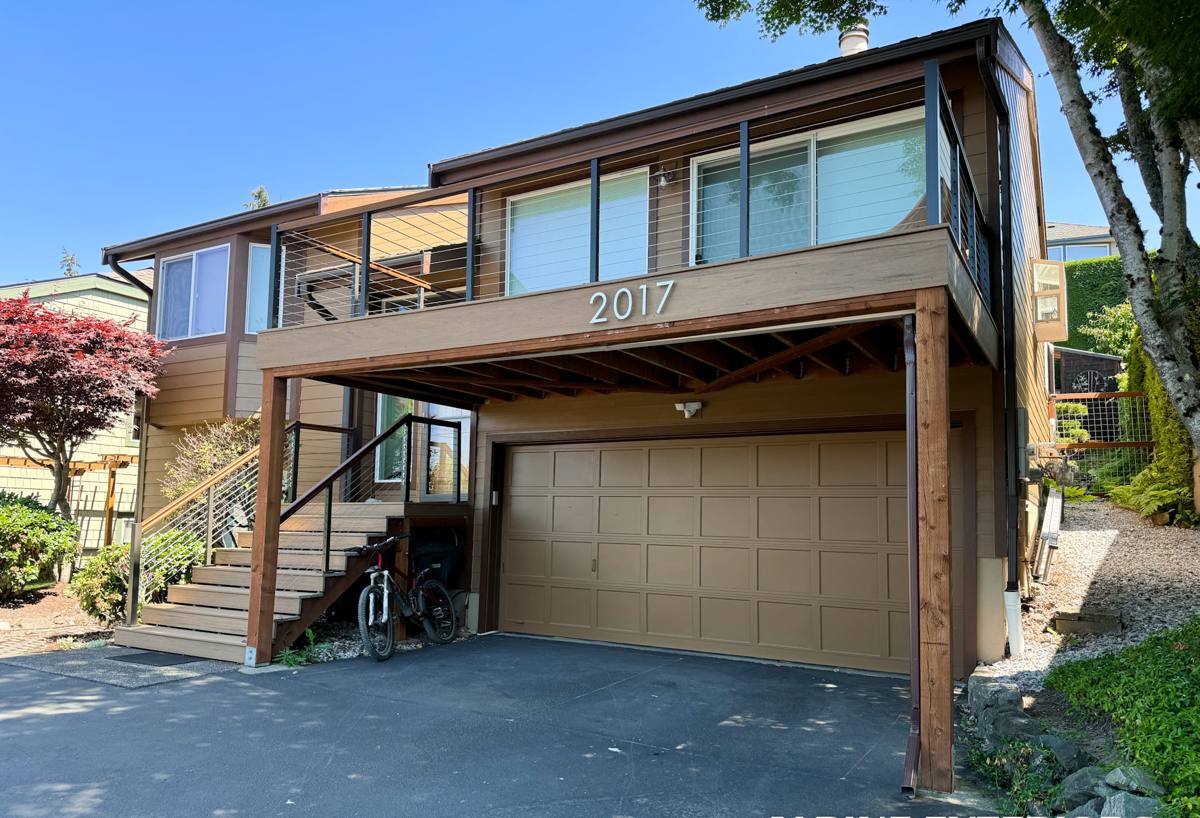
Signs a Seminole Heights Roof Needs Replacing, Not Patching
Homeowners often ask us to look at a leak or a missing shingle and end up learning the roof is past the point where a repair makes sense. A few signals we look for on older Seminole Heights homes specifically:
- Granule loss showing up in gutters or at downspout splash points — a sign UV has broken down the shingle's protective coating
- Curling, cupping, or cracked shingles, especially on south- and west-facing slopes that take the hardest afternoon sun
- Soft or spongy decking felt when walking the roof, often from long-term moisture intrusion under tree cover
- Rust streaking or corrosion around older metal flashing, vent boots, and valleys, accelerated by salt air
- Multiple past repairs concentrated in the same area, which usually means the underlying decking or underlayment has failed
- A roof nearing or past its rated lifespan with no documented wind mitigation upgrades on file
Any one of these on its own might still be repairable. Several together, especially on a roof that's already 18-20+ years old, is usually the point where continued patching starts costing more than a full replacement spread out over time.
What a Correct Roof Replacement Actually Involves
A roof replacement is more than swapping old shingles for new ones. In a coastal-adjacent, hurricane-exposed county like Hillsborough, the details underneath the surface layer are what actually determine whether the roof performs in the next big storm.
Tear-Off and Deck Inspection
We remove the existing roofing material down to the deck. This is the only point in the process where rotted or delaminated decking can actually be seen and replaced — skipping this step, or only doing a partial tear-off, is how new shingles end up nailed over a compromised substrate.
Underlayment and Water Barrier
Given how much wind-driven rain Tampa Bay storms push sideways under shingles and around penetrations, we pay close attention to self-adhered underlayment at eaves, valleys, and around every roof penetration — not just a basic felt layer across the field.
Flashing, Vents, and Penetrations
Chimneys, plumbing stacks, skylights, and any older attic vents get new flashing rather than reused flashing. Salt air corrodes metal faster here than it does inland, and old flashing is one of the most common hidden leak sources on Seminole Heights re-roofs.
Wind-Rated Fastening
Nailing pattern and fastener count matter for wind uplift resistance, and Hillsborough County's building code reflects that. We follow the fastening schedule required for the wind zone and roof geometry, not just manufacturer minimums.
Ventilation
Older Seminole Heights homes sometimes have inadequate or outdated attic ventilation. Proper intake and exhaust balance reduces heat buildup under Florida's relentless sun and helps the new roofing material reach its full service life instead of prematurely aging from the underside.
Material Options for This Climate
| Material | Typical Lifespan | Wind/Storm Performance | Considerations for Seminole Heights |
|---|---|---|---|
| Architectural asphalt shingle | 20-30 years | Good, when rated and installed for local wind zone | Most common choice; wide style range fits older home aesthetics; regular maintenance needed under tree canopy |
| Standing seam metal | 40-50+ years | Excellent uplift and wind resistance | Higher upfront cost; sheds debris and UV well; good long-term option for homeowners staying long-term |
| Metal shingle/shake profile | 40-50 years | Excellent | Can mimic traditional shingle or shake look, which often suits historic-style homes |
| Tile (concrete or clay) | 40-50+ years | Very good when properly fastened | Heavier — requires structural check on older framing; less common on original bungalow-era homes |
We don't push one material as the "only" answer. The right call depends on the home's structure, the homeowner's budget and timeline, and how long they plan to stay in the house. What we won't do is install a system without matching the underlayment, flashing, and fastening detail to whatever surface material goes on top — that mismatch is where most premature roof failures actually start.
How Our Process Works
- Inspection and estimate. We walk the roof, check the attic where accessible, and document actual condition rather than guessing from the ground.
- Written scope and options. You get a clear breakdown of material choices, what's included, and an honest price range — no vague allowances that turn into surprise change orders.
- Permitting. We pull the required Hillsborough County/City of Tampa roofing permit and schedule inspections as required. This isn't optional paperwork — it's what protects you if there's ever an insurance question down the road.
- Tear-off and deck repair. Full removal of old material, deck inspection, and replacement of any damaged sheathing before anything new goes down.
- Underlayment, flashing, and installation. Installed to the wind-rated fastening schedule for the property's exposure category.
- Final walkthrough and cleanup. Magnetic sweep for debris/nails, site cleanup, and a walkthrough so you know exactly what was done.
Permits, Wind Mitigation, and Insurance
A permitted, code-compliant roof replacement in Hillsborough County isn't just a legal requirement — it directly affects your homeowner's insurance. Florida insurers use wind mitigation inspections to set premiums, and a new roof installed to current wind-rated fastening and secondary water barrier standards can qualify for meaningful mitigation credits. We provide the documentation homeowners need to give their insurance agent after the job is complete, including the permit record and, where applicable, a wind mitigation inspection report. Skipping permits to save time is one of the more common corners cut in this trade, and it's one that can cost a homeowner far more than it saves if there's ever a claim.
Why Local Experience in Seminole Heights Matters
A roofing crew that regularly works Seminole Heights knows the practical realities of the neighborhood: narrower lots and tree-lined streets that affect how a dumpster, material delivery, and tear-off staging get set up; older framing that sometimes needs extra attention during deck replacement; and the mix of architectural styles where matching a new roofline to the existing home's character actually matters to the homeowner. That local familiarity shows up in fewer surprises during the job and a crew that isn't learning the neighborhood's quirks on your dime.
It also matters for something less visible: knowing which inspectors, permitting timelines, and code interpretations apply specifically to Tampa and Hillsborough County, versus assuming rules from a different jurisdiction apply. A crew that works this area consistently doesn't have to guess.
Questions to Ask Before You Hire
- Are you licensed to do roofing work in Florida, and can you provide that license number?
- Will you pull the permit yourself, or is that left to the homeowner?
- What underlayment and flashing details are included, not just the shingle or metal brand?
- What's the manufacturer's wind rating for the specific product and fastening pattern you're proposing?
- Do you provide documentation for wind mitigation insurance credits after the job?
- What does the workmanship warranty cover, separate from the manufacturer's material warranty?
A contractor who answers these clearly and specifically, without vague reassurances, is usually one worth trusting with the job.
What It Costs
Roof replacement pricing varies with roof size, pitch, tear-off complexity (single vs. multiple layers), decking condition, and material choice. Asphalt shingle replacements on a typical Seminole Heights home generally fall in a broad mid-range compared to metal or tile, which run higher upfront but stretch the replacement cycle out much further. Rather than quote a number that doesn't reflect your actual roof, we'd rather walk it and give you a real figure based on what's there.
If your roof is showing its age, took storm damage, or you're just trying to plan ahead before the next hurricane season, we're happy to come out, take an honest look, and put together a clear, no-pressure estimate. Use the form below to get started.