 Tampa Siding
 Deck Repair Built for Seminole Heights Conditions
Seminole Heights is one of Tampa's older, more established neighborhoods, which means a lot of the decks here have been standing through more than a few hurricane seasons. Some were built well and just need attention after years of Florida weather. Others were built to a lower standard, or repaired with the wrong materials at some point, and are now due for real structural work rather than another patch. Either way, a deck in this part of Hillsborough County takes a beating that a deck in a drier, cooler climate never sees, and repairing it correctly means understanding exactly how that beating happens.
We work on decks throughout Seminole Heights and the surrounding Tampa area, and the pattern is consistent: the failures we get called out for almost always trace back to moisture, sun, salt-laden air, or wind — usually some combination of all four. A repair that doesn't account for that combination is a repair that fails again within a year or two.
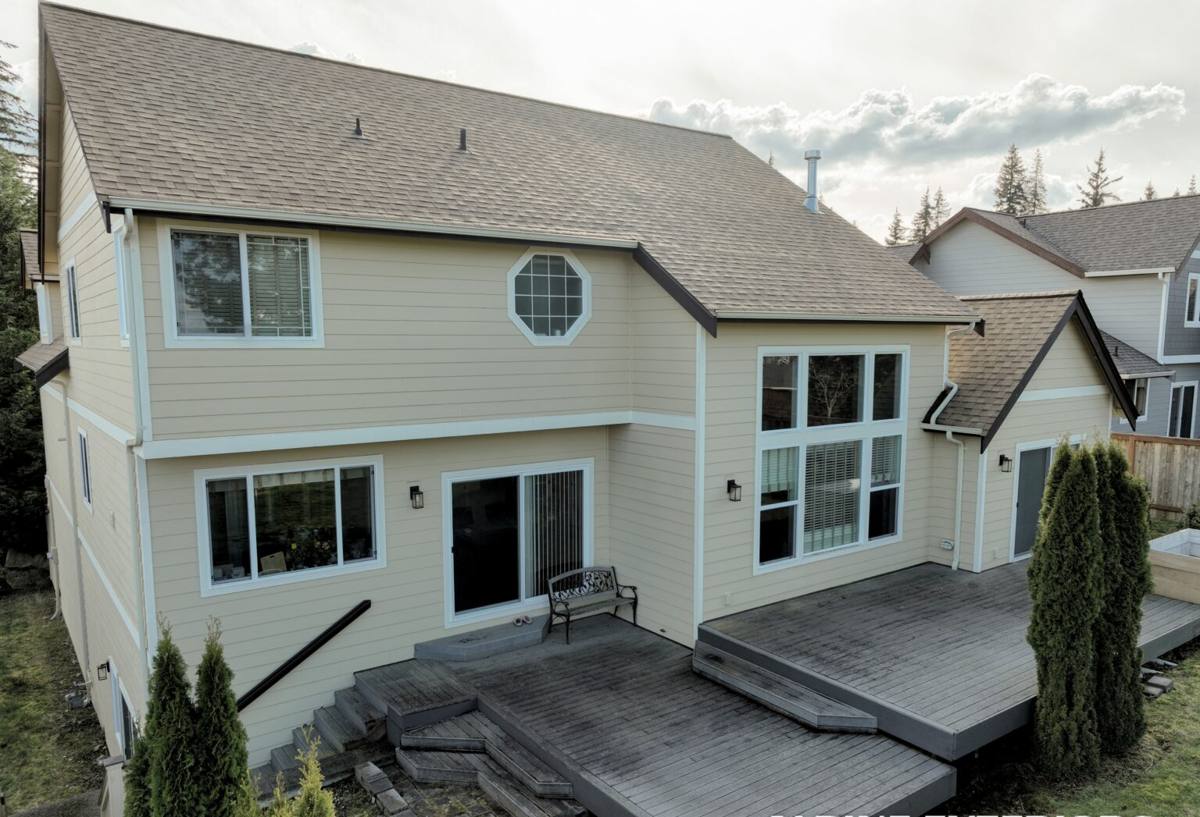
What Tampa's Climate Does to a Deck
Wind-Driven Rain
Tampa doesn't just get rain, it gets rain pushed sideways by wind, which drives water into joints, fastener holes, and any gap where two boards meet. On a deck, that means water gets up under railings, into ledger board connections, and into the end grain of boards — the single most absorbent part of any piece of lumber. Once water sits in those spots instead of running off, rot and fastener corrosion start, often in places you can't see from the surface.
Intense, Year-Round UV
Florida sun is strong for most of the year, not just in summer. UV breaks down the lignin in wood fibers, which is why an untreated or unsealed deck surface goes gray and starts to splinter faster here than it would further north. UV also degrades sealants, stains, and the plasticizers in some composite and PVC products over time, which is why product choice and finish matter more here than in milder climates.
Salt Air
Seminole Heights sits inland from Tampa Bay, but this is still a coastal metro area, and salt-laden air moves with the wind well beyond the immediate waterfront. Salt accelerates corrosion on any exposed metal — nails, screws, joist hangers, bolts — and corroded fasteners are one of the top reasons a deck that looks fine on the surface is actually unsafe underneath.
Hurricane-Force Wind
Hillsborough County sees tropical systems on a regular basis, and even storms that don't make a direct hit bring sustained wind loads that stress every connection on a deck: the ledger board attachment to the house, the post-to-beam connections, and the railing posts. Wind doesn't just push — it also pulls, and a deck built or repaired without proper uplift hardware can develop movement that's hard to notice until it's already a safety issue.
Common Problems We Find on Seminole Heights Decks
- Ledger board rot — the board that attaches the deck to the house is constantly exposed to water runoff and is one of the most common failure points we find.
- Post base rot — wood posts set in or near soil, or sitting in standing water after storms, rot from the bottom up.
- Corroded fasteners and hardware — nails, screws, and joist hangers that weren't rated for coastal exposure, showing rust streaks or losing their grip.
- Soft or spongy decking boards — usually a sign that moisture has been trapped under a sealed or painted surface for a while.
- Loose or wobbly railings — often a post attachment issue, and a safety concern more than a cosmetic one.
- Cupped, cracked, or splintering boards — UV and moisture cycling working against each other on the same board.
- Stair stringer wear — stairs take more direct foot traffic and weather exposure than the deck surface itself.
Repair or Replace? How We Make the Call
Not every issue means a full rebuild, and we don't push replacement when a targeted repair will genuinely hold up. The decision usually comes down to how much of the structure is affected versus the surface.
| Factor | Points Toward Repair | Points Toward Replacement |
|---|---|---|
| Structural framing (joists, beams, posts) | Sound, no soft spots when probed | Soft, rotted, or previously water-damaged |
| Ledger board condition | Solid attachment, no water staining | Rot or corrosion at the house connection |
| Age of structure | Under 15 years, built to a reasonable standard | Older than 20 years or unknown build quality |
| Extent of damage | Isolated to a few boards or one section | Spread across multiple areas of the deck |
| Prior repair history | Well-maintained, minor issues only | Pattern of recurring problems in the same spots |
When the framing and connections are sound, we can often replace individual boards, refasten hardware, or rebuild a section like a stair run or railing without touching the rest of the deck. When the damage is in the structural bones, a full or near-full rebuild is the honest recommendation, and we'll explain exactly why before any work starts.
How Our Repair Process Works
1. On-Site Inspection
We start by physically testing the deck, not just looking at it. That means probing wood at ledger boards, posts, and joists for softness, checking fastener condition, and looking at how water has been draining (or not draining) around the structure.
2. Honest Scope and Estimate
We tell you what's actually wrong, what it will take to fix it correctly, and what your options are if there's more than one reasonable approach. No inflating the scope, and no glossing over a structural issue to keep the price low.
3. Removing Compromised Material
Rotted or damaged boards, hardware, and framing members get removed down to sound material. Patching over a soft spot instead of cutting it out is exactly the kind of shortcut that leads to the same failure a year later.
4. Rebuilding Connections to Hold Up to Wind
Ledger boards, post bases, and railing connections get rebuilt using fasteners and hardware rated for coastal, high-wind exposure — not standard interior-grade hardware that will corrode again in a few seasons.
5. Sealing and Finishing
Exposed end grain, fastener heads, and board joints get properly sealed against wind-driven rain. If the deck is wood, this is also where UV-protective finish gets applied so the surface holds up to sun exposure rather than graying and splintering within a year.
6. Final Walkthrough
We walk the finished repair with you, point out anything you should keep an eye on going forward, and answer questions about maintenance.
Choosing Materials for the Repair
What we use to repair a deck matters as much as the workmanship. In a climate like Tampa's, some materials simply age better than others.
| Material | How It Handles Tampa's Climate | Maintenance |
|---|---|---|
| Pressure-treated wood | Resists rot when properly sealed; needs re-sealing to fight UV and moisture cycling | Re-seal or re-stain every 1-3 years |
| Composite decking | Doesn't rot or splinter; some early-generation products faded or warped in intense sun, so product selection matters | Periodic cleaning, no sealing required |
| Stainless or coated coastal-rated fasteners | Resists salt-air corrosion far longer than standard hardware | Minimal; inspect periodically |
| Standard interior-grade hardware | Corrodes noticeably faster in coastal humidity and salt air | We avoid using this on exterior decks for that reason |
We're upfront when a cheaper material or fastener isn't going to hold up here — not because the product is bad everywhere, but because Tampa's combination of sun, humidity, and salt air is a harder environment than most decking hardware is designed around. Matching the material to the exposure is a big part of getting a repair that actually lasts.
Permits and Hillsborough County Requirements
Structural deck repair work — replacing framing, ledger boards, or footings — typically requires a permit in Hillsborough County, and inspections are part of that process. Purely cosmetic work, like replacing worn decking boards without touching the structure underneath, generally does not. We handle the permitting conversation as part of the estimate so you know upfront whether your repair needs to go through that process, and we build to the wind and connection requirements that apply in this area rather than cutting corners to skip an inspection.
Maintenance That Extends the Life of a Repair
A correctly done repair still needs some upkeep to get its full lifespan out of Tampa's climate. A few habits go a long way:
- Rinse off pollen, salt residue, and debris every few months, especially after storms.
- Keep gutters and downspouts near the deck clear so runoff isn't dumping directly onto framing or posts.
- Reapply sealant or stain on wood decking on the schedule your product calls for — don't wait until it visibly fails.
- Check railings and stair connections for looseness a couple of times a year, particularly after a named storm passes through.
- Trim back vegetation that's shading the deck and keeping it damp longer than it should be.
- Address soft boards or rust streaks on hardware as soon as you notice them rather than waiting for the next inspection.
Why a Crew That Works Seminole Heights Regularly Matters
A deck repair company that works this neighborhood on an ongoing basis has already seen how the local mix of tree cover, older housing stock, and storm exposure plays out on real decks nearby — not just in a training manual. That translates into knowing which connection points tend to fail first on homes of this age, what Hillsborough County inspectors actually look for, and how to sequence a repair so it holds up through the next storm season rather than just looking good for a photo. It also means someone who's local, reachable, and accountable if a question comes up after the work is done — not a crew that drove in from out of the area and is hard to reach once the invoice is paid.
If you've got a deck in Seminole Heights that's showing rot, soft spots, loose railings, or storm damage, we're glad to take a look and give you a straight answer on what it needs. Reach out for a free, no-pressure estimate using the form below.