 Tampa Siding
 Why Seminole Heights Roofs Take a Different Kind of Beating
Seminole Heights is one of Tampa's older, established neighborhoods, and that history shows up on its roofs. A lot of the housing stock here is bungalow and Craftsman-style construction, some of it original or close to it, with roof decking and framing that was never designed around today's wind and rain expectations. Layer on Hillsborough County's climate — long stretches of intense UV exposure, tropical downpours that come in sideways during a squall, and the periodic threat of hurricane-force gusts off Tampa Bay — and you've got a roofing environment that punishes anything installed carelessly or made from the wrong materials.
Salt-laden air carried inland from the bay adds another layer of stress that inland Florida homes don't deal with. It accelerates corrosion on fasteners, flashing, and any metal component that isn't properly coated or rated for coastal-adjacent exposure. And if your street is one of the many in Seminole Heights lined with mature oak canopy, you're also dealing with debris impact, shade-driven moisture retention on the roof surface, and gutters that clog faster than they would on an open lot. None of this is unique to metal roofing specifically — it's just the baseline reality any roof in this part of Tampa has to survive, and it's the backdrop against which a metal roof either earns its keep or falls short.
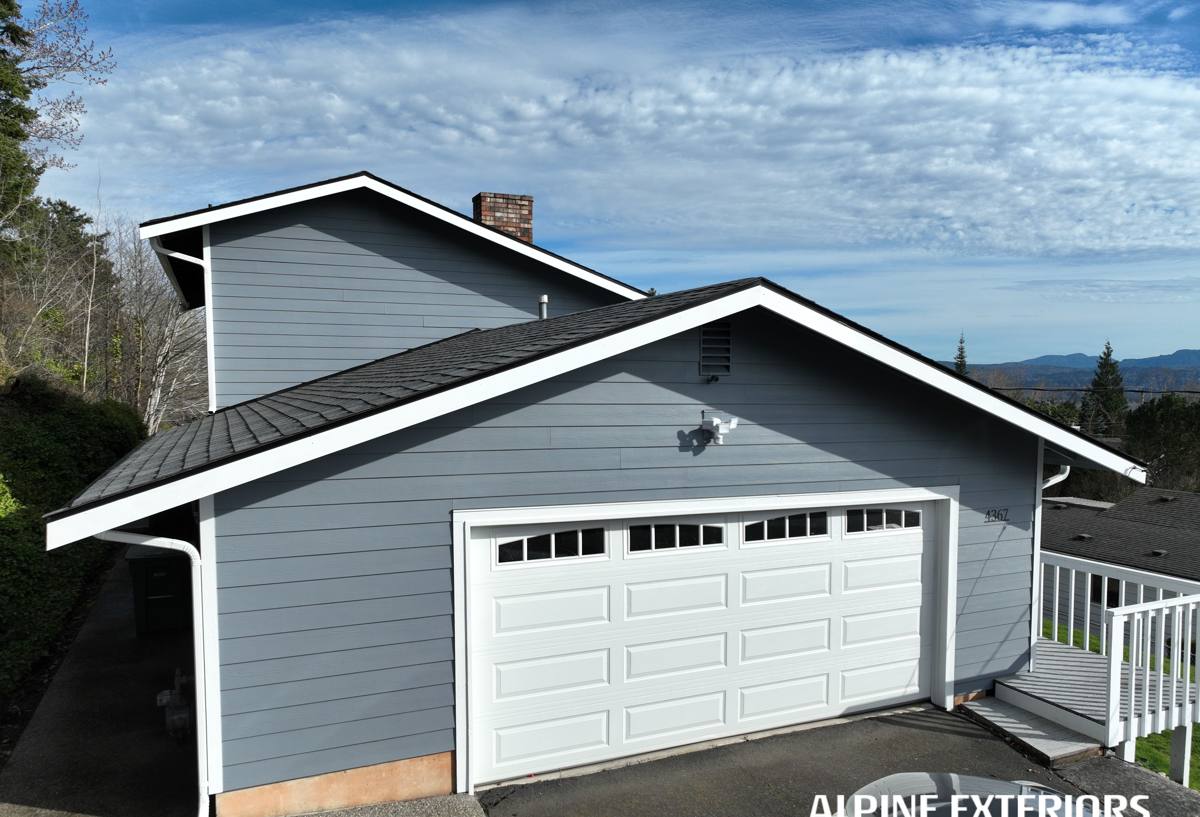
Metal Roofing Options That Make Sense for This Neighborhood
Not all metal roofing is the same product wearing different colors. The panel type you choose affects wind performance, maintenance, appearance, and how well the roof fits a neighborhood full of older, architecturally distinct homes.
| Panel Type | Wind & Water Performance | Look on Older Homes | Maintenance |
|---|---|---|---|
| Standing seam (concealed fastener) | Best-in-class; seams interlock, no exposed screws to back out or leak | Clean, modern lines; works on bungalows when detailed well | Very low |
| Metal shingle / shake profile | Strong wind ratings; individual pieces limit spread of damage | Closely mimics traditional shingle or shake look | Low |
| Corrugated / exposed-fastener panel | Good, but fastener washers age and need periodic checking | More utilitarian; better suited to garages, additions, sheds | Moderate — fasteners need inspection over time |
For a primary residence in Seminole Heights, we most often steer homeowners toward standing seam or a metal shingle profile. Both handle wind-driven rain and gusty uplift better than exposed-fastener panels, and both can be detailed to complement — rather than fight — the character of an older home.
What a Correct Metal Roof Installation Actually Involves
Metal roofing fails prematurely almost exclusively because of installation shortcuts, not because the material itself wore out. A correct job has several layers working together, and skipping any one of them is where leaks and blow-offs start.
Deck Inspection and Repair
Before anything goes down, the existing roof deck gets inspected for rot, delamination, or fastener pull-through — common on older Seminole Heights homes where the original sheathing may have seen decades of Florida humidity. Soft or damaged decking gets replaced, not covered over.
Underlayment and Water Barrier
Metal panels are not the only thing keeping water out. A high-temperature synthetic or self-adhered underlayment goes down first, and in vulnerable areas — valleys, eaves, around penetrations — we add self-adhering ice-and-water-style membrane for a second line of defense against wind-driven rain that gets pushed up under panel edges during a storm.
Fastening and Panel Attachment
Standing seam panels attach through concealed clips, which allow the metal to expand and contract with heat without stressing the fastener points — important given how much a dark metal roof can heat up under direct Florida sun. Exposed-fastener systems, where used, get the correct fastener spacing and torque; overdriven or underdriven screws are one of the most common causes of early leaks.
Flashing and Penetrations
Chimneys, vent stacks, skylights, and wall transitions are where most roof leaks actually originate, metal or not. Proper step flashing, counterflashing, and boot seals at every penetration matter more than the panel choice itself.
Ventilation
A sealed, well-insulated attic still needs to breathe. Correct ridge and soffit ventilation keeps attic temperatures and moisture in check, which protects the decking from the underside and helps the home handle Tampa's humidity year-round.
Matching Metal Roofing to Seminole Heights' Bungalow and Craftsman Character
One of the most common hesitations we hear from Seminole Heights homeowners is that metal roofing will look out of place on a bungalow or Craftsman home. Handled correctly, it doesn't. Metal shingle profiles are specifically designed to echo the look of traditional shingle or shake roofing from the street, and standing seam in a matte, low-gloss finish reads as clean and appropriate rather than industrial — especially in the deeper, muted color tones that suit older architecture better than bright or reflective finishes.
Some pockets of Seminole Heights fall within local historic or conservation district boundaries, which can affect what's permitted on a street-facing roof. If your property is in one of these areas, that's worth confirming with the City of Tampa before material selection, and we factor it into the plan rather than treating every roof the same way. Where no such restriction applies, homeowners generally have more flexibility in panel profile and color than they expect.
How Metal Roofing Performs Against Hillsborough County's Climate
The reason metal roofing keeps coming up in storm-prone parts of Florida isn't marketing — it's how the system is engineered to handle the specific stresses this climate creates.
- Wind uplift: Properly installed standing seam systems carry wind ratings well above what standard asphalt shingles achieve, which matters directly for Hillsborough County's hurricane exposure.
- Wind-driven rain: Interlocking seams and correctly lapped underlayment resist the sideways, pressurized rain that comes with tropical systems, rather than relying on gravity alone.
- UV and heat: Quality factory finishes (PVDF-type coatings are common) resist chalking and fading under sustained Florida sun far longer than painted or coated shingle products.
- Salt air corrosion: Aluminum panels or steel with a galvanized/aluminum-zinc coating and a proper factory finish resist the corrosion that salt-laden air accelerates on bare or lower-grade metal.
- Debris impact: Heavier-gauge panels hold up better against wind-thrown branches and debris than lighter-gauge alternatives, relevant on tree-canopied streets.
Our Installation Process, Start to Finish
- On-site inspection: We assess the existing roof, decking condition, ventilation, and any problem areas — flashing, valleys, penetrations — before quoting anything.
- Material and profile selection: We walk through panel type, gauge, finish, and color options suited to the home's style and any district considerations.
- Tear-off and deck prep: Old roofing comes off, decking is inspected and repaired as needed, and the surface is prepped for underlayment.
- Underlayment and water barrier installation: Synthetic underlayment goes down across the full roof, with reinforced membrane at eaves, valleys, and other vulnerable transitions.
- Panel installation: Panels are installed to the manufacturer's specified fastening pattern and clip system, working methodically across the roof plane.
- Flashing, trim, and penetration sealing: All flashing, ridge caps, and penetration boots are installed and sealed.
- Final inspection and cleanup: We walk the completed roof, check every seam and fastener, and clear the job site of debris and old material.
- Documentation: You receive warranty paperwork and, where applicable, the documentation needed for wind mitigation insurance credits.
Maintenance and What to Expect Over the Life of the Roof
Metal roofing is genuinely low-maintenance compared to asphalt shingles, but "low" isn't "none." Twice-a-year visual checks — easy to pair with hurricane season prep in spring and a post-season check in late fall — catch small issues before they become leaks. Keep gutters clear, especially under tree canopy where leaf and debris buildup is faster. After any major wind event, a quick look for lifted panels, loose fasteners, or damaged flashing is worth the time, even if nothing looks obviously wrong from the ground. Sealant at penetrations (vent boots, pipe collars) is the one component that ages faster than the metal itself and may need attention well before the panels do.
What Affects the Cost of a Metal Roof in Seminole Heights
There's no honest flat price for metal roofing — too many variables change the number. What we can do is walk through what actually drives cost up or down.
| Factor | Why It Matters |
|---|---|
| Panel type | Standing seam typically costs more than exposed-fastener panels due to labor and clip hardware |
| Roof complexity | Steep pitches, multiple valleys, dormers, and chimneys increase labor and flashing work |
| Decking condition | Rotten or delaminated decking found during tear-off adds repair cost not visible from the ground |
| Tear-off scope | Full removal of old roofing versus a simpler strip affects disposal and labor time |
| Permitting | City of Tampa permitting and inspections are required and factored into project timelines |
| Access and site conditions | Tree cover, tight lot lines, and older home layouts can affect staging and equipment access |
Metal roofing costs more upfront than asphalt shingles, generally speaking, but the gap narrows over the life of the roof given its longer service life, lower maintenance needs, and potential wind mitigation insurance credits in a hurricane-exposed county like Hillsborough.
Signs Your Current Roof Is Ready for a Metal Upgrade
- Shingles curling, cupping, or losing granules faster than expected for their age
- Recurring leaks around the same penetration or valley despite past repairs
- Visible storm damage after wind or hail events
- Rising cooling costs that may point to a roof no longer reflecting heat effectively
- Planning to stay in the home long-term and wanting to stop re-roofing every 15–20 years
- Wanting to qualify for stronger wind mitigation insurance credits
Why Hiring a Crew That Already Works This Neighborhood Matters
Roofing rules and realities aren't identical across Tampa. Permitting requirements, wind zone standards, and — for parts of Seminole Heights — historic or conservation district guidelines all factor into what's allowed and what's smart. A crew that's worked this neighborhood before knows what City of Tampa inspectors look for, understands how older bungalow framing typically behaves once the old roofing comes off, and isn't guessing about how a panel profile will read on a home built in a different architectural era than most metal roofing catalogs assume. That familiarity shows up in fewer surprises mid-project and a finished roof that actually fits the house and the street it's on.
If you're weighing a metal roof for your Seminole Heights home, we're happy to take a look and give you a straight, no-pressure assessment — what your roof actually needs, what it doesn't, and what a correct job would involve. Use the form below to request a free estimate.