 Tampa Siding
 Roof Repair Built for Seminole Heights' Older Homes and Oak Canopy
Seminole Heights is one of Tampa's older, established neighborhoods, and that shows up on the roof before it shows up anywhere else. Many homes here were built decades ago, added onto over the years, and re-roofed more than once — which means the roof deck underneath, the flashing details, and the way the roofline was originally framed are often different from what you'd find on a newer Hillsborough County subdivision home. Add in Tampa's climate and the mature tree canopy that gives this neighborhood its character, and you've got a roof that needs a repair approach tailored to the house, not a one-size-fits-all patch job.
This page focuses specifically on roof repair — not full replacement — for homes in and around Seminole Heights. We'll walk through what actually wears these roofs down, what a correct repair looks like, and why local experience matters more here than it might in a newer, more uniform neighborhood.
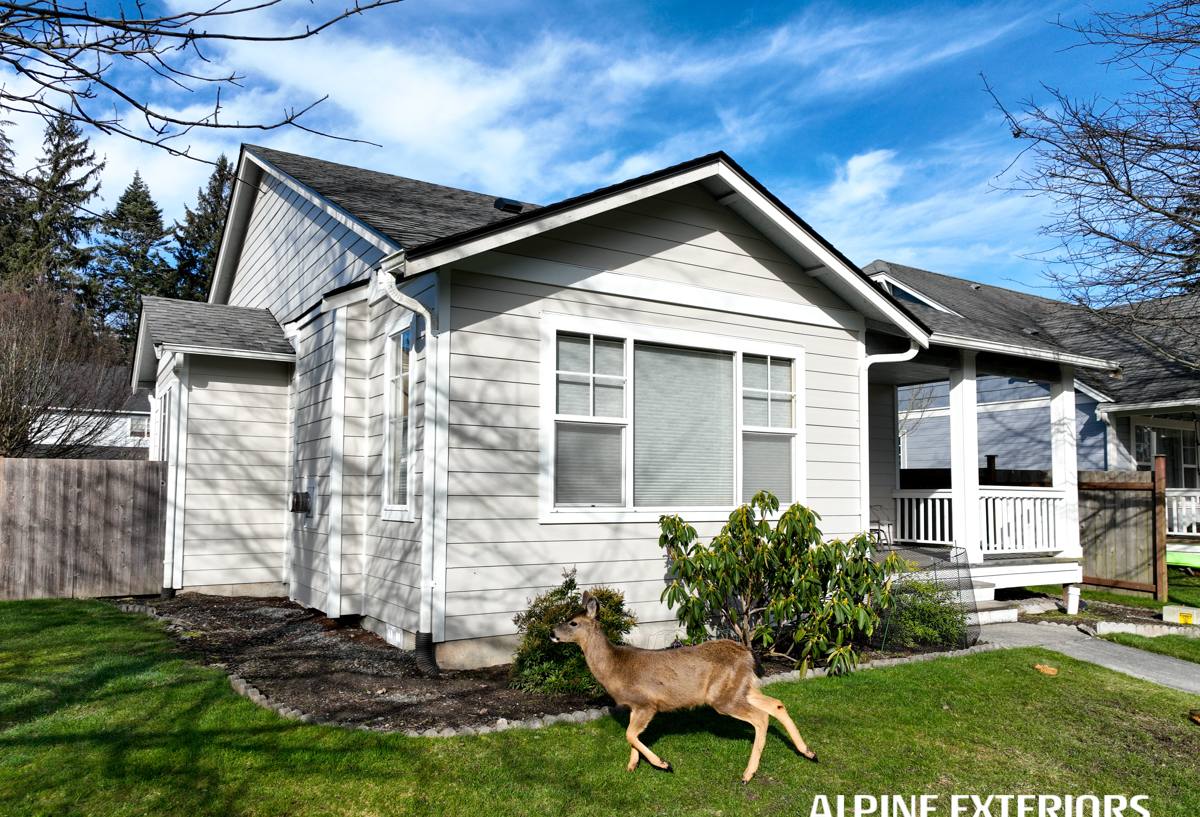
What Tampa Bay Weather Does to a Seminole Heights Roof
Every roof in the Tampa Bay area deals with the same basic climate stresses, but older roofs with more roofline complexity tend to show the damage sooner and in more places.
Hurricane-Force Wind
Wind doesn't just rip off shingles in a straight line — it gets up under edges, ridges, and any spot where a shingle or flashing piece has already loosened. On homes with multiple roof planes, dormers, or additions, there are simply more edges and transitions for wind to find a weak point.
Intense, Year-Round UV
Florida sun bakes asphalt shingles and dries out the oils that keep them flexible. Over years of heat cycling — hot days, cooler nights, repeated expansion and contraction — shingles get brittle, granules wear off, and sealant strips lose their grip. Older roofs that are already past their prime take this stress harder.
Wind-Driven Rain
Rain that comes in sideways during a storm doesn't behave like rain falling straight down. It gets pushed under shingle tabs, into exposed nail heads, and along flashing edges that would be fine in a normal rain but fail under wind-driven conditions. This is where small, unaddressed gaps turn into interior leaks.
Salt Air
Tampa's proximity to the bay means salt-laden air moves through the area and accelerates corrosion on exposed metal — flashing, fasteners, vent boots, and drip edge. A roof that looks fine from the ground can have corroded fasteners or flashing that's lost its seal.
Why Older Seminole Heights Homes Have Different Repair Needs
Original Decking and Prior Layovers
On an older home, the roof deck itself — the wood sheathing under the shingles — may be original material, or it may have been patched and re-covered multiple times over the decades. Before any repair, we check the deck condition in the repair area, because putting new shingles over soft, water-damaged decking just hides the problem instead of fixing it.
Complex Rooflines and Additions
Bungalow-style homes and older houses that have been added onto over time often have more valleys, dormers, and roof-to-wall transitions than a newer, simpler roof design. Every one of those transitions is a place where flashing has to be installed correctly, and it's usually where repair calls actually originate.
Shade, Moisture, and Organic Growth
The mature tree canopy that makes Seminole Heights' streets pleasant also keeps parts of many roofs shaded and damp longer after a rain. That combination is exactly what algae and moss need to take hold, and it also means leaves and debris collect in valleys and behind chimneys, holding moisture against the roof surface far longer than on an open, sun-exposed roof.
Signs Your Roof Needs Attention
Most roof problems give some warning before they turn into an interior leak. Worth checking for, especially after a windy or heavy-rain event:
- Missing, cracked, curling, or lifted shingles, especially near edges, ridges, or valleys
- Granules collecting in gutters or at downspout outlets
- Dark streaking or a mossy, greenish tint on shaded sections of the roof
- Soft or discolored spots on ceilings or in the attic after rain
- Daylight visible through the roof deck from inside the attic
- Rusted, lifted, or missing flashing around chimneys, vents, or where a lower roof meets a wall
- Sagging in any section of the roofline, however slight
- Debris buildup in valleys that never seems to fully clear out
Any one of these on its own might be minor. Several together, or anything paired with an active interior leak, is worth a professional look sooner rather than later.
What a Correct Roof Repair Actually Involves
Diagnosing the Real Problem, Not Just the Symptom
A leak that shows up on a bedroom ceiling doesn't necessarily originate directly above it — water travels along decking and framing before it drips through. A correct repair starts by tracing the water back to its actual entry point, which is often flashing, a valley, or a penetration rather than the shingle field itself.
Matching Materials Honestly
On an older roof, especially one that's had partial repairs before, an exact color and texture match to existing shingles isn't always possible — manufacturers change shingle lines and colors over time, and sun-faded existing shingles will never match brand-new ones perfectly. We tell you upfront what kind of match is realistic so there are no surprises once the work is done.
Flashing and Valleys Get the Same Attention as Shingles
Shingles get the credit, but flashing and valley metal do most of the actual work of keeping water out at transitions. A repair that replaces damaged shingles but reuses old, corroded, or improperly lapped flashing underneath hasn't really solved the problem — it's just delayed the next leak.
Ventilation Stays on the Checklist
Poor attic ventilation cooks shingles from underneath and traps moisture that contributes to deck rot. If a repair area shows signs of heat or moisture damage, we'll flag ventilation as part of the conversation, not just patch the visible symptom.
Our Roof Repair Process
- Inspection. We get on or access the roof directly, check the interior and attic where relevant, and identify the actual source of the problem — not just where the damage is showing.
- Honest scope and estimate. You get a clear explanation of what's actually wrong, what needs to be repaired, what materials we recommend, and a straightforward price before any work starts.
- Repair. We remove and replace only what's damaged or compromised — decking, underlayment, flashing, and shingles as needed — using materials suited to Florida's wind and moisture conditions.
- Cleanup and check. Debris and old materials are cleared from the property, and we walk the completed repair with you before we consider the job done.
Repair Cost Factors
Every roof repair is different, but a few consistent factors drive the price up or down. This isn't a quote — it's a guide to what we're actually evaluating.
| Factor | Why It Matters | Typical Impact |
|---|---|---|
| Extent of decking damage | Rotted or soft plywood/board decking has to be cut out and replaced before new shingles go down | Higher cost the more decking is compromised |
| Roof accessibility and pitch | Steep or hard-to-reach sections take longer and require more safety setup | Moderate increase for steep or complex areas |
| Number of layers already on the roof | Older homes sometimes have more than one layer of shingles from past repairs, which affects tear-off time | More labor time on multi-layer sections |
| Flashing and valley involvement | Custom-fit metal work at chimneys, walls, and valleys takes more time than open shingle field repair | Moderate to higher cost depending on detail count |
| Material availability and matching | Discontinued or hard-to-match shingle lines may require a different approach to the repair area | Can shift cost or repair strategy |
Repair vs. Full Roof Replacement — How We Help You Decide
Not every roof problem calls for a repair, and not every older roof needs full replacement. We look at the whole picture before recommending either one.
Repair generally makes sense when the damage is localized — a section of shingles, a flashing detail, one problem valley — and the rest of the roof and decking are structurally sound. Replacement becomes the more honest recommendation when decking damage is widespread, the shingles are broadly past their expected service life, or repeated repairs in different spots suggest the whole roof system is nearing the end rather than one isolated issue. We'll tell you plainly which situation yours is, including when a repair is the right call even if a bigger job would be more profitable for us.
Why Hiring a Crew That Already Works Seminole Heights Matters
A roofer who mostly works newer, uniform subdivisions elsewhere in Hillsborough County isn't necessarily prepared for what an older Seminole Heights roof throws at them — multiple past repairs, non-standard framing details, and rooflines shaped by additions rather than a single original design. Crews that regularly work this neighborhood recognize these patterns quickly instead of treating every job as a first encounter.
There's also a practical side to local familiarity: knowing how mature tree canopy affects debris buildup and shaded, slower-drying roof sections, understanding the permitting expectations for repair work in Tampa and Hillsborough County, and being able to respond promptly after a storm rolls through the area. None of that replaces a careful, honest inspection of your specific roof — but it does mean fewer surprises and a faster, more accurate diagnosis from the start.
Keeping a Repaired Roof Sound Between Storms
A good repair holds up longer with a little routine attention. Clearing leaves and debris from valleys and gutters a couple of times a year — more often under heavy tree cover — keeps water moving off the roof instead of sitting against it. A quick visual check after any major wind event, and having small issues addressed while they're still small, is what keeps a repair from turning into a bigger job down the road.
If you're dealing with a leak, storm damage, or just want an honest read on where your roof actually stands, we're happy to take a look. The estimate is free, there's no pressure to move forward with anything, and you'll get a straight answer about what your roof needs — use the form below to get started.