 Tampa Siding
 South Tampa's Exterior Has a Harder Job Than Most
South Tampa sits close enough to the bay that salt-laden air, humidity, and driving rain are part of daily life for a home's exterior, not an occasional event. Add Hillsborough County's exposure to tropical-storm and hurricane-force wind events, plus some of the most intense year-round UV in the continental United States, and you have a climate that will find every weak point in a siding installation faster than almost anywhere else in the country. A siding job that would hold up fine in a drier, cooler climate can start failing in South Tampa within a few years if it wasn't designed and installed for these specific conditions.
This page is about one job, done one way, in one part of Tampa: siding installation for South Tampa homes, using James Hardie fiber cement, installed to the standard this climate actually requires.
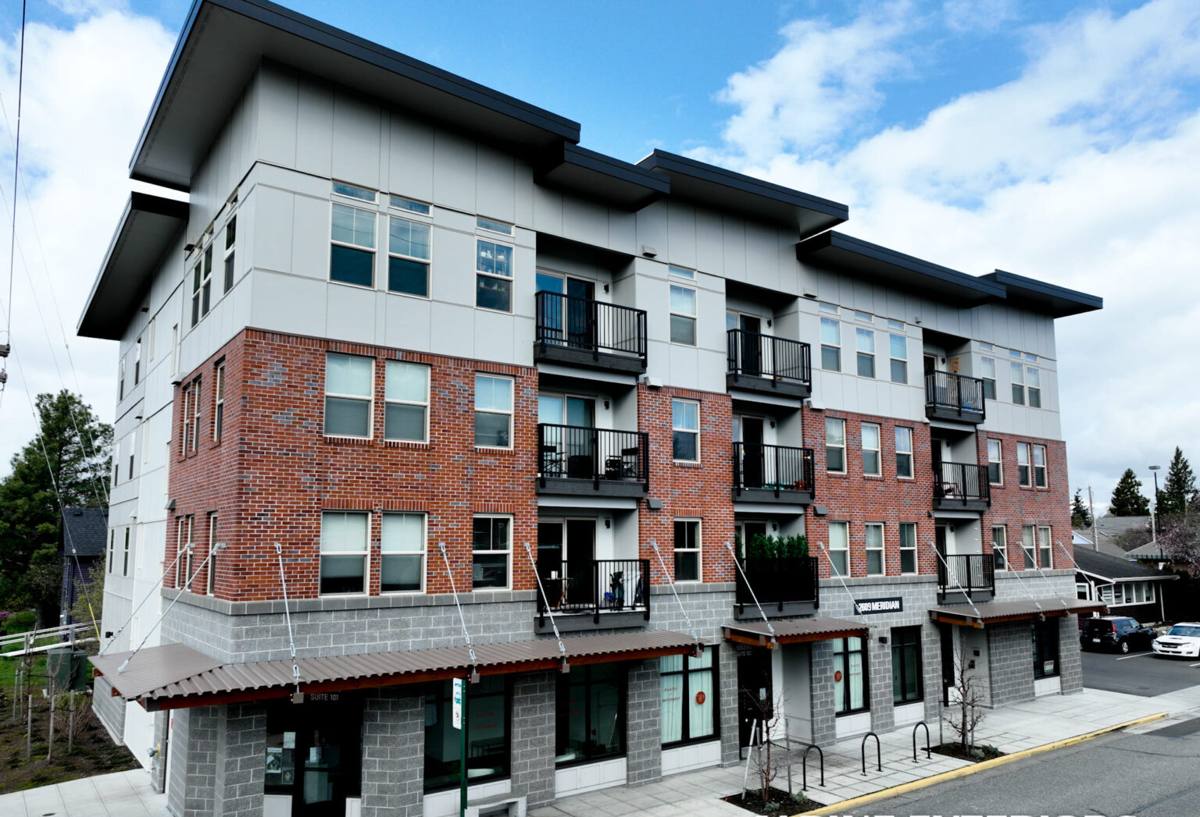
What South Tampa Homes Are Actually Up Against
South Tampa's housing stock spans decades — older bungalow and ranch-style homes alongside newer construction — but the exterior challenges are the same regardless of the home's age or style:
- Wind-driven rain: Storms here don't just drop rain straight down; wind pushes water sideways and up under laps, seams, and trim that weren't detailed for it.
- Salt air: Even homes several miles from open water take on airborne salt, which accelerates corrosion of fasteners, trim, and any metal components in the wall assembly.
- UV exposure: Florida sun breaks down paint film and lesser siding materials faster than almost any other U.S. market, leading to chalking, fading, and premature repainting.
- Humidity and moisture cycling: Constant humidity means anything that traps water behind it — rather than letting it drain and dry — stays wet longer, which is when rot, mold, and fastener corrosion take hold.
- High wind events: Named storms and seasonal squalls put real uplift and impact stress on siding, trim, and fastening patterns.
None of this is unique to South Tampa specifically, but the combination — coastal-adjacent humidity, storm exposure, and sustained UV — is why generic siding installation practices that work in milder climates fall short here.
What a Correct Siding Installation Actually Involves
Siding is a system, not just a set of boards nailed to a wall. In a climate like South Tampa's, the parts you can't see after the job is done matter as much as the finished look.
Moisture Management Behind the Siding
Every wall needs a continuous water-resistive barrier and properly integrated flashing at windows, doors, and any wall penetration. Water that gets behind the siding needs a clear path back out — not a place to pool. This is the single most common point of failure we see in older siding jobs around Tampa: house wrap that was torn, taped incorrectly, or not lapped in the right direction, and flashing that was skipped or installed backward.
Fastening for Wind Resistance
Fastener type, spacing, and placement all affect how well siding holds up under wind load. Manufacturer-specified nailing patterns exist for a reason — they're engineered around wind uplift testing, and departing from them (to save time or material) is one of the fastest ways to end up with siding that fails in the first serious storm rather than the fifth.
Trim, Caulking, and Transitions
Corners, butt joints, and transitions between siding and trim are where water intrusion usually starts. Correct installation means factory-mitered or properly field-cut corners, the right sealant in the right joints (and no sealant where it isn't needed), and gaps sized correctly for expansion.
Clearance and Drainage
Siding installed too close to the ground, roofline, or a deck surface wicks up moisture continuously. Proper clearance at grade, roof-to-wall intersections, and other transitions keeps the bottom edge of the siding from sitting in standing water after every heavy rain.
Why We Install Only James Hardie Fiber Cement
We install James Hardie fiber cement siding exclusively. We don't install vinyl, LP SmartSide, Cemplank, Allura, primed spruce, or cedar. That's a deliberate standard, not a sales preference, and it comes down to how each of those materials behaves in exactly the conditions South Tampa homes face.
Fiber cement is non-combustible, which matters in a state with real wildfire and lightning-strike exposure, and it doesn't expand and contract with heat and humidity the way vinyl and wood-based products do — movement that, over years of Florida summers, works fasteners loose and opens seams. James Hardie's ColorPlus factory-applied finish is baked on and warranted against fading and peeling, which matters enormously under Florida's UV load; field-painted materials simply don't hold color as long here. Hardie also engineers specific product lines (HZ5) for high-humidity, high-moisture climate zones — Tampa qualifies — with moisture and termite resistance built into the substrate rather than added after installation. Backed by a strong, transferable manufacturer warranty, it's the product we're willing to put our own installation standards behind.
We're not going to tell you vinyl siding or engineered wood products are junk — they have real uses and legitimate advantages elsewhere, particularly upfront cost. But we've made a professional decision that in this climate, for the homes we install on, fiber cement is the material that holds up to spec over the long run, and it's the only thing we put our name behind.
Comparing Materials in South Tampa's Climate
| Factor | James Hardie Fiber Cement | Vinyl | Wood-Based Composite |
|---|---|---|---|
| Moisture behavior | Engineered moisture resistance (HZ5), dimensionally stable | Doesn't absorb water, but expands/contracts with heat | Vulnerable to swelling and rot at exposed edges/seams |
| UV/color retention | Factory ColorPlus finish, warranted against fading | Color molded in, but can fade and chalk over time | Field-painted finish, needs repainting on a cycle |
| Wind performance | Rated for high-wind installation per manufacturer specs | Can crack or blow off in high winds if under-fastened | Performance depends heavily on installation quality |
| Fire resistance | Non-combustible | Combustible | Combustible |
| Typical upfront cost | Moderate-to-higher | Lower | Lower-to-moderate |
| Long-term maintenance | Low — occasional wash and inspection | Low, but replacement panels can be hard to color-match later | Higher — moisture and edge maintenance required |
Our Installation Process
Every South Tampa job follows the same sequence — we don't skip steps to move faster, because in this climate the steps we'd be tempted to skip are exactly the ones that cause problems two or three years down the road.
- On-site assessment: We inspect the existing wall assembly, sheathing condition, and any signs of prior moisture intrusion before quoting anything.
- Tear-off and substrate check: Old siding comes off, and we check the sheathing underneath for rot or damage before anything new goes up.
- Water-resistive barrier installation: A continuous, correctly lapped house wrap goes on, with all seams taped and all penetrations flashed before framing is covered.
- Flashing at all openings: Windows, doors, and any wall penetrations get proper flashing integrated with the water-resistive barrier, not just caulk over a gap.
- James Hardie panel or lap installation: Installed to manufacturer fastening specifications, with correct clearances at grade, roofline, and other transitions.
- Trim and joint detailing: Corners, butt joints, and transitions are finished and sealed per manufacturer guidance.
- Final inspection: We walk the finished job checking fastener lines, joint spacing, clearances, and caulking before calling it complete.
Maintenance in a Hot, Humid, Storm-Exposed Climate
Correctly installed James Hardie siding is low-maintenance, but "low" isn't "none." In South Tampa's climate, we recommend a periodic rinse to clear salt residue and airborne grit, a visual check after major storms for any impact damage or lifted trim, and re-caulking of joints as needed over the years — sealant is the one component that wears out on a schedule regardless of what siding material is behind it. Because ColorPlus finish is factory-applied and warranted, homeowners generally avoid the repainting cycle that field-finished materials require here.
What to Ask Before Hiring a Siding Contractor in South Tampa
- Do they carry current Florida contractor licensing and insurance, and will they provide proof without being asked twice?
- Do they follow manufacturer-specified fastening patterns and clearances, or "what's always worked"?
- Will they inspect and address the sheathing and water-resistive barrier, not just the visible siding?
- Can they explain how their flashing details handle wind-driven rain specifically?
- Do they install one product line they stand behind, or a mix of whatever's cheapest for a given bid?
- Is the manufacturer warranty transferable if you sell the home?
Why Local Experience in South Tampa Matters
A crew that installs siding across a range of climates has to generalize. A crew that works Hillsborough County repeatedly gets to specialize — in the flashing details that hold up against this area's wind-driven rain, the clearances that matter given local drainage and grade conditions, and the finish choices that actually hold their color under Tampa's UV load year after year. That familiarity shows up less in the sales pitch and more in the parts of the job nobody sees once the siding is up — the flashing, the fastening, the barrier behind the boards.
If you're planning a siding project for a South Tampa home, we're happy to take a look and talk through what your home specifically needs — no pressure, no obligation. The form below gets you a free estimate.