 Tampa Siding
 Why Ybor City's Climate Is Hard on Siding
Ybor City sits close to downtown Tampa, in a part of Hillsborough County that takes the full brunt of a Gulf Coast climate. Siding here isn't just cosmetic — it's the layer standing between a home's structure and hurricane-force wind gusts, wind-driven rain, relentless UV exposure, and salt-laden air drifting in off Tampa Bay. Products that hold up fine in a mild inland climate often fail early here, and the failures aren't always obvious until moisture has already worked its way behind the cladding.
Older Homes, Different Starting Points
Ybor City's housing stock skews older than a lot of newer Tampa subdivisions — a mix of historic cigar-worker cottages, bungalows, and infill homes built at different times with different materials. That means every siding project starts from a different substrate: old wood siding, aging stucco, or a previous re-side that was never done to spec. A crew working here has to evaluate what's actually underneath before pricing or installing anything, not assume a cookie-cutter approach will work on every house.
Humidity, Storms, and the Urban Heat Island
Dense, older neighborhoods like Ybor City also tend to run warmer and more humid at the surface level than open suburban lots — less tree canopy in places, more hardscape holding heat. Combined with Tampa's humidity and regular tropical storm activity, siding here needs to shed water fast, resist swelling and rot, and keep its color and finish under sustained sun exposure. This is exactly the kind of environment fiber cement was engineered for, and exactly where lower-grade products tend to show their weaknesses first.
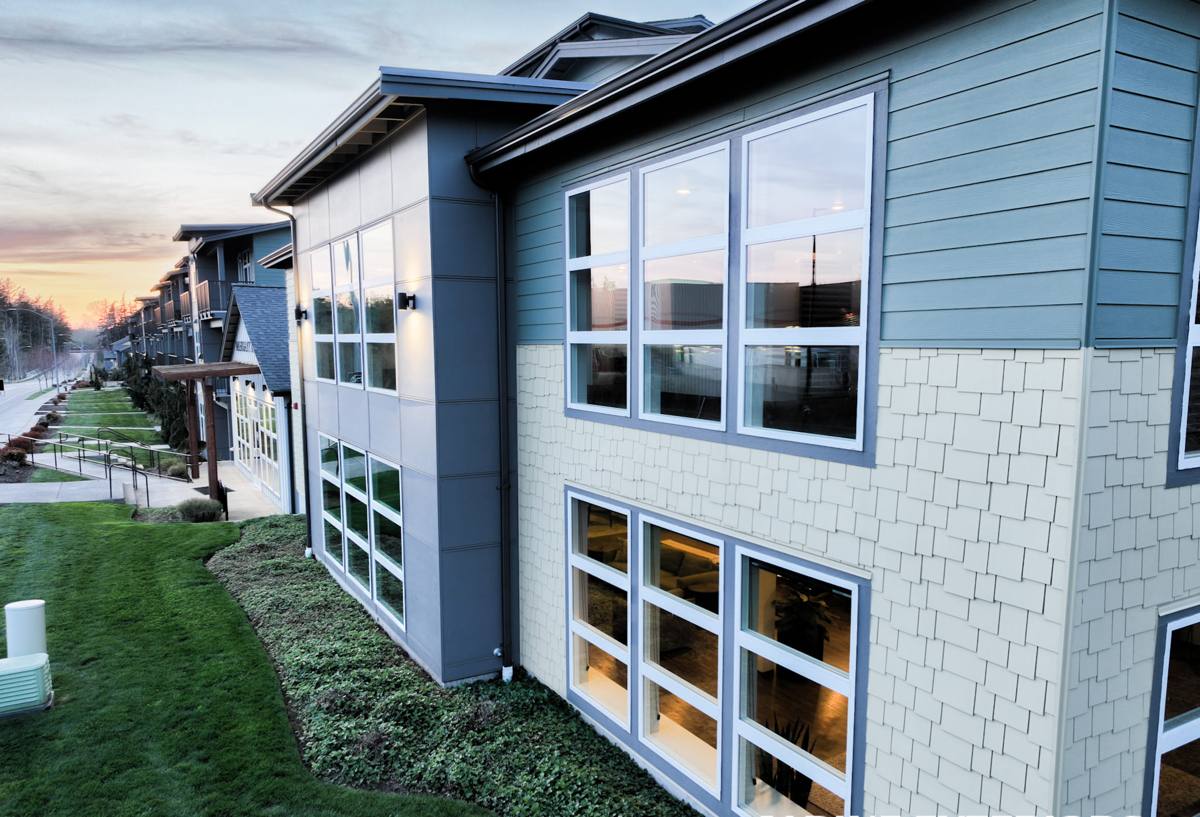
What Correct Siding Installation Actually Involves
A siding job is only as good as what's underneath it. Installing a premium product over poor prep, or with the wrong fastening pattern, gives you a home that looks right on day one and fails behind the wall three years later. Correct installation in a high-wind, high-humidity market like Tampa means paying attention to details a lot of jobs skip.
- A properly lapped, code-compliant weather-resistant barrier behind every panel or plank
- Flashing at every window, door, roofline, and penetration — not just caulk covering a gap
- Fastener type, spacing, and penetration depth matched to the manufacturer's wind zone requirements
- Correct clearance from grade, roof lines, and decking to keep the bottom edge of the siding from wicking water
- Sealed and primed cut edges so the material isn't exposed to moisture at every joint
None of this is visible once the job is finished, which is exactly why it matters who's doing the work and not just what brand is on the invoice.
Why We Only Install James Hardie Fiber Cement
We don't install vinyl, LP SmartSide, Cemplank, Allura, or primed wood siding, and that's a deliberate standard, not an oversight. Each of those products has a place in the market and legitimate strengths, but none of them hold up the way we want a Tampa home's siding to hold up over a full ownership cycle. James Hardie's fiber cement is non-combustible, engineered specifically for humid coastal climates through its HZ5 product line, and finished with a factory-applied ColorPlus finish that resists fading and chipping far better than field-applied paint. It also carries a strong, transferable warranty — something that matters when a home changes hands, which happens often in a walkable, close-to-downtown neighborhood like Ybor City.
How It Compares
| Factor | James Hardie Fiber Cement | Vinyl Siding | Wood / LP SmartSide |
|---|---|---|---|
| Moisture behavior | Dimensionally stable, engineered for humid climates | Doesn't rot, but can warp and gap in heat | Vulnerable to swelling and rot if moisture gets in |
| Wind performance | Rated for high-wind installation when fastened to spec | Can crack or blow off in strong gusts | Depends heavily on install quality and fasteners |
| UV / color durability | ColorPlus factory finish resists fading | Can fade and become brittle over time | Field paint fades and needs repainting on a cycle |
| Fire resistance | Non-combustible | Combustible | Combustible |
| Typical warranty | Long-term, transferable | Varies by manufacturer | Varies, often shorter on finish |
We put this in front of homeowners honestly: vinyl is cheaper up front, and engineered wood products have their fans. But for a home absorbing Tampa's wind and salt air every year, we've made the call that Hardie is what we're willing to put our name on.
Our Installation Process, Start to Finish
Every project starts with an on-site walkthrough, not a phone quote. We look at the existing siding, the substrate underneath, window and door flashing, and any trouble spots — rot, prior water intrusion, or areas where a previous install cut corners. From there we put together a scope that covers removal, prep, and installation, so there are no surprises once the crew shows up.
- Site walkthrough and substrate assessment before any pricing is finalized
- Removal of old siding and inspection of sheathing for hidden rot or damage
- Repair of any compromised sheathing or framing found during tear-off
- Installation of a code-compliant weather-resistant barrier and flashing at all openings
- Hardie panel or plank installation fastened to the manufacturer's wind-zone specifications
- Final walkthrough with the homeowner and cleanup of the job site
We tell homeowners up front what each stage looks like and roughly how long it will take, so a busy Ybor City block doesn't get more disruption than necessary.
Wind, Code, and Insurance Considerations in Hillsborough County
Florida's building code sets wind-load requirements based on location, and Hillsborough County's coastal exposure means fastening schedules and product ratings aren't optional extras — they're what keeps siding attached in a tropical storm or hurricane. Installing to those standards also matters for insurance: carriers increasingly ask about exterior materials and installation quality when underwriting or renewing a policy, and documented, code-compliant work gives homeowners something concrete to point to. Cutting corners on fastener spacing or skipping flashing details might not show up at inspection, but it shows up the first time a real storm rolls through.
What It's Like Working With a Tampa-Based Crew in Ybor City
Permitting and Local Requirements
Siding work in the City of Tampa and unincorporated Hillsborough County goes through local permitting, and a crew that pulls permits here regularly knows what inspectors expect and how to keep a project moving without avoidable delays. That familiarity matters more in a historic area — Ybor City's landmark district status means some exterior work can carry additional review, and it's worth confirming what applies to your specific property before work begins.
Working Around Older Homes and Tighter Lots
Homes in Ybor City are often on smaller, older lots with less room for staging materials and equipment than a newer suburban build. A crew that already works this neighborhood plans around that — protecting landscaping, managing debris, and being realistic about access — instead of treating every job like it's on a wide-open lot.
Cost Factors for a Ybor City Siding Project
Every home is different, so we don't publish flat pricing — but the same factors drive cost on nearly every project we scope in this area. Knowing them ahead of time makes it easier to understand your estimate and compare it against other quotes.
| Cost Factor | Why It Matters |
|---|---|
| Home size and wall complexity | More square footage and more corners, gables, and dormers mean more material and labor |
| Condition of existing sheathing | Hidden rot found during tear-off adds repair work before new siding can go on |
| Panel vs. plank profile | HardiePanel and HardiePlank have different material and labor considerations |
| Trim and detail work | Window casings, fascia, and soffit work add scope beyond the flat wall area |
| Access and site constraints | Tight lots, mature landscaping, or limited staging space can affect labor time |
We walk through these line by line during the estimate so you know exactly what's driving the number, not just a total at the bottom of a page.
Caring for Your New Siding After Installation
One advantage of Hardie's factory-applied ColorPlus finish is how little it asks of a homeowner afterward. A rinse with a garden hose a couple of times a year removes salt residue and grime without pressure-washing damage. Caulking at trim joints and penetrations should be checked periodically, since caulk — not the siding itself — is usually the first thing to age in a coastal climate. Beyond that, correctly installed Hardie siding is built to go years without needing attention, which is the point: less maintenance, and a home that's genuinely better protected against the next storm season.
If you're weighing a siding project on your Ybor City home, we're glad to come take a look and give you a straightforward, no-pressure estimate — just fill out the form below.