 Tampa Siding
 Siding Repair Built for Brandon's Climate
Brandon sits inland from Tampa Bay in Hillsborough County, but "inland" doesn't mean sheltered. Homes here still take the full brunt of a Gulf Coast hurricane season, months of intense subtropical UV, and the kind of wind-driven rain that finds every gap in a siding system. A lot of Brandon's housing stock went up during the area's fast growth over the past few decades, which means thousands of homes are now old enough that their original siding is showing real wear — and new enough that homeowners are often surprised by it. Siding repair here isn't cosmetic touch-up work. Done right, it's about keeping water out of your walls and keeping the exterior doing its actual job.
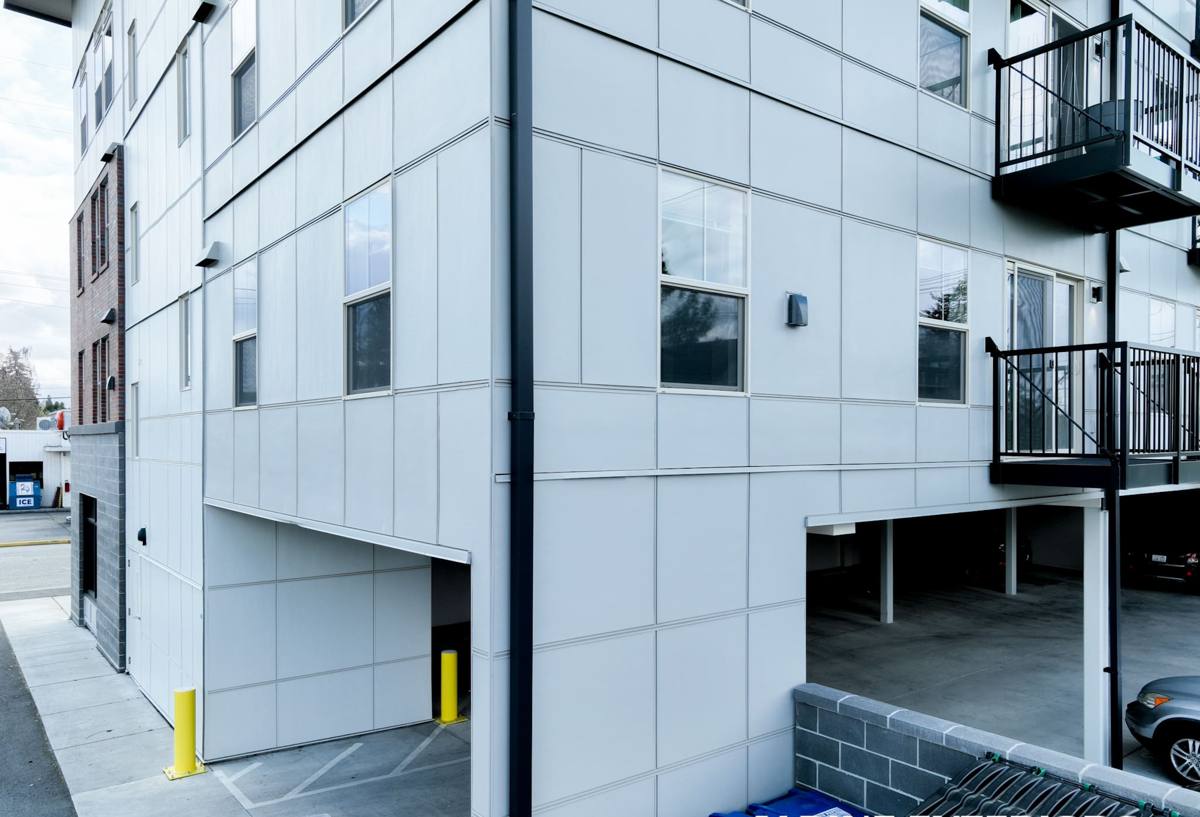
Signs a Brandon Home Needs Siding Repair
Most siding failures don't announce themselves with a dramatic crack. They start small and get worse every storm season they're ignored. Walk your exterior and look for:
- Soft or spongy spots when you press on a wall — usually a sign of moisture behind the siding, not just on it
- Cracked, split, or buckled boards, especially near corners and around windows and doors
- Warping or bowing panels, which often means water has already gotten in behind the surface
- Peeling, bubbling, or chalky paint that keeps coming back no matter how often it's repainted
- Visible gaps at seams, trim, or fastener points where caulk has dried out and pulled away
- Staining or dark streaking that suggests water is running behind the siding rather than off it
- Rising utility bills or rooms that feel drafty, which can point to a compromised weather barrier
- Small holes or pest damage, particularly on wood-based products
Any one of these on its own might be minor. Several at once, or damage that's spread across more than one wall, usually means the underlying problem is bigger than the visible symptom.
What's Actually Driving the Damage
Hurricane-Force Wind and Windborne Debris
Even a storm that never makes direct landfall in Hillsborough County can send sustained tropical-storm-force gusts through Brandon. Wind doesn't just rattle siding — it flexes panels repeatedly, stresses fasteners, and drives loose caps, branches, and debris into walls. Over several storm seasons, that repeated flexing loosens the mechanical connection between siding and structure long before a homeowner notices anything visually wrong.
Year-Round UV Exposure
Tampa-area sun is intense for most of the year, not just in summer. UV breaks down pigments and surface coatings on siding steadily, which is why paint on lower-quality or unprotected products fades and chalks faster here than it would in a milder climate. Factory-applied finishes hold up dramatically better than field-applied paint under this kind of sustained exposure.
Wind-Driven Rain and Moisture Intrusion
Vertical rain is manageable for almost any siding system. Wind-driven rain — rain being pushed sideways and upward into laps, seams, and fastener penetrations — is a different problem, and it's a regular feature of Florida storms. This is where installation quality matters as much as the material itself: proper flashing, correct overlap, and sealed penetrations are what keep wind-driven rain from becoming a moisture problem inside the wall assembly.
Humid, Inland Air
Brandon doesn't get the direct salt spray that immediate coastal Tampa Bay properties deal with, but it shares the same heavy, humid air for most of the year. That humidity keeps moisture in contact with siding surfaces and fasteners longer after every rain event, which accelerates rot in wood-based products and corrosion on lower-grade hardware.
What We Find on Brandon Siding, Material by Material
Repair work looks different depending on what's actually on the wall. Here's what we typically see and how repairable each material tends to be in this climate:
| Siding Material | Common Damage We See | Repairability in This Climate |
|---|---|---|
| Vinyl | Cracking in UV-brittled panels, warping near dryer vents or reflected heat, wind damage at loose clips | Individual panels can often be swapped, but color-matching older, sun-faded vinyl to new stock is difficult |
| Wood or primed spruce | Rot at seams and bottom edges, paint failure, pest entry points | Repairable short-term, but repeated repair cycles are common since the underlying vulnerability to moisture doesn't go away |
| LP SmartSide (engineered wood) | Edge swelling, delamination at cut ends and seams, moisture staining | Patchable if caught early; once edge swelling sets in, the affected section typically needs full replacement rather than a patch |
| James Hardie fiber cement | Impact chips, caulk failure at seams, occasional cracked board from debris impact | Generally the most repair-friendly system — non-combustible, dimensionally stable, and holds paint/factory finish well once repaired |
What a Correct Repair Actually Involves
A proper siding repair is more than pulling off a damaged board and nailing up a new one. Done correctly, the process looks like this:
- Diagnose the cause, not just the symptom. A cracked board might be the visible problem, but if it cracked because of trapped moisture or a flashing failure, replacing the board alone doesn't fix anything.
- Check what's behind the siding. Any time siding is pulled, the house wrap, flashing, and sheathing underneath get inspected. Repairing the surface over a compromised weather barrier just hides the problem for another season.
- Match the material correctly. Profile, exposure, and thickness all need to match the existing wall — mismatched replacement boards are one of the most common signs of a rushed repair.
- Reinstall to the manufacturer's fastening and clearance specs. Nail placement, fastener type, and ground clearance all affect how well a repaired section holds up to the next storm.
- Re-seal and re-flash properly. Seams, trim boundaries, and penetrations get sealed with the right products in the right sequence — caulk is not a substitute for correct flashing.
- Finish to match. Whether that means factory-finish touch-up or full-panel replacement to keep color consistent across the wall.
Repair or Replace? How We Help You Decide
Not every damaged section needs a full re-side, but not every problem is a quick patch either. We walk homeowners through the real trade-offs rather than defaulting to the bigger job:
| Factor | Leans Toward Repair | Leans Toward Replacement |
|---|---|---|
| Extent of damage | Isolated to one or two areas | Spread across multiple walls or elevations |
| Cause | Impact damage, isolated fastener or caulk failure | Systemic moisture intrusion behind the weather barrier |
| Material condition | Rest of the siding is sound and holding paint/finish well | Surrounding siding is also aging out or chronically failing |
| Age of existing siding | Well within expected service life | Near or past the material's realistic lifespan |
| Color/finish match | Patch will blend acceptably | Faded or discontinued color makes matching impractical |
Why We Repair — and Recommend — James Hardie Over the Alternatives
We install James Hardie fiber cement exclusively, and that shows up in how we approach repair work too. We don't install LP SmartSide, vinyl, Cemplank, Allura, primed spruce, or cedar, because each of those comes with a real-world trade-off we're not willing to put our name behind: vinyl and engineered wood are more sensitive to Florida's heat and moisture cycles, wood products carry an ongoing maintenance and rot burden, and even other fiber cement brands don't carry the same factory-finish warranty structure Hardie backs its ColorPlus products with. Hardie's HZ10 formulation is engineered specifically for humid, high-UV climates like ours, which is exactly the environment Brandon sits in. When we repair Hardie siding, we're not fighting the material — we're working with a product built for this climate to begin with, and repaired sections have a much better track record of holding their finish and shape long-term than the alternatives.
Our Process When You Call Us in Brandon
Every job starts with an on-site inspection, not a phone estimate. We look at the damaged area, check what's underneath it where needed, and identify whether the cause is isolated or systemic. From there we give a written scope and price before any work starts — no guessing, no upselling into a full re-side unless the inspection actually supports it. Repairs are scheduled around Florida's storm season where possible, and we stand behind the work the same way we stand behind full installations.
Why a Crew That Already Works Brandon Matters
Siding repair is a trade where local knowledge shows up in small but real ways: knowing how Hillsborough County's permitting process handles exterior repair work, knowing what wind exposure a given neighborhood typically sees, and having already worked on the mix of vinyl, wood, engineered wood, and fiber cement that's common on Brandon's housing stock. A crew that's already familiar with the area shows up knowing what questions to ask and what to look for, rather than treating every house as a first encounter. That familiarity translates into faster, more accurate diagnoses and repairs that are built for what this specific climate is going to throw at them next.
If you've got damaged, aging, or storm-affected siding on a Brandon home, we're happy to take a look and give you a straight answer on what it actually needs. Reach out for a free, no-pressure estimate using the form below.