 Tampa Siding
 Siding Repair Built for a Waterfront Tampa Neighborhood
Davis Islands sits closer to open water than almost any other residential pocket of Tampa, and that proximity changes what "siding repair" actually means here. A cracked or buckled panel on a home a few miles inland is usually a sun and moisture problem. On Davis Islands, you're layering that same sun and moisture exposure on top of near-constant salt air and bay wind, which accelerates almost every failure mode we see in siding. A repair crew that treats this neighborhood like any other stretch of Hillsborough County will often miss what's actually driving the damage.
Tampa Siding Co repairs siding on Davis Islands regularly enough that we've stopped being surprised by what we find behind an opened-up wall section. This page walks through what local homes need from a repair, what a correct job actually involves, and why the who matters as much as the what.
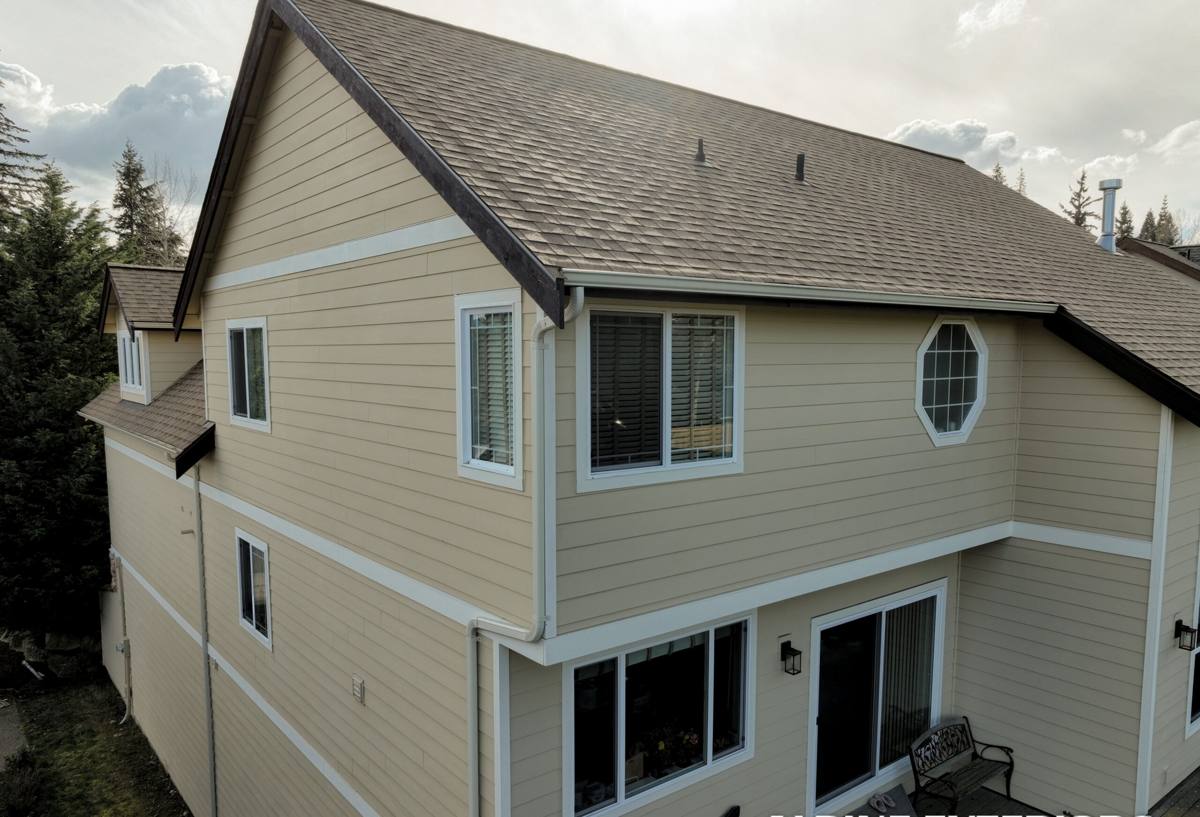
Why Davis Islands Is Harder on Siding Than the Average Tampa Lot
A few conditions stack up on this island that don't apply the same way even a short distance inland:
- Salt air exposure — being surrounded by water means airborne salt reaches siding, trim, and fasteners on a near-daily basis, not just during storm events. Salt accelerates corrosion of any exposed metal fastener and speeds up the breakdown of coatings not designed for it.
- Wind-driven rain — open water exposure means wind hits these homes with less obstruction than a heavily wooded inland lot. Wind-driven rain gets pushed sideways into laps, seams, and penetrations far more aggressively than a calm-day rain ever would.
- Intense, sustained UV — Tampa's sun load is brutal on any exterior material year-round, and reflected glare off nearby water can add to the punishment on certain elevations.
- Storm surge and hurricane wind risk — as a low-lying island community, Davis Islands carries flood and wind exposure that Hillsborough County takes seriously in its building requirements, and that history should inform repair decisions, not just new construction.
- Older housing stock — Davis Islands has a lot of homes from earlier building eras alongside newer renovations, which means a repair crew needs to be comfortable working with legacy siding details, not just current products.
None of this means siding repair here is impossible or unusually expensive by nature — it means the diagnosis has to account for salt, wind, and sun together, not just whichever one is easiest to spot.
What "Correct" Siding Repair Actually Involves
Diagnosing the Cause, Not Just the Symptom
A cracked panel, a soft spot near a corner, or a stain bleeding through paint is a symptom. The cause is almost always upstream: a failed sealant joint, a flashing detail that was never installed correctly, a fastener that's corroding and letting water track behind the cladding, or moisture trapped by a material that wasn't built to handle sustained humidity. Repairing the visible damage without finding the cause means the same failure shows up again in a year or two, often worse.
Matching Materials the Right Way
Siding repair on an older or previously renovated Davis Islands home frequently means matching against an existing product that may no longer be available in the same profile, thickness, or finish. When we can match cleanly, we do. When a full match isn't realistic, we're upfront about it and talk through whether a broader section replacement or a full re-side makes more sense than a patch that will always look and perform slightly differently than the surrounding material.
Protecting What's Behind the Siding
Siding is the visible layer, but the water-resistive barrier, flashing, and framing behind it are what actually keep a home dry. Any repair that doesn't inspect and correct these layers when they're exposed is only a cosmetic fix. On a salt-air island lot, we pay particular attention to fastener condition and any metal flashing for early corrosion, since that's often the real reason a repair was needed in the first place.
Our Repair Process on Davis Islands
- On-site assessment — we inspect the damaged area and the surrounding field of siding, since visible damage in one spot often signals early-stage issues nearby that haven't shown themselves yet.
- Root-cause diagnosis — we open up enough of the affected area to see what's actually happening behind the cladding: sealant, flashing, fastener condition, and moisture evidence.
- Honest scope conversation — we tell you plainly whether this is a contained patch, a section replacement, or a sign that a larger portion of the home's siding is reaching the end of its useful life.
- Repair or replace with James Hardie fiber cement — where we're introducing new material, we use James Hardie products exclusively, matched to the home's existing look wherever possible.
- Correct flashing and sealant detailing — every repair gets proper flashing and sealant work, not just a cosmetic panel swap, so the fix actually addresses the wind-driven rain and salt exposure that caused the problem.
- Final inspection with the homeowner — walking the repaired area together so you know exactly what was done and why.
Signs a Davis Islands Home Needs Siding Repair
- Visible cracking, splitting, or buckling in one or more panels
- Soft or spongy spots when pressed, especially near corners, window trim, or the base of the wall
- Peeling or bubbling paint that keeps coming back in the same spot after repainting
- Dark streaking or staining that suggests water is tracking behind the siding
- Visible rust bleeding from fastener heads or metal flashing
- Gaps opening up at seams, corners, or where siding meets trim, windows, or doors
- A musty smell or visible mold near an exterior wall on the interior side
Any one of these on its own might be minor. Two or more together, especially after a named storm or a stretch of sustained wind, is worth a professional look before it spreads.
Why We Repair With James Hardie, Not Whatever's Already There
Tampa Siding Co installs James Hardie fiber cement exclusively — we don't install vinyl, LP SmartSide, or other fiber cement brands, even for repair work. When a repair calls for new material, that's a deliberate standard, not a sales pitch:
| Repair Consideration | Why It Matters on a Salt-Air Island Lot |
|---|---|
| Non-combustible material | Fire risk exists everywhere in Florida; a non-combustible cladding is a meaningful, permanent advantage over vinyl or wood-based products. |
| Moisture and humidity behavior | Fiber cement doesn't rot or swell the way wood-based siding can when exposed to sustained humidity and wind-driven rain. |
| Factory-applied ColorPlus finish | A factory finish holds color and resists fading better under Tampa's UV load than field-applied paint, which matters for repair sections that need to match surrounding color over years, not months. |
| Climate-engineered HZ product lines | James Hardie's HZ5 line is engineered for high-humidity, high-moisture climates like the Gulf Coast, which is exactly the profile Davis Islands sits in. |
| Transferable warranty | A strong, transferable warranty protects both the current homeowner and a future buyer — relevant on a neighborhood where resale value runs high. |
We're not going to tell you every other siding product is a disaster — that's not honest, and it's not our call to make about products we don't install. What we will say is that after years of doing this work along the Gulf Coast, fiber cement from James Hardie is what we're willing to put our name behind, and it's the only material we use when a repair calls for new panels.
Why It Matters to Hire a Crew That Already Works This Island
Davis Islands has its own quirks: tight lot access on some streets, homes close enough together that staging materials takes planning, HOA or neighborhood expectations around appearance, and a housing stock that mixes eras and renovation histories. A crew that's worked the island before knows to expect these things going in, rather than discovering them mid-job and slowing everything down.
More importantly, a contractor who repairs siding across Tampa's waterfront neighborhoods on a regular basis has actually seen how salt air, wind-driven rain, and UV interact on homes like yours — not in theory, but in the field, on real jobs, repeatedly. That pattern recognition is what separates a repair that lasts from one that reopens the same problem in eighteen months.
Get a No-Pressure Repair Estimate
If you're seeing cracking, soft spots, staining, or fastener rust on your Davis Islands home's siding, it's worth having someone look at it before the next storm season pushes it further. Fill out the form below for a free, no-pressure estimate — we'll walk the affected area with you, explain what we find, and give you a straight answer on what it will take to fix it right.