 Tampa Siding
 Siding Repair in Plant City: What Local Homes Are Up Against
Plant City sits inland from Tampa Bay in eastern Hillsborough County, and that inland position shapes how siding ages here. Homes get a little less direct salt exposure than properties right on the coast, but they make up for it with long, humid summers, intense UV exposure nearly year-round, and the same violent afternoon thunderstorms and hurricane risk that the whole Tampa Bay region deals with. Add in wide temperature swings between scorching afternoons and cooler nights, and siding is under constant stress even when nothing dramatic ever happens to the house.
Siding repair in this environment isn't just about patching a hole after a storm. It's about understanding why a specific section failed, whether the damage is isolated or a symptom of a bigger moisture problem, and how to fix it so the repair holds up as well as the rest of the wall. That's a different job than swapping a broken panel and moving on.
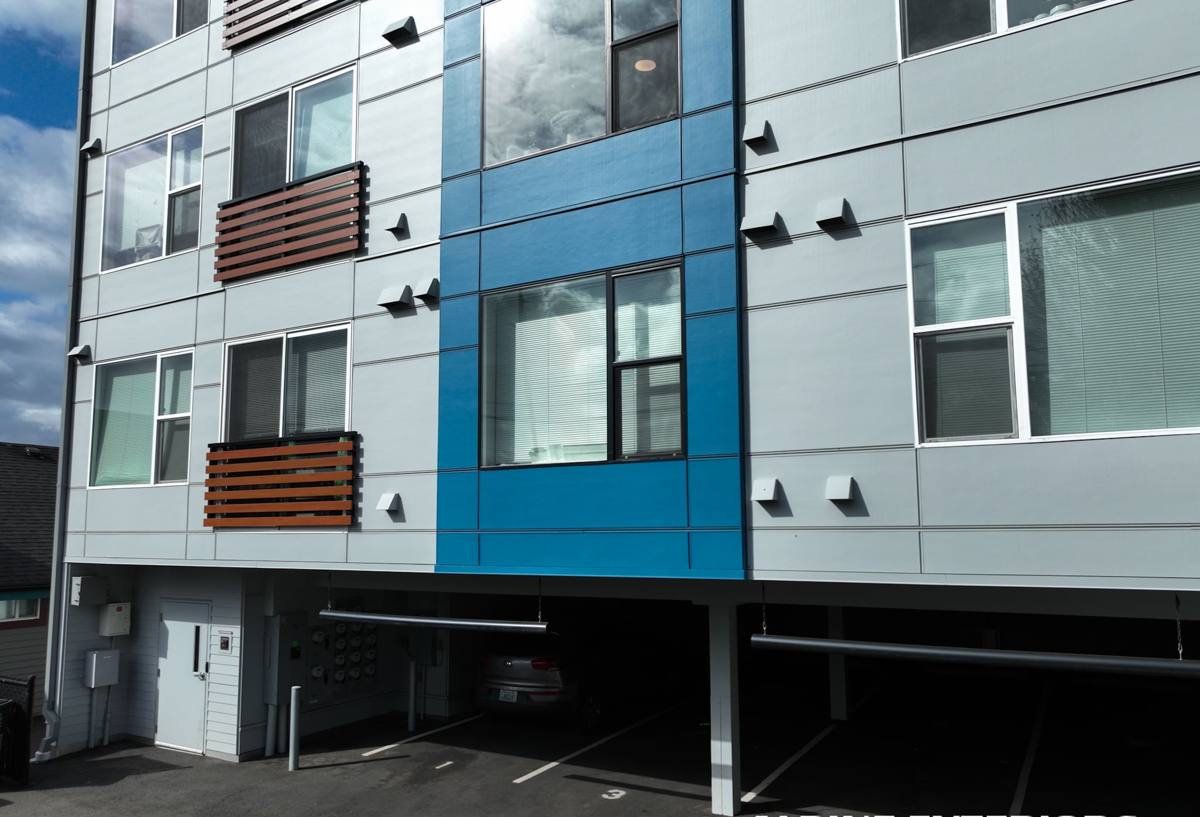
Common Signs You Need Siding Repair
Most siding problems in Plant City don't show up as one dramatic failure — they show up as small warning signs that get ignored until they aren't small anymore. Walk your exterior a couple of times a year and look for these:
- Cracked, split, or buckled panels, especially near corners and window trim
- Soft or spongy spots when you press on the siding (a sign of moisture behind it)
- Paint that's peeling, bubbling, or chalking faster than it should
- Gaps opening up at seams, joints, or where siding meets trim and flashing
- Visible warping or panels pulling away from the wall
- Dark staining, streaking, or a musty smell near exterior walls
- Missing or loose fasteners after a windstorm
- Insect activity or soft, damaged wood trim around siding edges
Any one of these on its own might be minor. Several together, or damage that keeps recurring in the same spot, usually points to a moisture or installation issue that a patch alone won't solve.
What's Actually Driving the Damage
Wind-Driven Rain and Storm Impact
Hillsborough County sees regular tropical systems and severe thunderstorms, and wind-driven rain is one of the toughest tests siding faces. Rain that's being pushed sideways at speed finds every weak seam, every gap around a window, and every spot where flashing wasn't detailed correctly. Once water gets behind siding, the damage often isn't visible from the outside until it's already affected sheathing or framing.
UV and Thermal Cycling
Florida sun is hard on exterior materials. UV breaks down paint finishes, dries out caulking, and — on materials that aren't built for it — can cause warping, fading, or brittleness over time. Layer on the daily heat-up-and-cool-down cycle common in a Florida summer, and materials expand and contract constantly. Siding and fasteners that aren't installed with the right clearances for that movement eventually crack, buckle, or work themselves loose.
Humidity and Moisture Intrusion
Central Florida's humidity means siding rarely gets a long stretch to fully dry out. If water finds its way behind a panel through a cracked seam or failed caulk joint, it can sit there far longer than it would in a drier climate, which accelerates rot in wood trim and encourages mold and mildew growth.
Pests and Aging Housing Stock
Plant City's mix of older established homes and newer construction means we see a wide range of siding ages and conditions. Older wood trim and legacy siding materials are more vulnerable to wood-destroying insects, which is common throughout this part of Florida. Damaged or gapped siding gives pests an easy entry point, so repair work often needs to address both the siding and the trim around it.
Repair or Replace? How We Make That Call
Not every siding problem needs a full re-side, but not every problem should be patched, either. We look at the extent of the damage, what's causing it, and how much useful life the rest of the siding has left before recommending a path.
| Factor | Points Toward Repair | Points Toward Replacement |
|---|---|---|
| Extent of damage | Isolated to one or two sections | Spread across multiple walls or elevations |
| Cause | One-time impact (storm debris, accidental damage) | Ongoing moisture intrusion or systemic installation flaws |
| Underlying material condition | Sheathing and framing are sound | Rot or water damage found behind the siding |
| Age and material of existing siding | Newer, well-maintained siding in good condition overall | Aging or deteriorating siding nearing the end of its service life |
| Color and profile match | Replacement material closely matches existing panels | Discontinued color or profile makes a seamless match unlikely |
We'll always tell you honestly when a repair is the right call and when it isn't. A repair that's covering up a bigger moisture problem doesn't save money — it just delays a more expensive fix.
Our Siding Repair Process
- Inspection: We examine the damaged area and the siding around it, checking for moisture behind the surface, condition of the underlying sheathing, and whether the damage is isolated or part of a wider pattern.
- Diagnosis: We identify the actual cause — storm impact, a failed seam, bad flashing detail, or long-term moisture — because fixing the symptom without addressing the cause just means repeating the repair later.
- Assessment of hidden damage: If water has gotten behind the siding, we check the sheathing and framing underneath before closing anything back up.
- Repair or panel replacement: Damaged sections are removed and replaced using properly matched materials, correct fastening patterns, and appropriate clearances for expansion and contraction.
- Sealing and flashing correction: Any flashing or sealant issues that contributed to the damage get corrected as part of the repair, not just re-caulked over.
- Finish and cleanup: The repaired area is finished to blend with the surrounding siding as closely as possible, and the site is cleaned up before we consider the job done.
Why James Hardie Siding Matters When It Comes Time to Repair
We install and repair exclusively with James Hardie fiber cement siding, and that's a deliberate standard, not a preference of convenience. Fiber cement is non-combustible, holds up to Florida's humidity without the warping or rot risk of wood, and doesn't have the heat-related expansion issues that can plague other siding materials in direct sun. James Hardie's HardieZone HZ5 product line is engineered specifically for climates like ours — hot, humid, and prone to wind-driven moisture.
Repair work is also where James Hardie's ColorPlus factory finish pays off. Because the color is baked on at the factory rather than field-applied, replacement panels from the same color line match far more consistently than a repair on field-painted siding ever will. That matters if you're trying to fix a section without repainting your whole house.
If your home currently has a different siding material — vinyl, wood, LP SmartSide, or another fiber cement brand — we can still assess and, in many cases, repair it. But when damage is extensive or recurring, we'll be upfront that a switch to James Hardie is often the more durable long-term answer for this climate, and we'll explain exactly why rather than just recommending it because it's what we sell.
Why It Matters to Hire a Crew That Already Works in Plant City
Siding repair is detail work, and details are exactly where quality gets lost when a crew doesn't know the area. A contractor who regularly works Hillsborough County homes already understands how local humidity, storm exposure, and the mix of older and newer construction in Plant City affect siding performance. That means faster, more accurate diagnosis of what's actually wrong, better matching when it comes to sourcing the right panels and profiles, and a crew that isn't learning Florida's climate demands on your project.
It also means accountability. A local crew that plans to keep working in this community has a reason to do the job right the first time and stand behind it — not just complete a one-off repair and move on.
Keeping Your Siding in Good Shape After a Repair
A well-executed repair should hold up for years, but a little maintenance keeps it — and the rest of your siding — performing the way it should:
- Rinse siding periodically to remove pollen, dirt, and salt residue buildup
- Check caulking around windows, doors, and trim annually and reseal where it's cracked or gapped
- Trim back vegetation and irrigation spray that keeps siding constantly wet
- Walk the exterior after major storms to catch new damage early
- Address small issues right away — a small gap or crack is a quick fix; the same issue left for a year usually isn't
If you're noticing damage on your Plant City home, or you just want an honest second opinion on whether a section needs repair or replacement, we're happy to take a look. Fill out the form below for a free, no-pressure estimate.