 Tampa Siding
 Why Carrollwood's Climate Is Hard on Siding
Carrollwood sits inland from Tampa Bay in Hillsborough County, but "inland" doesn't mean sheltered. The same weather systems that batter the coastline still reach Carrollwood's streets — hurricane-force winds during storm season, months of intense subtropical UV, and wind-driven rain that gets pushed sideways into wall assemblies rather than falling straight down. Add in salt-laden air that travels well inland from the Bay and the Gulf, along with Tampa's long, humid summers, and you have a climate that is genuinely tough on exterior building materials.
Siding on a Carrollwood home isn't just a cosmetic layer. It's the primary barrier keeping wind-driven moisture out of the wall cavity, and it's under constant UV and thermal stress even when the weather looks calm. Materials that aren't engineered for this specific combination of heat, humidity, and storm exposure tend to show it early — through fading, swelling, cracking, or moisture damage behind the surface long before the siding looks obviously "worn out" from the street.
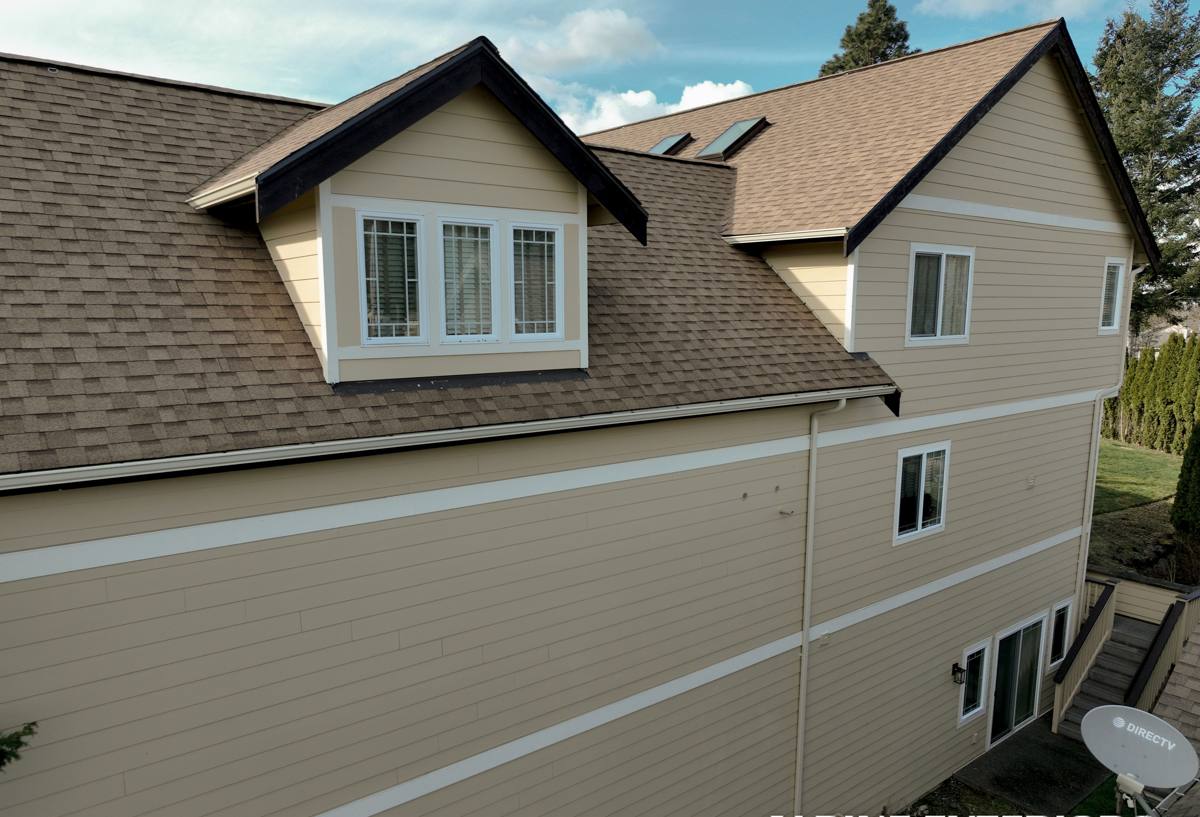
Signs Your Carrollwood Home's Siding Needs Replacing, Not Just Patching
Homeowners often ask whether a problem area can just be patched or repainted. Sometimes it can. But certain conditions point to a siding system that has failed at the material or installation level, not just a surface that needs freshening up.
- Soft, spongy, or crumbling spots when you press on the siding — usually a sign of moisture trapped behind the surface
- Visible warping, buckling, or panels pulling away from the wall
- Paint that won't hold, even after repeated repainting, especially on sun-exposed elevations
- Cracking that follows a pattern across multiple boards rather than one isolated spot
- Staining, streaking, or persistent mildew that comes back within a season of cleaning
- Rot or insect damage at butt joints, corners, or anywhere siding meets trim
- Rising energy bills that track with visibly failing siding, suggesting the wall assembly is no longer doing its job
If you're seeing more than one of these, a full replacement is usually more cost-effective in the long run than chasing repairs on a system that's already compromised.
What a Correct Siding Replacement Actually Involves
Tear-Off and Substrate Inspection
A proper job starts by removing the old siding down to the sheathing, not installing over it. This is the only way to actually see what's happening underneath — soft sheathing, hidden rot, or old moisture damage that's been sitting behind the old material, sometimes for years. In a humid climate like Tampa's, skipping this step is how small problems turn into structural ones.
Moisture Barrier and Flashing
Once the substrate is exposed and any damaged sections are repaired, a weather-resistant barrier goes on before any new siding does. Flashing gets installed at every window, door, and penetration point — these are the details that determine whether wind-driven rain stays out or works its way behind the siding during the next tropical storm.
Fastening for Florida Wind Exposure
Hillsborough County's building code reflects the region's wind risk, and correct fastener type, spacing, and penetration matter as much as the siding material itself. Siding that looks identical to the eye can perform very differently in a wind event depending on how it was actually attached.
Why We Install Only James Hardie Fiber Cement
We install James Hardie fiber cement siding exclusively — not vinyl, not LP SmartSide, not cedar, and not other fiber cement brands. That's a deliberate standard, not a limitation in what we're capable of installing.
Fiber cement is non-combustible, which matters in a state where lightning and wildfire both factor into home insurance underwriting. Hardie's ColorPlus finish is baked on at the factory under controlled conditions, which holds color and resists fading far better than field-applied paint exposed to Florida's UV load. Hardie also engineers specific product lines for high-humidity, no-freeze climates like ours, so the boards are built for exactly the conditions Carrollwood homes deal with — not a generic national spec. And because Hardie backs its products with a strong, transferable warranty when installed to its written specifications, homeowners get protection that actually holds up if the home changes hands.
None of this means other siding materials are without merit — vinyl is inexpensive and low-maintenance in mild climates, and wood has a look some homeowners love. But after years of seeing how different materials actually perform on Tampa-area homes, fiber cement done right is what we're willing to put our name behind.
Our Siding Replacement Process
- On-site assessment. We inspect the current siding, look for signs of moisture intrusion, and check the condition of the sheathing wherever it's accessible.
- Written scope and product selection. We walk you through Hardie product lines, profiles, and ColorPlus color options suited to your home's style and sun exposure.
- Tear-off and repair. Old siding comes off, damaged sheathing gets replaced, and the substrate is prepped before anything new goes up.
- Weather barrier and flashing installation. Every window, door, and penetration is properly flashed before siding installation begins.
- Hardie installation to manufacturer spec. Correct fastener type, spacing, and clearances — the details that protect the warranty and the performance.
- Trim, caulking, and final finish. Joints and transitions get sealed and finished so the whole system works together, not just the flat panels.
- Walkthrough and cleanup. We review the finished work with you and clear the site of debris and old material.
What Siding Replacement Costs in Carrollwood
Every home is different, but the factors that move the price on a Carrollwood siding job are consistent. We'll always give you an exact number after seeing your home in person — but this gives you a sense of what drives the range.
| Cost Factor | Why It Matters |
|---|---|
| Home size and wall complexity | More square footage and more corners, gables, and dormers mean more material and labor |
| Substrate condition | Hidden rot or moisture damage found during tear-off adds repair scope before new siding goes on |
| Hardie product line and profile | Lap siding, shingle-style panels, and board-and-batten carry different material costs |
| Trim and detail work | Corners, window trim, and fascia detailing add labor time beyond the flat wall areas |
| Access and site conditions | Mature landscaping, fencing, or tight lot lines around older Carrollwood homes can affect setup and staging |
| Story count | Two-story sections require additional safety setup and slow installation pace |
Carrollwood's Housing Stock and What It Means for Your Project
Carrollwood is an established community with a mix of home ages and styles, including a good number of homes from earlier building eras alongside newer construction. Older homes are more likely to have outdated moisture barriers or siding installed under building codes that predate today's wind and water standards — which is exactly why the tear-off and inspection step matters so much here, rather than simply matching what's already on the wall.
The area is also known for mature tree canopy and shaded, established lots. Shade is nice for cooling a home, but it also means siding on tree-covered elevations stays damp longer after rain and gets less UV to dry it out — a combination that favors materials genuinely resistant to moisture and mildew over ones that just look good when new. Homes near the area's lakes deal with a similar dynamic: consistently higher ambient humidity working against whatever's on the wall, day after day.
Why Hiring a Crew That Already Works in Carrollwood Matters
Siding installation isn't one-size-fits-all, even within the same city. A crew that regularly works Carrollwood already understands the permitting process through Hillsborough County, knows what wind-load and flashing details actually hold up on homes with this area's sun and shade exposure, and has a feel for navigating tighter or more landscaped lots without damaging what's already there. That local pattern recognition — knowing which details tend to fail first on homes like yours, and building in the fix before it becomes a problem — is the difference between a job that looks good at handoff and one that still looks and performs well ten years later.
It also means fewer surprises during the process itself. A contractor who's worked the neighborhood knows what to expect from HOA guidelines where they apply, how to schedule around Tampa's rainy season, and how to keep a project moving without cutting corners on the details that matter in this climate.
If your Carrollwood home's siding is showing its age — or you just want an honest opinion on whether repair or replacement makes more sense — we're happy to take a look. Reach out for a free, no-pressure estimate using the form below.