 Tampa Siding
 Why Davis Islands Siding Takes a Different Approach
Davis Islands sits out in Tampa Bay, connected to the mainland by bridge, with water on nearly every side. That location is what makes the neighborhood desirable — and it's also what makes siding on these homes work harder than siding almost anywhere else in Hillsborough County. Homes here face a near-constant mix of humid salt air, direct bay wind with no real windbreak, intense year-round UV, and the wind-driven rain that comes with Tampa's summer storm pattern and hurricane season. A siding product or installation method that holds up fine in an inland Tampa subdivision can fail years early on an island lot exposed to open water.
That's the lens we bring to every Davis Islands siding replacement: not "what's standard," but "what actually survives out here." This page walks through what that means in practice — for the material, the installation details, and the contractor you choose to do the work.
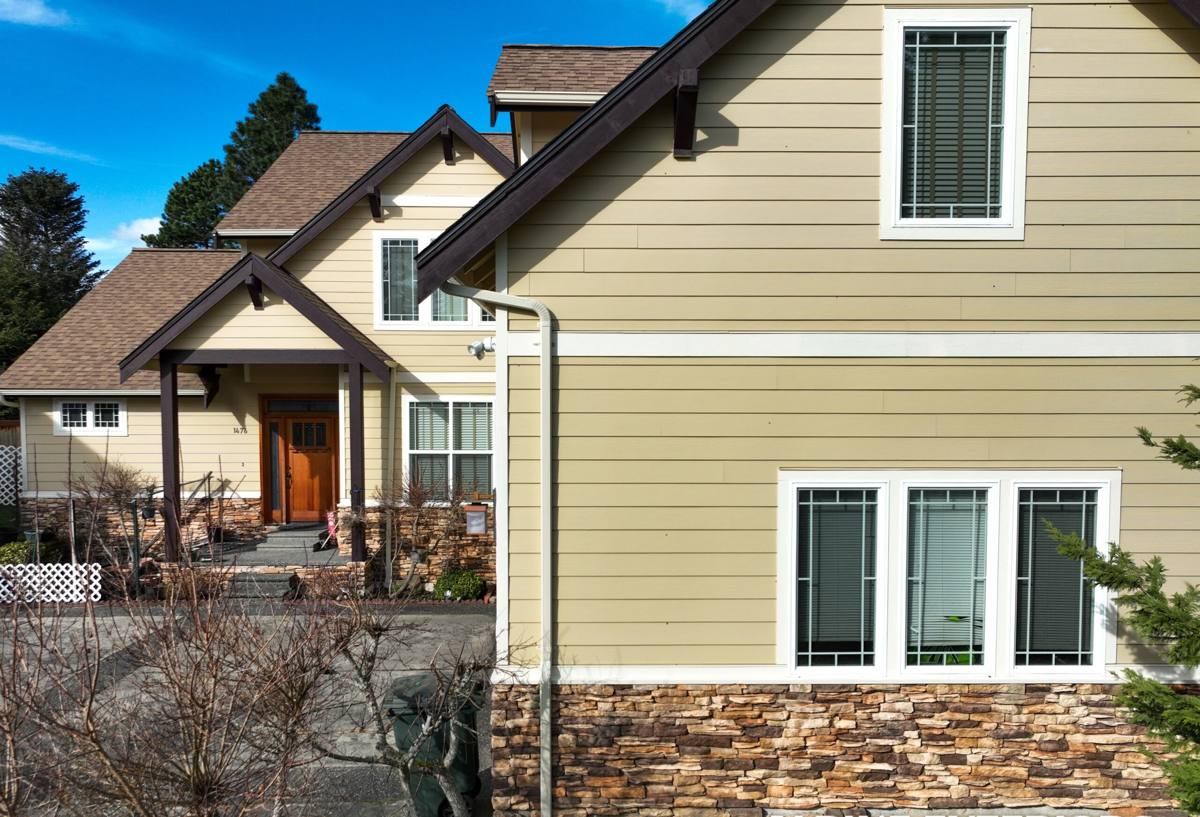
What Salt Air and Bay Wind Actually Do to Siding
Salt air is corrosive and it's persistent — it doesn't take a direct beachfront lot to matter, and Davis Islands' surrounding water puts nearly every home in that zone. Over years, airborne salt accelerates the breakdown of fasteners, trim, and any siding material that isn't built to resist it, and it speeds up fading and chalking on painted or coated surfaces. Add in wind coming off open water with fewer trees and buildings to slow it down, and you get more pressure on every seam, joint, and fastener than a typical inland wall assembly sees.
Layer on Florida's UV exposure — among the most intense in the continental U.S. — and you have three forces working on the siding at once: salt corrosion, wind-driven moisture intrusion, and UV degradation of color and surface coatings. Individually, most siding products can handle one of these reasonably well. Handling all three at once, for decades, without cracking, delaminating, or fading unevenly, is a much shorter list.
Where This Shows Up First
- Fading and chalking on south- and west-facing walls that get the most direct sun
- Fastener corrosion and staining, especially on lower walls and near roof-to-wall transitions
- Moisture intrusion at poorly flashed windows, doors, and trim joints after wind-driven rain
- Warping, cupping, or swelling at butt joints and cut edges left unsealed
- Caulk and paint film failing years ahead of schedule on materials not engineered for this exposure
Why We Install Only James Hardie Fiber Cement Here
We don't install vinyl siding, LP SmartSide, Cemplank, Allura, or primed wood products like spruce or cedar. That's not a marketing position — it's a standard we hold because of jobs like the ones we do on Davis Islands, where the exposure is unforgiving and there's little margin for a product that struggles in salt air, high humidity, or sustained wind.
Vinyl can warp and distort in intense heat and direct sun, and in a hurricane-wind environment its impact resistance and fastening tolerances matter more than they do in a calmer climate. Wood-based products — including engineered wood siding — bring an inherent moisture vulnerability: if water gets behind the panel or into a cut edge, the substrate can swell, delaminate, or rot, and salt-humid air makes that moisture exposure more constant, not less. These aren't flaws unique to any one brand; they're structural trade-offs of the materials themselves, and they're trade-offs we'd rather not put on a home that sits this close to open water.
James Hardie fiber cement is non-combustible, dimensionally stable in heat and humidity, and doesn't support rot the way wood-based products can. Its ColorPlus factory-applied finish is baked on under controlled conditions specifically to resist UV fading and chipping better than field-applied paint — a real advantage when a wall is going to take Florida sun for the next 30-plus years. Hardie also engineers its HZ5 product line specifically for humid, high-moisture climate zones like ours, which is a meaningful distinction from a one-size-fits-all siding product.
What a Correct Siding Replacement Involves
The material is only half the equation. A James Hardie job installed wrong will still fail early on an island lot, no matter how good the product is. A correct replacement includes:
Tear-Off and Substrate Check
Full removal of the old siding down to the sheathing, with an inspection for hidden water damage, soft wood, or rot — common on older homes where a prior siding system let moisture in unnoticed for years. Any compromised sheathing gets repaired before anything new goes up; siding installed over a damaged substrate just hides the problem.
Weather-Resistive Barrier
A properly lapped and sealed moisture barrier behind the siding, since this is the layer actually keeping wind-driven rain out of the wall assembly — the siding itself is the first line of defense, not the only one.
Flashing at Every Penetration
Windows, doors, roof-to-wall transitions, and any other penetration need correct flashing detail. This is where most siding-related water intrusion actually starts, and it's the detail most likely to get rushed by a crew unfamiliar with the product or the climate.
Fastening to Manufacturer Spec
James Hardie has specific fastener type, spacing, and placement requirements, and following them affects both wind performance and warranty coverage. Corrosion-resistant fasteners matter even more here given the salt air.
Caulking and Joint Treatment
Proper joint treatment at butt seams and trim intersections, using products compatible with both the siding and Florida's humidity and UV — cutting corners here is one of the most common causes of early failure.
Our Process for a Davis Islands Project
We walk every job the same way, adjusted for the site: assess the existing siding and substrate condition, confirm the right James Hardie product and profile for the home, handle permitting, protect landscaping and adjacent surfaces during tear-off, install to manufacturer spec, and do a final walkthrough before we call it done. On an island lot, we also plan around tighter driveways and lot access, staging material efficiently since a return trip across the bridge isn't a quick fix mid-job.
Matching the Character of Older Island Homes
Davis Islands has a mix of housing stock, including a number of older homes with more architectural detail than a typical newer subdivision — decorative trim, varied rooflines, and in some cases historic-influenced design elements. James Hardie's product range gives us room to match that: lap siding in multiple exposures, shingle-style panels, and HardieTrim boards for corners, fascia, and window and door surrounds, all available in factory-finished ColorPlus colors or as primed product for custom paint matching. Replacing siding on a home with real architectural character means matching reveal, trim profile, and proportion, not just swapping in whatever's fastest to install.
What Drives the Cost
Every project is different, but the same handful of factors drive most of the cost variation we see on island and waterfront homes:
| Factor | Why It Matters Here |
|---|---|
| Substrate condition | Hidden moisture damage from a prior siding system adds repair work before new siding can go up |
| Home size and wall complexity | More corners, trim detail, and roof intersections mean more labor and material |
| Siding profile and finish | Custom trim work and specialty profiles cost more than standard lap siding |
| Site access | Tight island lots and limited staging space can affect labor efficiency |
| Permitting requirements | Local permitting and any applicable review adds time and coordination |
What to Ask Before You Hire
Not every contractor who "does siding" is set up to do it right in this environment. Before hiring anyone for a Davis Islands siding project, ask:
- Are you manufacturer-certified or specifically trained to install James Hardie fiber cement?
- Will you inspect and repair the sheathing before installing new siding, not just over it?
- What fastener type and spacing will you use, and is it to manufacturer spec?
- How do you handle flashing at windows, doors, and roof transitions?
- Do you carry current licensing and insurance, and can you provide proof?
- Have you worked on Tampa Bay waterfront or island properties before, and do you understand local permitting?
Why a Crew That Already Works Davis Islands Matters
Familiarity with a specific area isn't just convenience — it affects the quality of the work. A crew that's done siding on Davis Islands and similar Tampa Bay waterfront neighborhoods already understands the wind and moisture exposure firsthand, knows how to work efficiently on tight island lots, and isn't guessing at flashing and fastening decisions that matter more here than they would inland. That local track record, combined with installing a single product system we know well and stand behind, is what lets us do this work consistently instead of treating every job as a one-off experiment.
If your Davis Islands home needs new siding — or you're not sure whether it does yet — we're happy to take a look and give you a straightforward, no-pressure estimate using the form below.