 Tampa Siding
 Siding Replacement Built for Plant City's Climate
Plant City sits inland from Tampa Bay in Hillsborough County, but "inland" doesn't mean "protected." Homes here still take a beating from hurricane-force wind gusts during storm season, wind-driven rain that gets pushed sideways into wall assemblies, and some of the most intense year-round UV exposure in the country. Add in Florida's humidity, which never really goes away, and you have a climate that is genuinely hard on exterior siding — regardless of what the siding is made of.
A lot of the siding replacement calls we get in Plant City aren't from one dramatic storm. They're from years of small compromises: a siding product that wasn't rated for this climate, an installation that skipped a flashing detail, or paint and caulk that gave out under the sun years before the manufacturer's warranty said it should. Replacing siding correctly here means designing for those realities up front, not just matching what was on the house before.
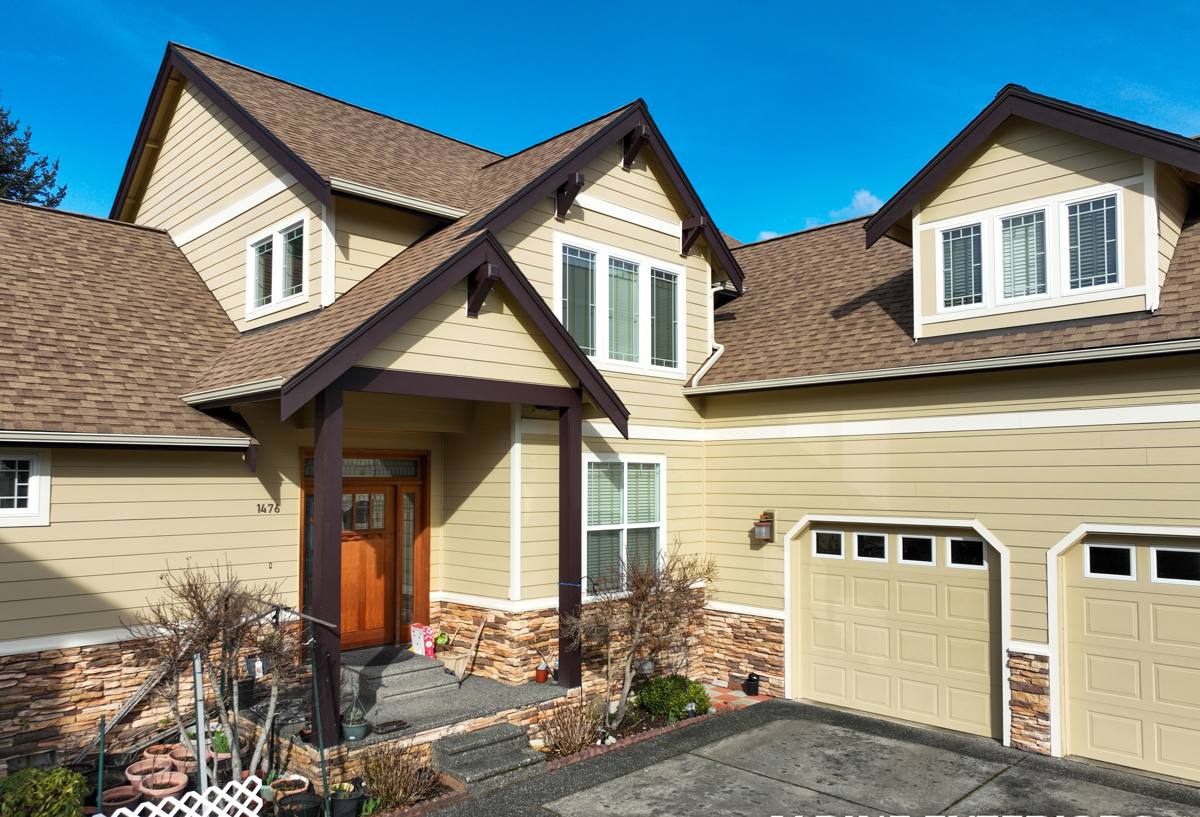
Signs a Plant City Home Needs Siding Replacement, Not Just Repair
Homeowners often ask whether a problem area can just be patched. Sometimes it can. But there are signs that point to a full replacement being the more honest answer:
- Soft, spongy, or crumbling siding when pressed — usually a sign moisture has gotten behind the material
- Visible warping, buckling, or panels pulling away from the wall, common after repeated wind exposure
- Paint that's peeling or bubbling across large sections rather than one isolated spot
- Persistent staining, streaking, or a chalky residue that keeps returning after cleaning
- Soft spots or discoloration on interior walls near exterior corners, which often means water has already found a way in
- Siding that's simply reached the end of its realistic service life for this climate, even if it looks okay from the street
If more than one of these shows up on the same wall, or the damage is spread across multiple sides of the house, it's usually cheaper in the long run to replace that section properly than to keep patching around a failing system.
Why the Damage Pattern Matters
Where the damage shows up tells us something. Siding failing mostly on the sides of the house that face open sky or take the brunt of storm winds points to a wind and rain intrusion problem. Damage concentrated near the ground points to splash-back and moisture wicking. Damage that's uniform across the whole house, especially fading and chalking, usually points to UV breakdown of the material itself. We look at the pattern before we quote a job, because it changes what the correct fix actually is.
Why We Install Only James Hardie Fiber Cement
Tampa Siding Co made a decision a long time ago to install one siding system: James Hardie fiber cement. We don't install vinyl, LP SmartSide, Cemplank, Allura, or primed wood products like spruce or cedar. That's not a marketing line — it's a standard we hold ourselves to because of what we've seen this climate do to exterior materials over time.
Vinyl siding softens, warps, and can pull loose from fasteners in sustained high winds, and it has no fire resistance to speak of. Wood-based and engineered wood siding products need consistent maintenance to keep moisture out of the substrate, and Florida's humidity doesn't give that maintenance schedule much margin for error. Fiber cement products from other manufacturers exist, but James Hardie's HZ5 climate-engineered line is specifically formulated for high-humidity, high-heat regions like ours, and their factory-applied ColorPlus finish is baked on and warranted against fading in a way field-applied paint isn't.
None of this means other products are worthless everywhere — they're just not what we're willing to put our name behind on a Hillsborough County roof line.
What James Hardie Gets Right for This Area
| Concern | How Hardie's HZ5 System Addresses It |
|---|---|
| Wind-driven rain | Engineered moisture-managed installation system with rigid panels that hold their shape and seal |
| UV and heat fading | ColorPlus factory finish is baked on and backed by its own finish warranty |
| Hurricane-force wind | Non-combustible fiber cement panels rated for high-wind zones when fastened to spec |
| Humidity and pests | Fiber cement doesn't rot, swell, or attract termites the way wood-based products can |
| Salt air exposure | Resists corrosion-driven degradation better than untreated wood or lower-grade composites |
What a Correct Siding Replacement Job Actually Involves
The siding itself is only part of the job. Most siding failures we open up in this area trace back to something behind the panels, not the panels themselves. A correct replacement means addressing the whole wall assembly, not just swapping the visible layer.
Tear-Off and Inspection
We remove the old siding down to the sheathing and inspect for hidden rot, soft spots, or prior water damage. Any compromised sheathing gets replaced before anything new goes up — covering damaged wood with new siding just hides the problem for the next owner to find.
Weather Resistive Barrier and Flashing
A proper weather-resistive barrier goes on before the siding, and flashing gets installed at every window, door, and penetration point. This is the layer that actually stops wind-driven rain from reaching your framing, and it's also the step most likely to get rushed on a lower-bid job.
Fastening to Manufacturer Spec
James Hardie publishes specific fastening patterns and clearances for high-wind regions. Following that spec — correct nail placement, proper clearance from the ground and roofline, correct overlap at seams — is what actually gives the siding its wind rating. Skipping steps here doesn't show up on day one; it shows up during the next major storm.
Trim, Caulking, and Finish Detail
Corner boards, trim, and caulking at joints are where a lot of long-term failures start if they're rushed. We finish these details the way the manufacturer specifies, not the way that's fastest.
Our Process for Plant City Projects
Because we work throughout Hillsborough County, we already understand the mix of housing stock in Plant City — from older homes with original siding well past its service life to newer construction where a previous installation simply wasn't done to spec. Our process stays consistent regardless of the house:
- On-site inspection and honest assessment of what's driving the current damage
- Written estimate that separates material, labor, and any sheathing repair as its own line item
- Scheduling that accounts for Florida's storm season, so timing doesn't leave your home exposed mid-project
- Full tear-off, sheathing repair as needed, weather barrier, and flashing installation
- Hardie panel installation to manufacturer fastening spec for high-wind regions
- Final walkthrough before we consider the job finished
Choosing the Right Hardie Product Line
James Hardie makes several product lines, and the right one depends on the look you want and the wall assembly underneath. HardiePlank lap siding is the most common choice for a traditional horizontal look and works well on most Plant City home styles. HardiePanel is used for vertical or board-and-batten looks, often on accent walls or gables. HardieShingle gives a shake-style texture where that fits the home's design. All of them are available in the HZ5 formulation appropriate for our climate zone, and all carry the factory ColorPlus finish option so you're not relying on field-painted color to hold up under Florida sun.
What Affects the Cost of a Siding Replacement
Every home is different, and we're not going to quote a number without seeing the property, but these are the factors that most often move the price up or down:
| Factor | Why It Matters |
|---|---|
| Extent of hidden sheathing damage | Rot found during tear-off has to be repaired before new siding goes on |
| Home's overall square footage and wall complexity | More corners, gables, and trim detail mean more labor and material |
| Product line and profile chosen | Lap, panel, and shingle styles have different material and install costs |
| Existing siding removal difficulty | Multiple layers of old siding or extensive fastening add tear-off time |
| Trim, fascia, and soffit work bundled in | Addressing these at the same time avoids paying for access twice |
Questions to Ask Before You Hire
Siding replacement is a big investment, and the quality of the installation matters as much as the product. Before you hire anyone for a Plant City project, it's worth asking:
- Are you licensed and insured to do exterior work in Hillsborough County?
- Will you inspect and repair sheathing damage before installing new siding, or just cover it?
- What weather-resistive barrier and flashing details will you use, specifically?
- Will fastening follow the manufacturer's published high-wind installation spec?
- Can you show me the written warranty — both on materials and on your labor?
- Do you have experience working this specific product line in this climate?
A contractor who answers these clearly and specifically, rather than in vague reassurances, is generally one who takes the installation details seriously.
Ready for a Straight Answer About Your Siding?
If your Plant City home is showing signs of siding wear — or you just want an honest opinion on whether repair or replacement makes more sense — we're happy to take a look. Fill out the form below for a free, no-pressure estimate and we'll walk you through exactly what we find and why.