 Tampa Siding
 Why South Tampa Puts Extra Demands on a Window
South Tampa sits close enough to the water that its homes take on a combination of stresses most inland houses never deal with. Hurricane-force wind events are a real possibility every season, the sun is intense and nearly constant, wind-driven rain gets pushed sideways into wall assemblies during storms, and the salt air off Tampa Bay slowly works on anything metal that isn't built to resist it. A window that's fine in a drier, calmer climate can fail here years before it should — not because it was a bad window, but because it was never engineered for this combination of loads.
Custom windows let us match the frame material, glass package, and installation method to what a specific South Tampa home actually needs, instead of forcing a stock size and spec into an opening it wasn't designed for. That matters more here than in most parts of the country, and it's the whole reason "custom" is worth paying for in Hillsborough County.
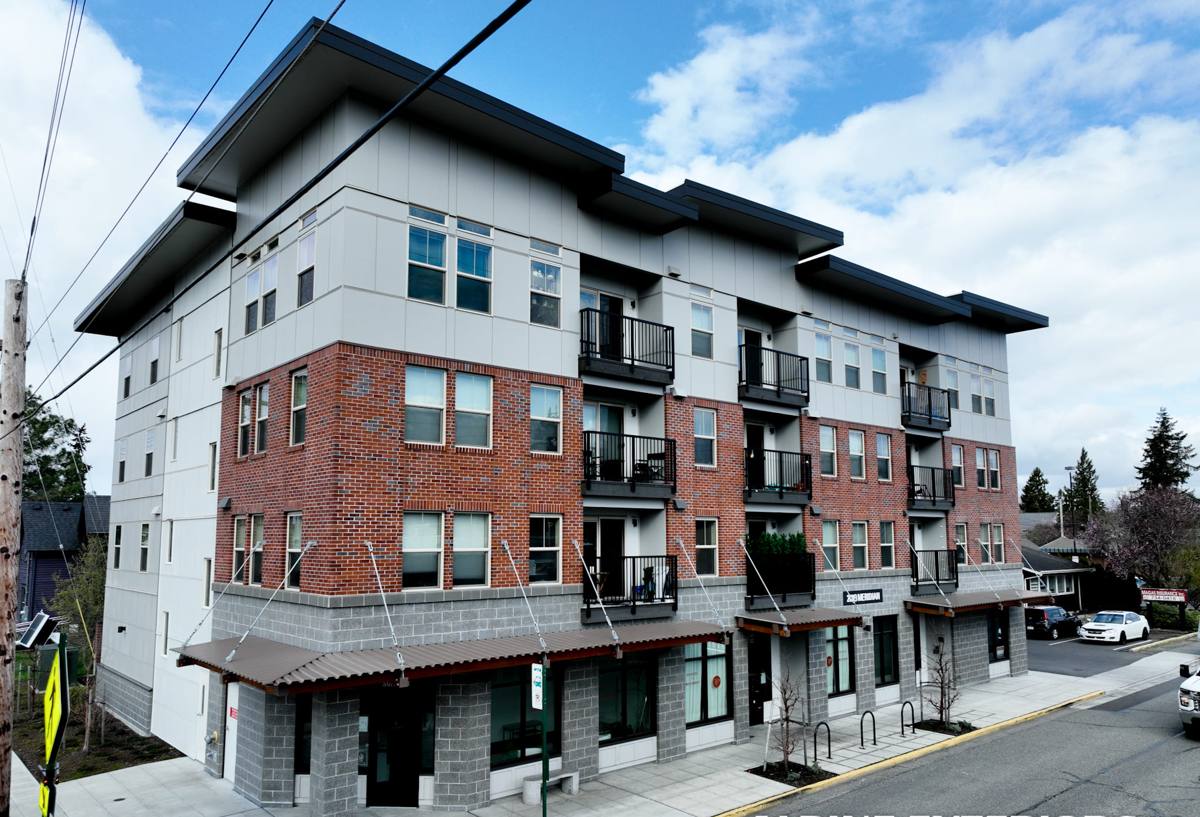
What South Tampa Homes Need From Their Windows
Wind and impact resistance
Hillsborough County sits within Florida's coastal wind-borne debris region, which means many South Tampa properties are required — or strongly benefit from — impact-rated glazing or an approved protective system, depending on the home's specific location, elevation, and age of construction. Even where code doesn't mandate it, impact glass adds a real layer of protection against flying debris during a named storm, and it typically comes with better sound dampening as a side benefit.
UV exposure
Florida sun is hard on window components year-round, not just in summer. Vinyl can chalk or discolor, seals can dry out and crack early, and interior furnishings fade faster behind glass without a proper Low-E coating. A correctly specified glass package cuts down on both heat gain and UV transmission without darkening the view more than a homeowner wants.
Wind-driven rain
Tropical systems in this area rarely deliver rain straight down — it comes in sideways, under pressure, looking for any gap in flashing or sealant. Most window "leaks" homeowners deal with after a storm aren't glass failures at all; they're installation failures where flashing, sealant, or pan flashing wasn't done correctly the first time.
Salt air corrosion
Proximity to Tampa Bay means airborne salt settles on and around window hardware, fasteners, and frames. Lower-grade aluminum components and unprotected fasteners corrode noticeably faster here than they would twenty or thirty miles inland, which is why frame material and hardware selection deserve real thought rather than defaulting to whatever's cheapest.
Signs Your Current Windows Are Losing the Battle
- Fogging or a permanent haze between the panes (a failed seal on double-pane glass)
- Visible daylight or a draft around the frame when it's closed and locked
- Difficulty opening, closing, or locking — frames can warp from heat and moisture cycling
- Soft or discolored wood, drywall, or trim around the window opening
- Chalky, pitted, or corroding hardware and frame surfaces
- A noticeable jump in cooling costs with no other explanation
- Rattling or whistling during windy weather
Any one of these on its own might just need a repair. Several at once, especially on windows original to an older South Tampa home, usually means the assembly has reached the end of its useful life.
What a Correct Custom Window Job Actually Involves
"Custom" doesn't just mean the window is built to an odd-sized opening. It means every part of the specification is chosen for that specific house, that specific elevation, and that specific budget — not pulled from a one-size-fits-all catalog order.
Accurate measurement and opening assessment
Every opening gets measured individually, and we check the condition of the framing, sill, and any existing water damage before ordering anything. On older South Tampa homes especially, openings are rarely perfectly square, and skipping this step is how homeowners end up with a window that technically fits but never seals right.
Frame material selection
We talk through the real trade-offs between vinyl, aluminum, fiberglass, and wood-clad options for the home's specific exposure — a window on a shaded, protected wall doesn't need the same spec as one facing open water or prevailing wind.
Glass package
Impact-rated laminated glass, Low-E coatings, and gas fills (argon or similar) all get selected based on the home's orientation, code requirements for that address, and the homeowner's priorities around energy cost, noise, and storm protection.
Flashing and installation method
This is where most window problems actually originate, not in the product itself. Proper pan flashing, sealant sequencing, and integration with the existing wall assembly are what keep wind-driven rain out during the next storm — and it's the step that's hardest to fix after the fact, since it's hidden once the window is trimmed out.
Permitting
Window replacement in Hillsborough County and the City of Tampa generally requires a permit, and impact-rated products need to match their approved specifications on file. We handle the permit and inspection process as part of the job so nothing gets missed.
Choosing a Frame Material for This Climate
| Material | Wind & Salt Air Behavior | Maintenance | Typical Cost Range* |
|---|---|---|---|
| Vinyl | Good corrosion resistance; can soften or discolor under sustained intense sun if lower grade | Low — no painting, occasional cleaning | $ |
| Aluminum | Strong for wind loads; needs a quality finish to resist salt-air corrosion long-term | Low to moderate | $$ |
| Fiberglass | Excellent dimensional stability in heat; very good corrosion resistance | Low | $$$ |
| Wood-clad | Best appearance for historic-style homes; cladding protects wood from moisture and salt air if properly detailed | Moderate — cladding and seals need periodic inspection | $$$$ |
*Relative cost only — actual pricing depends on size, glass package, impact rating, and access. We'll give you real numbers for your specific openings during a free estimate.
There's no single "best" material for every South Tampa home. A vinyl or aluminum window with a good glass package is often the most sensible choice for straightforward openings, while fiberglass or wood-clad makes more sense on a home where appearance, longevity, or an unusually demanding exposure justifies the added cost.
Our Custom Window Process
- On-site assessment — we look at every opening, existing framing condition, and the home's exposure before recommending anything.
- Honest options — we walk through frame, glass, and impact-rating choices with real trade-offs, not a single upsell pitch.
- Accurate measurement and order — windows are built to the actual opening, not a nominal stock size.
- Permitting — we pull the required permit through the local jurisdiction and schedule inspections.
- Removal and installation — old windows come out carefully to protect surrounding finishes; new units go in with correct flashing and sealant sequencing.
- Final inspection and walkthrough — we confirm proper operation, sealing, and a clean job site before we consider the work done.
Why Local Installation Experience Matters Here
A window is only as good as the installation around it, and installation quality is where local experience actually shows up. A crew that regularly works South Tampa homes already knows how the county's permitting process runs, what inspectors look for, and how older housing stock in this area tends to be framed — which means fewer surprises and fewer callbacks. They've also already seen how different frame materials and finishes actually hold up a few years in against this specific mix of sun, wind, and salt air, rather than relying on a manufacturer's general claims.
That local track record is also why we're comfortable standing behind the work. We're not guessing at how a product performs in this climate — we've installed and followed up on this kind of work in this exact area.
Caring for New Custom Windows in a Coastal Climate
- Rinse frames and hardware periodically to remove salt residue, especially after storms with onshore wind
- Check and re-lubricate locks and rollers on operable windows once or twice a year
- Inspect exterior sealant lines annually and have any cracking addressed before the next rainy season
- Keep window wells and sills clear of debris so water can drain as designed
- Avoid pressure-washing directly at frame edges and weep holes
None of this is high-maintenance — it's the same basic upkeep any coastal-area home needs, and it goes a long way toward getting the full service life out of a new window investment.
Getting Started
If your current windows are showing their age, letting in more weather or noise than they should, or you're planning ahead for storm season, we're happy to take a look and give you an honest assessment of what your home actually needs. There's no pressure and no obligation — just a straight answer about your options and what they'd cost. Fill out the form below to request a free estimate.