 Tampa Siding
 South Tampa Roofs Work Harder Than Most
A roof in South Tampa isn't just protecting a house from rain. It's holding up against sustained subtropical UV exposure nearly every day of the year, absorbing the impact of wind-driven rain during summer storms, and slowly corroding from the salt air that drifts in off the bay. None of these forces are dramatic on their own, but stacked together over years, they age a roof faster than the same material would age almost anywhere else in the country.
That's the real argument for a new roof installation done correctly the first time. A roof that's installed to a lower standard, or with shortcuts that don't show up until the next hurricane season, ends up costing a South Tampa homeowner far more in repairs, leaks, and early replacement than it saved going in.
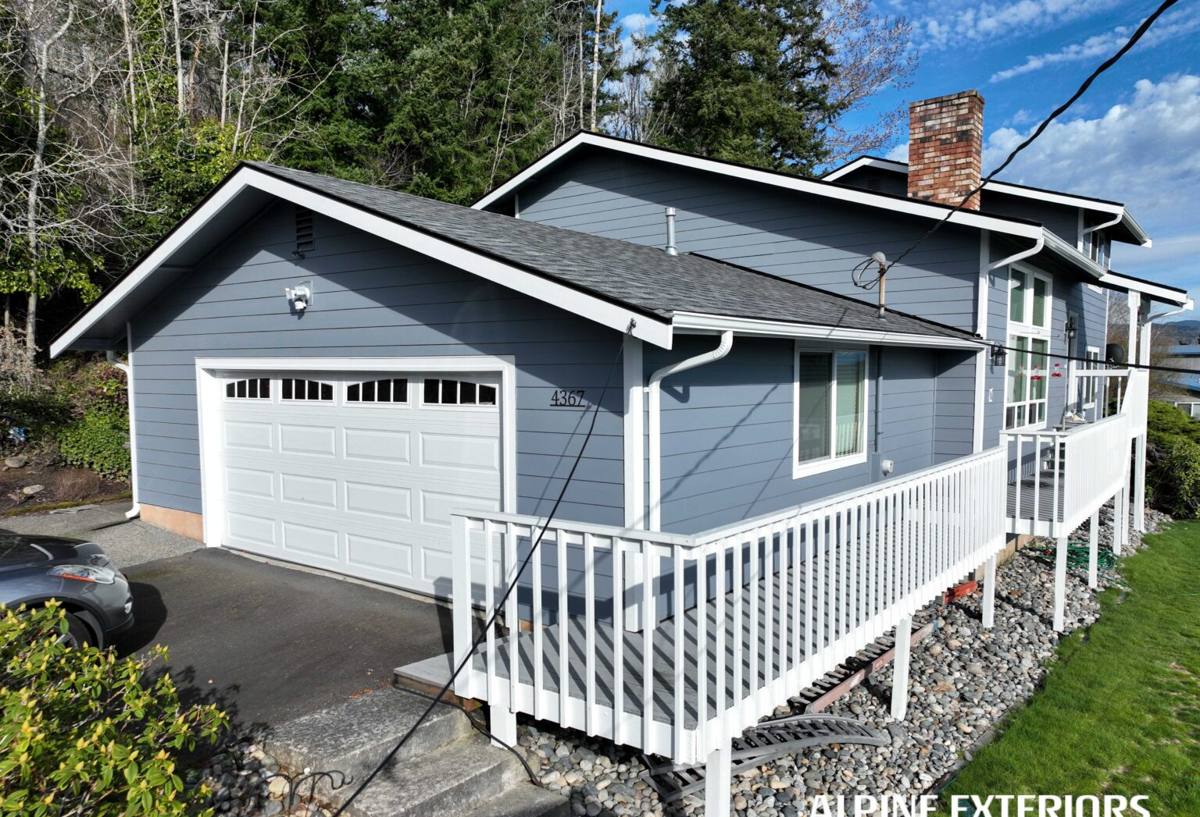
What Hurricane Winds, UV, and Salt Air Actually Do to a Roof
Wind Uplift
Hillsborough County sits in a wind zone where roofs are engineered and inspected for uplift resistance, not just weather resistance. Shingles, underlayment, and fasteners all have to work together as a system. A roof that looks fine from the ground can still be under-fastened at the edges and ridgelines — the exact spots where wind pressure concentrates first in a tropical storm or hurricane.
UV Breakdown
Florida sun is relentless. Asphalt shingles lose their oils and granules faster under constant UV exposure, which is why the same shingle rated for 25-30 years up north often performs closer to the lower end of that range here. Materials matter, but so does ventilation — a hot, poorly ventilated attic bakes a roof from underneath as much as the sun bakes it from above.
Wind-Driven Rain
Florida storms rarely drop rain straight down. Wind pushes it sideways and up under shingle edges, flashing, and roof penetrations. This is why underlayment and flashing details matter as much as the shingle or roofing material itself — most Tampa roof leaks start at a flashing point, not in the middle of a roof field.
Salt Air
South Tampa's coastal exposure means metal components — flashing, fasteners, vents, drip edge — are exposed to salt-laden air that accelerates corrosion. Choosing corrosion-resistant metal and fastener grades isn't optional here; it's part of building a roof that lasts its full expected life.
What a Correct New Roof Installation Actually Involves
A proper roof replacement is a system, not a single product. Skipping or rushing any one layer weakens the whole assembly, even if the shingles on top look perfect.
- Full tear-off down to the decking — never installing a new layer over old roofing
- Inspection and repair of the roof deck itself, replacing any soft, rotted, or delaminated plywood
- A properly lapped, storm-rated underlayment as the roof's secondary water barrier
- New flashing at every valley, wall intersection, chimney, and penetration — not reused flashing
- Correct nailing pattern and fastener count for the local wind zone, not just manufacturer minimums
- Balanced intake and exhaust attic ventilation
- Drip edge and starter strip installed to manufacturer and code specification
- Final cleanup, including a magnetic sweep for stray nails and debris removal
Roofing Material Options for South Tampa Homes
There's no single "best" roofing material — the right choice depends on the home's structure, roof pitch, budget, and how long the homeowner plans to stay in the house. Here's how the common options compare for a South Tampa property.
| Material | Typical Lifespan Here | Wind Performance | Maintenance |
|---|---|---|---|
| Architectural asphalt shingle | 18-25 years | Good, when properly fastened for the wind zone | Low to moderate; periodic inspection after storms |
| Standing seam metal | 40+ years | Excellent uplift resistance | Low; watch fastener and sealant points over time |
| Concrete or clay tile | 30-50 years | Very good when properly attached; underlayment is the weak point | Moderate; underlayment often needs replacement before the tile does |
| 3-tab asphalt shingle | 12-18 years | Lower wind rating than architectural shingles | Low, but shorter service life in this climate |
We'll walk through these trade-offs honestly during your estimate — including where a lower upfront cost material might mean a shorter lifespan given the sun and storm exposure a South Tampa roof actually sees.
How Our Installation Process Works
1. Inspection and Estimate
We get on the roof, not just look at it from the driveway. That means checking the decking condition where accessible, existing ventilation, flashing points, and any signs of past leaks before we write up a scope of work.
2. Permitting and Wind Mitigation Documentation
New roof installations in Hillsborough County require a permit and inspection, and the work has to meet current Florida Building Code wind provisions for our zone. We handle the permitting and provide the wind mitigation documentation homeowners need for insurance purposes once the job is complete.
3. Tear-Off and Deck Repair
Old roofing comes off completely. We inspect every section of decking as it's exposed and replace any wood that's soft, delaminated, or storm-damaged before anything new goes down — you'll know about deck repairs before we move forward, not find them buried in a change order later.
4. Underlayment, Flashing, and Material Installation
This is where most of the roof's real storm resistance gets built in — underlayment lapped and sealed correctly, new flashing at every transition, and the roofing material installed to the fastening schedule required for our wind zone.
5. Final Walkthrough and Cleanup
We do a final inspection, sweep the property for debris and nails, and go over the finished roof with the homeowner before we consider the job done.
Signs a South Tampa Roof Needs Replacing, Not Patching
Not every roof problem means a full replacement — but these are the signs that patching is likely just delaying a bigger repair bill:
- Shingles that are cracked, curling, or losing granules across large sections of the roof, not just one spot
- Soft spots or visible sagging anywhere in the roof deck
- Repeated leaks in different locations after storms, even after past repairs
- Daylight visible through the attic roof boards
- A roof approaching or past the upper end of its material's expected lifespan in this climate
- Missing or corroded flashing around chimneys, walls, or vents
- Granules collecting in gutters after every rain
Cost Factors for New Roof Installation
Every roof is priced on its own specifics, but these are the variables that move the number most:
| Factor | Why It Matters |
|---|---|
| Roof size and number of facets | More square footage and more valleys/hips mean more material and labor |
| Roof pitch and access | Steep or hard-to-access roofs require more safety equipment and time |
| Decking condition | Rotted or delaminated plywood found during tear-off adds material and labor |
| Material choice | Shingle, metal, and tile carry very different material and labor costs |
| Ventilation upgrades | Adding or correcting intake/exhaust ventilation adds a modest cost but extends roof life |
| Permit and code requirements | Wind zone fastening requirements affect labor time regardless of material |
We'll break down where your estimate's cost is actually going — material, labor, deck repair contingency, permitting — so there are no surprises once tear-off starts.
Why a Crew That Already Works South Tampa Makes a Difference
Roofing crews that work South Tampa regularly already know the county's permitting process, the wind mitigation documentation insurers expect to see, and the flashing and ventilation details that actually hold up against wind-driven rain here — not just in a manual written for a different climate. That familiarity shows up in fewer surprises during the job and a roof that's built for the conditions it will actually face, not generic ones.
It also matters after the job is done. A local crew is reachable if a question comes up after the first big storm, rather than a name from an out-of-town crew that moved on to the next state.
Caring for Your Roof After Installation
A correctly installed roof still benefits from basic upkeep. Keep gutters clear so water isn't backing up under the roof edge, trim back overhanging branches that can abrade shingles or drop debris during storms, and have the roof visually checked after any major wind event. Most manufacturer warranties also expect the attic ventilation to stay clear and functional, so it's worth keeping an eye on that as well.
If you're weighing a new roof for a South Tampa home, we're happy to take a look and give you a straightforward, no-pressure estimate — just fill out the form below and we'll get in touch.