 Tampa Siding
 Why South Tampa Siding Takes a Beating
South Tampa sits close to Tampa Bay, Hillsborough Bay, and Old Tampa Bay, which means many homes in the area deal with a combination of weather stress that inland Hillsborough County properties don't face nearly as often. Siding here isn't just protecting a house from rain — it's standing up to hurricane-force wind gusts, wind-driven rain that gets pushed sideways into seams and joints, intense year-round UV exposure, and a steady dose of salt-laden air. Any one of these on its own would age a siding system. Together, they compound.
Wind and storm impact
Tropical systems and seasonal squalls don't just rattle siding — sustained wind loads and gusts can work fasteners loose, crack brittle or improperly installed panels, and pry up butt joints and corners that weren't sealed and fastened to spec in the first place. Wind-driven rain is the bigger long-term threat: it doesn't need a direct hit to cause damage, just a gap, a failed caulk joint, or a lifted seam to start working moisture behind the siding.
UV and heat
Florida sun is relentless, and South Tampa gets it in full. UV breaks down paint films, fades unprotected finishes, and dries out caulking faster than in most parts of the country. Siding facing south and west typically shows fading, chalking, and joint failure years before north-facing walls on the same house.
Salt air and humidity
Proximity to open water means airborne salt settles on exterior surfaces, and combined with Tampa's humidity, it accelerates corrosion of fasteners, trim, and any metal flashing components. It also speeds up the breakdown of finishes not engineered for coastal exposure, which is a major reason material choice matters as much as workmanship when repairs are done.
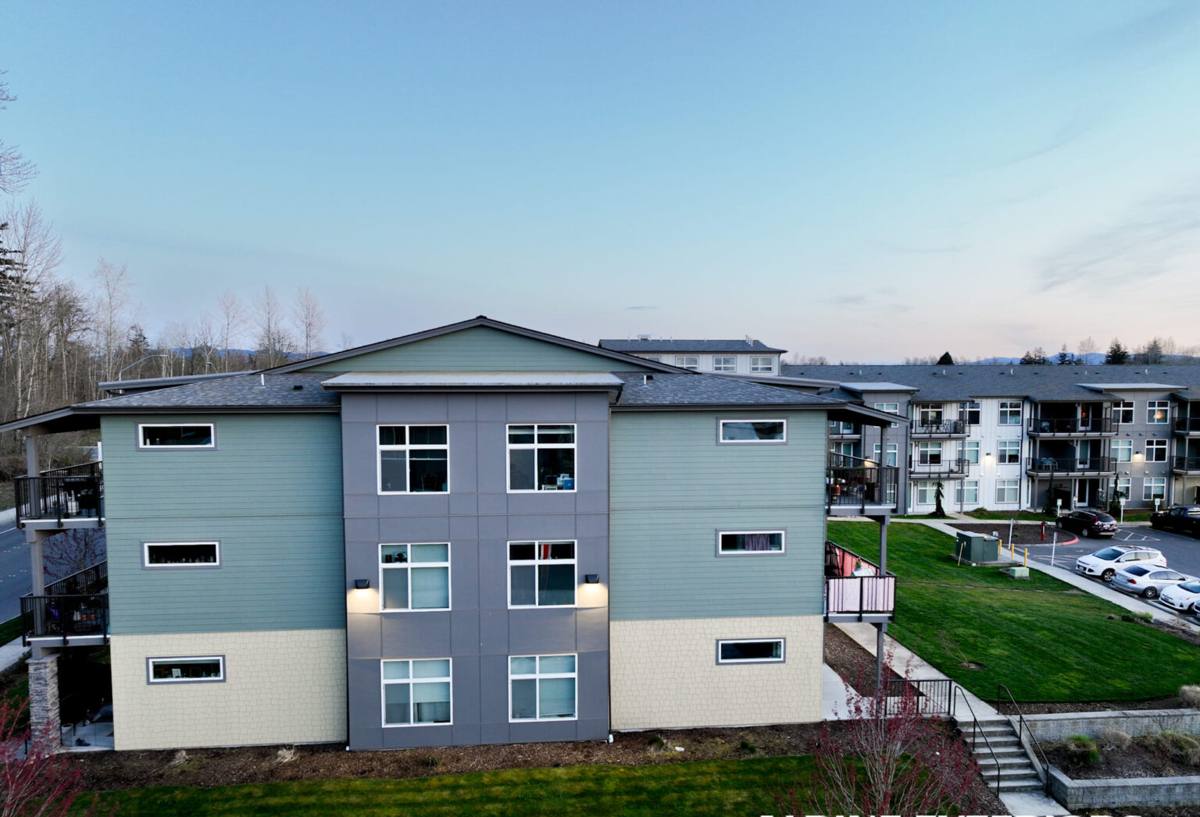
Signs Your South Tampa Home Needs Siding Repair
Most siding problems don't show up as one dramatic failure — they show up as a handful of small signs that, if ignored, turn into bigger and more expensive repairs. Walk your exterior periodically and look for:
- Cracked, split, or visibly warped boards or panels, especially near corners and window trim
- Soft spots when you press on the siding, which usually means moisture has gotten behind it
- Peeling or bubbling paint, or chalky residue that wipes off on your hand
- Gaps at seams, joints, or where siding meets trim, windows, or doors
- Staining or streaking that suggests water is running behind the siding rather than off of it
- Loose or missing fasteners, or panels that flex or rattle in wind
- Visible rust bleed from fastener heads or trim components
- Increased pest activity around the base of walls, a common sign of underlying rot
None of these mean you automatically need a full re-side. But they do mean the siding needs a proper inspection before the next big storm finds the weak point for you.
Repair or Replace? How We Make the Call
Not every damaged section needs a full replacement, and not every home is a good candidate for spot repair. The right call depends on how much of the wall is affected, what's underneath the siding, how old the existing material is, and whether the damage is isolated or a symptom of a system-wide problem — like siding that was never properly flashed or fastened to begin with.
Different siding materials also behave very differently once repair becomes necessary, which affects both cost and long-term outcome:
| Material | Repair Behavior in Tampa's Climate | Color/Finish Matching |
|---|---|---|
| Vinyl | Can become brittle with UV exposure over time; cracks under wind load rather than flexing | Fades unevenly, so older panels rarely match new stock |
| Engineered wood (e.g., LP-type products) | Vulnerable to moisture intrusion at cut edges and seams; humidity accelerates swelling and delamination if the factory seal is compromised | Field-applied finishes weather differently across sections, making seamless matching difficult |
| Untreated or primed wood/cedar | Needs the most ongoing maintenance; humidity and salt air shorten the window between repaints | Repainting the repaired area to match sun-faded originals is an ongoing task |
| James Hardie fiber cement | Non-combustible and dimensionally stable; holds up to wind-driven rain and humidity far better than wood-based products when installed to spec | Factory-applied ColorPlus finish is engineered for UV and coastal exposure, so replacement boards from current stock match far more consistently |
This is exactly why, when a repair area is extensive or the existing material is failing broadly rather than in one isolated spot, we'll tell you honestly whether patching it is really the better long-term value — or whether you're better off replacing that section, or the whole elevation, with a product built for how South Tampa actually punishes exterior materials.
What a Correct Siding Repair Actually Involves
A repair that just swaps a damaged board without addressing what caused the damage is a repair that fails again. Done correctly, siding repair in this climate means:
- Removing damaged material carefully to expose the water-resistive barrier and framing underneath
- Inspecting for hidden moisture damage, rot, or compromised sheathing before anything goes back on
- Repairing or replacing the underlying moisture barrier and flashing at windows, doors, and penetrations — this is where most future leaks actually start
- Correcting the root cause, whether that's a fastening pattern that was too loose, a missing kick-out flashing, or a joint that was never properly sealed
- Installing matching or replacement material with proper clearances, fastening, and sealant appropriate for wind and moisture exposure
- Finishing and blending the repaired area so it holds up — and looks right — alongside the rest of the wall
Skipping steps two through four is the most common shortcut in siding repair, and it's why the same spot on a house often gets "fixed" more than once.
Our Process for South Tampa Repairs
We start with an honest, in-person inspection — not a quick look from the driveway. That means checking behind accessible siding sections, testing for soft spots across the whole elevation (not just the obvious damage), and looking at flashing details around windows, doors, and roof lines where wind-driven rain typically finds its way in. We'll walk you through exactly what we find, what's causing it, and what your realistic options are, including straightforward repair when that's genuinely the right call.
If a full section or wall does need replacement, our installation is James Hardie fiber cement — it's the only siding product we install, because it's the one we're willing to stand behind for Tampa's combination of wind, sun, and salt exposure. We won't push a full re-side when a targeted repair will do the job.
Why Hiring a Crew That Already Works in South Tampa Matters
Siding repair here isn't the same job as siding repair in a drier, calmer climate. A crew that regularly works South Tampa homes already understands the wind exposure requirements that apply to exterior work in coastal Hillsborough County, knows how to detail flashing and fastening for wind-driven rain rather than just for looks, and is familiar with the permitting process the City of Tampa and county require for exterior repair work. That local familiarity shows up in fewer surprises, fewer inspection delays, and a repair that's actually built for the next storm season rather than the average forecast.
Cost Factors in Siding Repair
Siding repair costs range widely — a small patch to address isolated impact damage can run a few hundred dollars, while extensive board replacement, hidden moisture damage, or a full elevation can run into the thousands. The real cost drivers are:
| Factor | Why It Affects Cost |
|---|---|
| Extent of visible damage | A single board is a different job than damage spread across a wall or multiple elevations |
| Hidden moisture or rot | Damage behind the siding often costs more to correct than the siding itself |
| Material match | Matching older, sun-faded siding can require more extensive replacement to avoid a patchwork look |
| Accessibility | Second-story sections, tight side yards, or areas near landscaping take more time and equipment |
| Flashing and moisture barrier work | Correcting the underlying cause of the failure, not just the surface symptom, adds labor but prevents repeat repairs |
Protecting Your Repair Long-Term
Once a repair is done right, a little routine attention keeps it that way. Rinse salt residue off exterior walls periodically, especially after storms. Keep an eye on caulking at joints and trim, since UV breaks it down faster here than in milder climates. Trim back vegetation that traps moisture against the wall, and do a walk-around inspection each year before hurricane season so small issues get caught while they're still small and inexpensive to address.
When Repair Isn't Enough: Why We Rebuild With James Hardie
There's a point where continuing to patch aging or failing siding stops making financial sense — usually when damage is widespread, the material is near the end of its service life, or the same problem keeps reappearing in different spots. When that point is reached, we replace with James Hardie fiber cement rather than vinyl, engineered wood, or untreated wood products. It's non-combustible, dimensionally stable in Tampa's humidity swings, and finished with a factory-applied ColorPlus system engineered to hold color and resist the fading that UV and salt air cause on field-painted materials. It's also backed by a strong transferable warranty, which matters on a coastal-adjacent property where the siding is doing more work than in most parts of the country.
If your South Tampa home has siding damage, or you're just not sure whether what you're seeing is a quick fix or something bigger, we're happy to take a look. We offer free, no-pressure estimates and will give you a straight answer about what your siding actually needs — use the form below to get started.