 Tampa Siding
 Storm Damage Roof Repair for Hyde Park, Tampa Homes
Hyde Park is one of Tampa's older, more established neighborhoods, sitting close to downtown and Hillsborough Bay, with a housing stock that ranges from early-1900s bungalow and revival-style homes to newer infill construction mixed in throughout. That range matters when a storm comes through, because a repair on a decades-old original roof isn't the same job as a repair on a roof that was replaced five years ago — the materials, the deck condition underneath, and what's available to match all differ. This page covers what storm damage roof repair actually involves for a Hyde Park home specifically: what hurricane-season weather does to a roof here, how to think through repair versus replacement, what a correct repair looks like, and how our process works from the first call to the final walkthrough.
Hillsborough County sees hurricane-force winds, wind-driven rain, and intense, nearly year-round UV exposure, and homes close to the bay pick up salt-laden air on top of that. None of those are occasional stresses — they're the baseline this roof already lives under, which is part of why storm damage here often isn't an isolated event so much as a sudden, visible expression of wear that was already building.
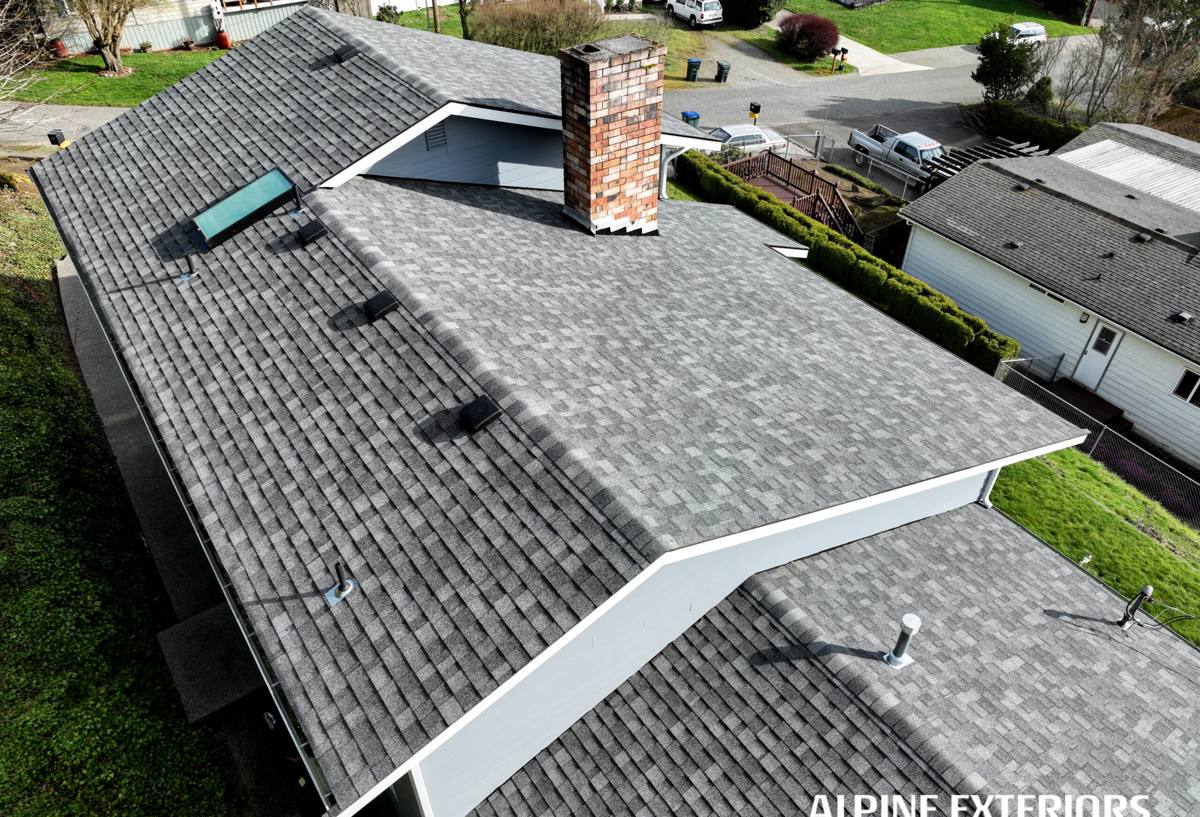
What Hurricane-Season Storms Actually Do to a Hyde Park Roof
Storm damage isn't one thing. Different failure mechanisms show up depending on wind speed, rain direction, and what condition the roof was already in before the storm hit, and knowing which one you're dealing with matters for both the repair and the insurance conversation that follows.
Wind Uplift and Lifted or Missing Roofing Material
Sustained hurricane-force wind creates uplift pressure at roof edges, corners, and ridgelines first, which is why missing or lifted shingles or tiles tend to cluster at those locations rather than spreading evenly across a roof. Once a piece of roofing material lifts even slightly, wind can get underneath it and peel back more material in the same event or the next one, so a handful of lifted shingles after one storm can become a much larger bare patch after the next.
Wind-Driven Rain and Hidden Water Intrusion
Rain being driven sideways by hurricane-force wind doesn't behave like ordinary rainfall. It gets forced up and under shingle tabs, tile laps, and flashing edges that were only ever designed to shed water moving downward. That means a roof can take on water during a storm without losing a single visible shingle or tile, and the first sign of damage might not appear until a ceiling stain shows up days or weeks later. This type of storm damage is the easiest to underestimate from a ground-level look at the roof.
UV and Salt Air: Damage That Was Already Underway
Tampa's intense, nearly year-round UV exposure breaks down sealants, flashing cement, and shingle granules over time, and salt air moving in off Hillsborough Bay accelerates corrosion in fasteners and exposed metal flashing. Neither does dramatic damage on its own, but both quietly reduce a roof's margin for handling a storm. A roof with UV-brittled sealant or corroding fasteners going into a storm has less capacity to shed wind-driven rain and hold material down against uplift, which is why two roofs the same age can come out of the same storm in very different condition.
Repair or Replace? How We Make That Call After a Storm
Not every storm-damaged roof needs full replacement, and not every roof that looks fine from the street should just be patched and left alone. The right call depends on how much of the roof is affected, how old the existing roofing is, and what condition the deck underneath turns out to be once we actually get eyes on it.
| Factor | Points Toward Repair | Points Toward Replacement |
|---|---|---|
| Extent of damage | Damage limited to a small, defined section | Damage spread across a large portion or multiple sections of the roof |
| Age of existing roof | Roof is newer and otherwise in good condition | Roof is already near or past its expected service life |
| Deck condition | Decking underneath is sound once exposed | Decking shows rot, delamination, or repeated past water exposure |
| Material availability | Matching shingle or tile is available or a close match is acceptable | Original material is discontinued and a visible mismatch isn't acceptable to you |
| Code trigger | Damaged area is under the threshold that triggers a full-section upgrade | Damage affects enough of a roof section to trigger current code requirements for that section |
We'll walk you through where your specific roof lands on each of these before recommending either path, and we'll explain the reasoning, not just hand you a number.
What a Correct Storm Damage Repair Involves
A storm repair done right addresses the roof as a system, the same way a full replacement would, just scoped to the affected section.
Emergency Mitigation First
If a roof has active exposure — missing material, a hole, or a compromised area actively letting water in — the first priority is stopping further water intrusion, typically with a tarp or temporary covering secured well enough to hold through additional weather before permanent repair work begins. Skipping this step, or doing it poorly, is how a limited storm event turns into a much larger interior damage claim.
Tearing Off Only the Damaged Section — Correctly
A proper repair removes roofing material back to sound, undamaged material and deck, not just the pieces that are obviously missing. That means checking the deck underneath the affected area for hidden moisture damage before anything new goes back on, since covering over a wet or weakened deck section just hides a problem instead of fixing it.
Matching Materials and Getting Flashing Right
Wherever possible, we match the existing shingle or tile profile and color so the repair blends in rather than standing out as an obvious patch. Flashing at the edges of the repaired section gets particular attention, since a repair's most likely point of future failure is where new material meets old, not in the field of the new material itself.
Meeting Current Code on the Repaired Section
Florida's building code includes provisions that can require a roof section to be brought up to current standards — not just patched like-for-like — once storm damage affects a large enough share of that section. We'll flag if your repair is approaching that threshold before work starts, so it's never a surprise mid-job.
Documenting Storm Damage for Your Insurance Claim
Insurance is often the biggest source of stress in a storm repair, and most of that stress comes from uncertainty about what's needed and when. Photo documentation of the damage before any tarping or repair work begins, a clear written scope of the repair, and an itemized estimate all give an adjuster something concrete to evaluate rather than a verbal description after the fact. We document what we find as part of every storm inspection, which gives you something to bring to your insurer regardless of which contractor ultimately does the work. We're not a public adjuster and we don't manage your claim for you, but a well-documented, clearly scoped repair estimate is one of the more useful things you can hand your insurance company.
How Our Storm Damage Repair Process Works
- Prompt inspection: We get eyes on the roof in person as soon as reasonably possible after a storm, including the attic side where accessible, not just a look from the ground.
- Emergency mitigation if needed: If the roof has active water intrusion, we address that first to limit further damage before anything else happens.
- Documentation: We photograph and document what we find, in a form you can use for an insurance claim.
- Written estimate: You get a clear, itemized scope covering tear-off, deck repair if needed, underlayment, flashing, and material matching — not a vague single-line number.
- Repair work: Once approved, we complete the repair to the scoped section, matching materials and detailing flashing correctly at every transition.
- Final walkthrough: We review the completed repair with you and do a full site cleanup before calling the job done.
What To Do in the First 24 to 48 Hours After a Storm
What you do immediately after a storm can affect both how much damage progresses and how smoothly an insurance claim goes.
- Photograph visible roof damage from the ground and any interior water staining before anything is moved or cleaned up
- Note the date and, if known, the specific storm or weather event, since that detail matters for insurance
- Avoid walking on a storm-damaged roof yourself — wet, damaged roofing is more hazardous than it looks
- Call for a professional inspection promptly, even if the damage looks minor from the ground
- Ask any contractor who shows up unsolicited for license and insurance verification before agreeing to anything
- Keep receipts for any temporary mitigation, such as tarping, since that's typically reimbursable under most homeowner policies
Why a Crew That Already Works in Hyde Park Matters
A crew that regularly works roofs in Hyde Park and the surrounding Tampa neighborhoods has already seen how salt air off the bay corrodes underspecified fasteners, how wind-driven rain finds its way under improperly lapped tile and shingle, and what tends to fail first on the mix of older and newer roof structures in this part of the city. That's practical judgment that shows up in the small decisions on a repair — decisions a crew unfamiliar with this specific area might not think to make at all.
It also matters for permitting, and if your home falls within a designated historic area, for knowing that some exterior work may call for additional review by the City of Tampa before it starts — worth confirming early rather than after work is scheduled. And it matters for accountability afterward: a workmanship warranty is only as good as the company standing behind it, and a contractor with an established, ongoing presence in the area is the one you can actually reach if a question comes up two or three years later.
If a recent storm has left your Hyde Park roof with missing shingles or tile, a ceiling stain that wasn't there before, or you just want a second opinion before filing a claim, we're glad to come take a straightforward look. Use the form below to request a free, no-pressure estimate.