 Tampa Siding
 New-Construction Windows Are a Different Job Than Replacement
When people say "new-construction windows," they usually mean one of two things: windows going into a home that's actively being built, or windows going into an existing wall opening that's being cut back down to the studs — a full-frame replacement. Either way, the defining feature is the same: the window's nailing fin gets fastened directly to the framing, and the opening gets rebuilt from the house wrap out, rather than the new unit being fitted inside the old frame like a pocket replacement. That distinction matters a lot for a Town 'n' Country home, because it's the only method that lets us correct old flashing mistakes, resize an opening, or upgrade to a heavier impact-rated unit that a retrofit frame can't structurally support.
We bring this up first because a lot of window quotes in this area quietly default to the easier, cheaper pocket-replacement method even when a homeowner asked for new-construction work. If the opening has damage, if you're changing window size or style, or if you're building an addition, insert-style replacement isn't an option — and any contractor telling you otherwise is trying to save a step, not serve the house.
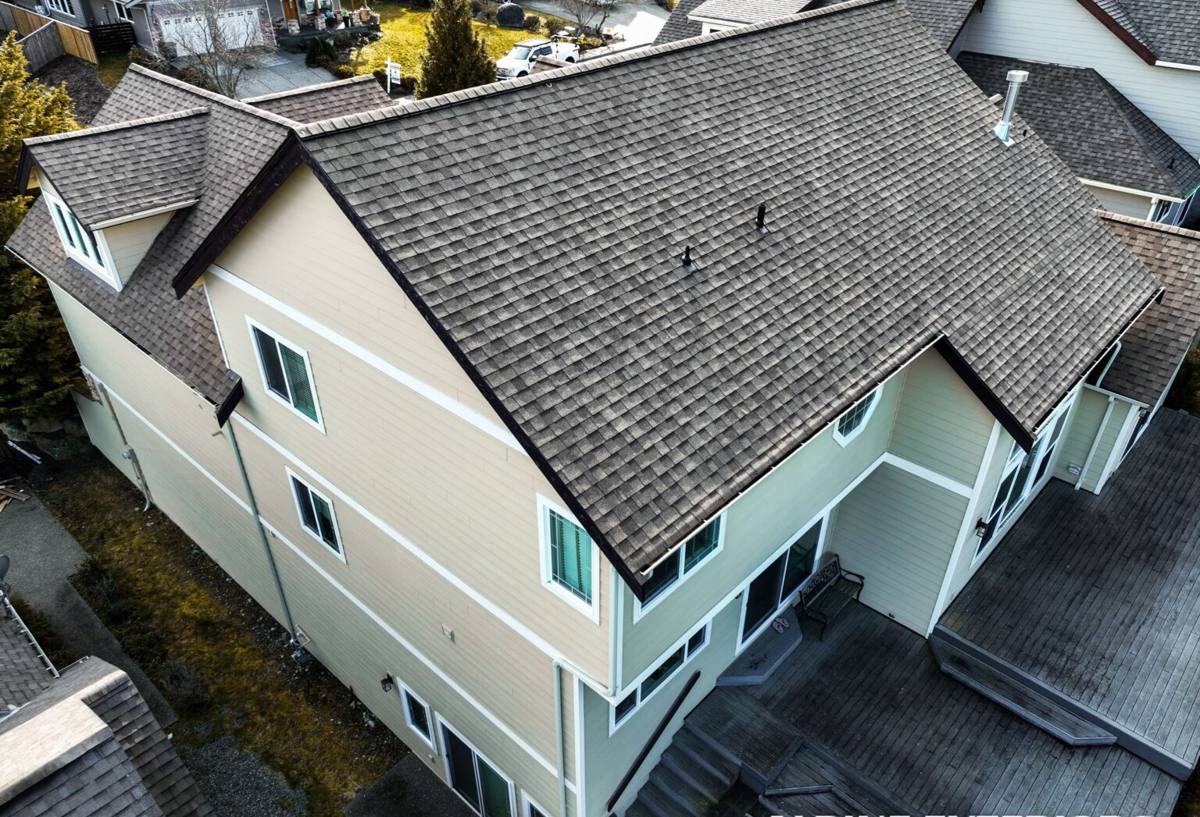
What Town 'n' Country Homes Are Up Against
Town 'n' Country sits in unincorporated Hillsborough County, close enough to Tampa Bay and the Gulf that the same conditions that wear down coastal homes reach inland here too. Four things drive most of the window failures we see in this part of the county:
- Hurricane-force wind loads. Tampa Bay is squarely in the path of tropical systems most seasons, and Hillsborough County's wind-borne debris requirements mean new-construction windows need real wind-load and impact ratings, not just a sticker that says "hurricane."
- Wind-driven rain. Straight-down rain is easy to shed. Rain pushed sideways at 60-100 mph finds every gap in a flashing job, which is why the install detail matters as much as the window itself.
- Intense, year-round UV. Florida sun degrades vinyl, breaks down cheap sealants, and fades interior finishes faster than almost anywhere else in the country. Glass and frame selection both need to account for this, not just the storm rating.
- Salt-laden, humid air. Even inland from the immediate coastline, the air carries enough salt and moisture to corrode poor-quality hardware and accelerate rot in any wood or OSB that stays wet behind a bad seal.
None of these are exotic problems — they're just constant, year-round stress that a lot of the country doesn't deal with. A window and installation method that's fine in a milder climate can underperform here within a few years.
What a Correct New-Construction Install Actually Involves
Opening Prep
Before a window ever goes in, the rough opening has to be square, properly sized, and free of rot or old, failed sealant. We check the sill pan and sub-sill flashing here first, because a missing or improperly lapped sill pan is the single most common reason wind-driven rain ends up inside a wall.
Flashing and Water Management
Flashing has to shed water downward and outward in the correct shingle-lap order: sill pan first, then the window's nailing fin, then jamb flashing, then head flashing over the top, integrated with the house wrap so every layer overlaps the one below it. Skip a step or reverse the order and you've built a funnel instead of a barrier — it may look fine for years until the first serious wind-driven rain event finds it.
Fastening and Structural Attachment
The nailing fin gets fastened per the manufacturer's approved schedule — spacing and fastener type aren't optional details, they're what the window's tested wind rating is actually based on. For impact-rated units, this also ties into the county's approval documentation.
Sealant and Insulation
Low-expansion foam or backer rod and sealant around the frame perimeter closes air and minor water infiltration paths without bowing the frame — over-filling with the wrong foam is a common DIY and low-bid-crew mistake that can warp a frame enough to affect operation.
Choosing Frame Material and Glass for This Climate
There's no single "best" window for every home, but there are real trade-offs worth understanding before you pick a product line.
| Frame Material | How It Handles Tampa's Climate | Maintenance |
|---|---|---|
| Vinyl | Good UV-stabilized vinyl resists salt air well and won't corrode; quality varies a lot between manufacturers | Low — occasional cleaning |
| Aluminum | Strong and slim sightlines, common in impact-rated units, but can conduct heat and requires marine-grade or coated hardware near the coast | Low to moderate |
| Fiberglass | Very stable in heat and UV, resists warping, higher upfront cost | Low |
| Wood / wood-clad | Attractive but vulnerable to Florida's humidity and salt air unless meticulously maintained | High — we're upfront that this is a real ongoing commitment here |
On glass, we generally steer homeowners toward Low-E coated, impact-rated insulated glass units. The Low-E coating cuts down heat gain from that year-round UV load, which shows up directly on cooling bills, while the impact laminate holds the glass in the frame during a storm — Hillsborough County's wind-borne debris zone requirements make this a practical necessity for most exposures in Town 'n' Country, not just an upgrade option.
How Our Process Works
- On-site assessment. We measure openings, check existing framing and flashing condition, and talk through what you actually need — storm performance, energy performance, style, or all three.
- Product selection. We walk through frame material, glass package, and impact rating options that fit your home and budget, with honest trade-offs, not upsells.
- Permitting. New-construction window work in Hillsborough County requires a permit and inspection. We handle the paperwork and schedule the required inspections so you don't have to chase it.
- Removal and opening prep. Old units come out, framing gets inspected and repaired if needed, and the opening is prepped to spec before anything new goes in.
- Installation and flashing. Windows are set, fastened to the manufacturer's schedule, and flashed in proper shingle-lap order.
- Sealing and finish work. Interior and exterior sealant, trim, and cleanup.
- Final inspection. We coordinate the county inspection and walk the job with you before calling it done.
Permitting and Code in Hillsborough County
New-construction window installation falls under the Florida Building Code and requires a permit through Hillsborough County. Depending on your exact location and wind exposure category, your home may fall inside a wind-borne debris region that requires impact-rated products or approved shutters as an alternative — this affects which windows are even legal to install, not just which ones we'd recommend. We pull the permit, provide the product approval (NOA) documentation the county requires, and schedule the inspection. Skipping the permit step is a common shortcut with cheap installers, and it can come back to bite you at resale when a buyer's inspector or the county flags unpermitted window work.
What Drives the Cost
| Factor | Why It Moves the Price |
|---|---|
| Frame material | Fiberglass and high-end vinyl cost more upfront than builder-grade vinyl or basic aluminum |
| Impact rating | Impact-rated laminated glass and reinforced frames cost more than non-impact units with shutters |
| Opening condition | Rotted framing or old flashing failures found during removal add repair time before the new window can go in |
| Window size and count | Larger openings and whole-house jobs benefit from labor efficiency compared to one-off replacements |
| Style complexity | Casements, sliders, and custom shapes generally cost more than standard single- or double-hung units |
We don't publish a flat price list because every one of these factors changes the number, but most Town 'n' Country new-construction window jobs land somewhere in a broad mid-range per opening once you factor in impact glass — we'll give you an itemized number for your specific home during the estimate, not a generic figure.
Why It Matters That We Already Work in This Area
Building codes, wind-borne debris zone boundaries, and inspection requirements aren't identical across Hillsborough County — they vary by exposure and jurisdiction, and they change over time. A crew that regularly pulls permits and schedules inspections in this specific area already knows what the inspectors look for and what documentation the county wants, which keeps the job moving instead of stalling on a paperwork correction. It also means we've seen how the local building stock — the framing types, the age of the housing, the common flashing shortcuts from decades past — tends to hold up, so we know what to check for before we start pulling old windows out.
Before You Sign a Contract: A Quick Checklist
- Confirm whether the quote is for true new-construction (nailing fin, full flashing) or a pocket replacement — they are not interchangeable
- Ask to see the product's Florida product approval (NOA) or Miami-Dade approval documentation for your wind zone
- Verify the contractor is pulling a permit — not skipping it to save time or cost
- Ask what sill pan and flashing method they use, in what order
- Get the glass package spelled out — Low-E coating, impact laminate thickness, gas fill if applicable
- Check that fastening schedule and sealant products are specified, not left to "standard practice"
- Confirm who schedules and attends the final county inspection
If you're planning new-construction windows for a Town 'n' Country home — whether it's an addition, a full opening rebuild, or a storm-hardening upgrade — we're happy to walk the property, explain your options honestly, and put together a free, no-pressure estimate. There's a form below to get that started.