 Tampa Siding
 Roofing Built for Town 'n' Country's Weather, Not Just the Average Florida Roof
Town 'n' Country sits in a part of Hillsborough County that takes a real beating from the sky. Homes here deal with hurricane-force wind gusts during storm season, ten-plus months of intense UV exposure, wind-driven rain that finds every weak seam, and the kind of humid, salt-tinged air that comes with being close to Tampa Bay. A roof that would hold up fine in a drier, calmer climate can fail early here if it wasn't designed and installed with those specific stresses in mind. New roof installation in this neighborhood isn't a one-size-fits-all job — it's a decision about materials, fastening, ventilation, and flashing details that either hold up to what this area throws at a house, or don't.
We install new roofs for homeowners throughout Town 'n' Country and understand what local roofs are up against year after year. This page walks through what a correct installation actually involves, what to look for in a contractor, and what factors drive cost — so you can make an informed decision instead of just picking a number off a flyer.
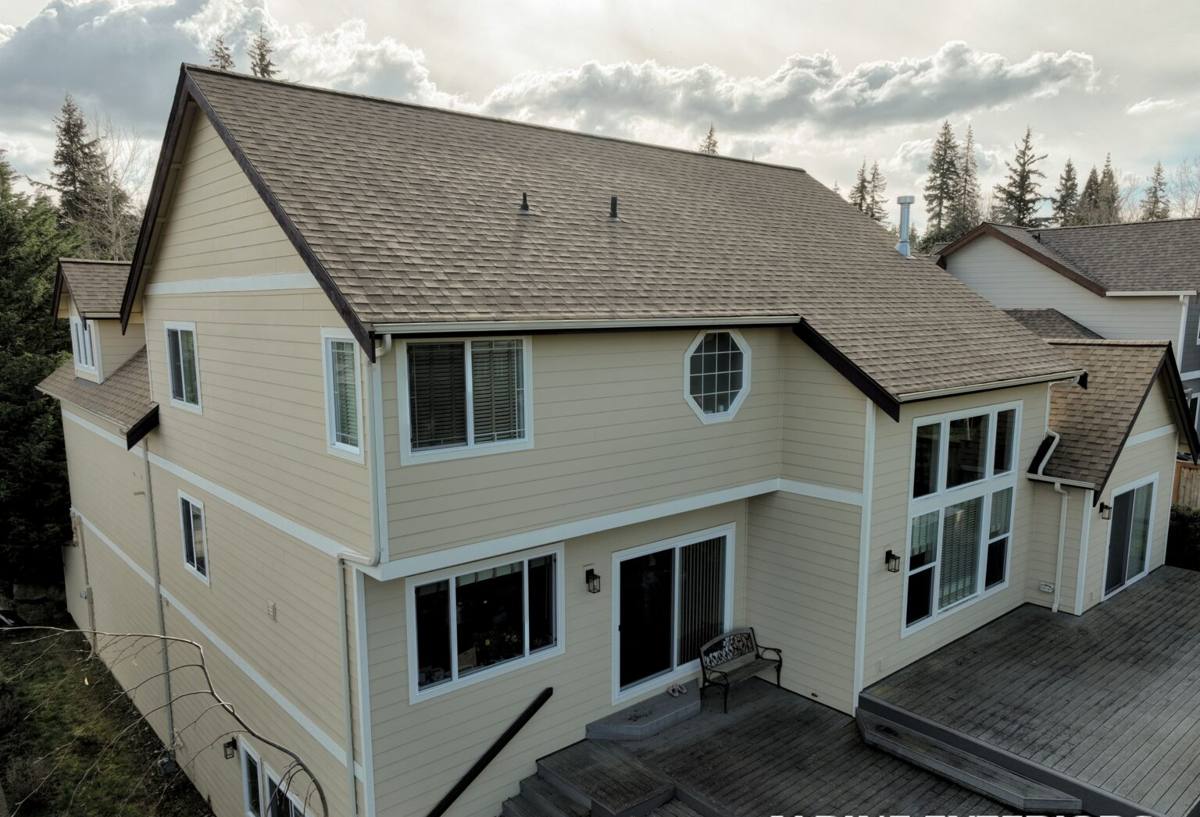
What Tampa Bay Weather Does to a Roof Over Time
Wind
Hillsborough County sits in a hurricane-exposed wind zone, and even storms that don't make direct landfall can bring sustained gusts strong enough to lift poorly fastened shingles or tiles. Wind damage rarely shows up as one dramatic failure — it usually starts as a few lifted or missing shingles at a ridge or eave, which then lets water in underneath the rest of the field.
UV exposure
Florida sun is relentless almost year-round. UV breaks down the asphalt oils in shingles, causes granule loss, and dries out sealant strips faster than in northern climates. A roof rated for 25-30 years elsewhere often shows UV aging well before that mark here if it wasn't a product suited to intense sun exposure.
Wind-driven rain
Rain that comes in sideways during a squall line or tropical system doesn't behave like rain falling straight down. It gets pushed up under shingle tabs, around flashing, and into any gap that a calmer climate roof might tolerate. Underlayment quality and flashing detail work matter more here than in places where rain mostly falls vertically.
Salt air and humidity
Being near Tampa Bay means homes deal with a steady mix of salt-laden air and high humidity. That combination accelerates corrosion on exposed metal fasteners, flashing, and vents, and it keeps roof decks and attics more prone to moisture retention if ventilation isn't handled correctly.
Signs a Town 'n' Country Home Needs a New Roof
Not every roofing problem calls for full replacement — but there's a point where patching stops making financial sense and a new roof becomes the honest recommendation. Common signs include:
- Shingles that are cupping, curling, or losing granules in patches (visible as darker, bald-looking areas)
- Multiple past repairs in different areas of the same roof
- Soft spots or sagging when walked on, which often means deck damage underneath
- Daylight visible through the attic roof boards, or water stains on attic framing
- A roof that's 18-20+ years old, especially if it's never been replaced since the home was built
- Missing or lifted shingles after storm season that keep recurring in the same spots
- Rising energy bills tied to poor attic ventilation or insulation loss from roof deck issues
If you're seeing two or more of these, it's worth getting an honest inspection before the next storm season rather than after damage forces the issue.
What a Correct New Roof Installation Actually Involves
A new roof is more than removing old shingles and nailing down new ones. Each step affects how the roof performs in this specific climate:
Full tear-off and deck inspection
We remove the existing roofing material down to the deck rather than layering over it. This lets us actually see the plywood or OSB underneath and replace any sections that are soft, rotted, or delaminated from long-term moisture exposure — issues that get hidden, not fixed, if you install over an old roof.
Underlayment upgrade
Given how much wind-driven rain this area sees, underlayment choice matters. Synthetic and self-adhering underlayments provide a stronger secondary water barrier than older felt products, which is especially important at valleys, eaves, and around penetrations.
Flashing and penetration details
Flashing around chimneys, skylights, vent pipes, and roof-to-wall transitions is where most leaks actually start — not in the open field of shingles. Correct installation means new flashing at every penetration, not reusing old, corroded pieces to save time.
Fastening for wind resistance
Proper nail count and placement per manufacturer and Florida Building Code specifications is what keeps shingles attached during high wind events. This is also tied to wind mitigation ratings that can affect insurance, covered below.
Ventilation
A roof deck that can't breathe traps heat and moisture, shortening the life of the roofing material from underneath. Balanced intake and exhaust ventilation is part of doing the job right, not an optional add-on.
Roofing Material Options for This Area
Most Town 'n' Country homes are re-roofed in asphalt shingles, but it's worth understanding the trade-offs between the common options available for this climate.
| Material | Typical Lifespan | Wind/Storm Performance | Maintenance Considerations |
|---|---|---|---|
| Architectural asphalt shingle | 20-30 years | Good, when rated and installed for high-wind zones | Periodic inspection; most cost-effective option |
| Standing seam metal | 40-50+ years | Excellent wind uplift resistance | Higher upfront cost; minimal ongoing maintenance |
| Concrete or clay tile | 40-50+ years | Strong when properly fastened, but individual tiles can crack from impact | Underlayment typically needs replacement before tile itself does |
We'll talk through which option makes sense for your home, your roof's slope and structure, and your budget — there's rarely a single "right" answer, just trade-offs worth understanding upfront.
Our New Roof Installation Process
- Inspection and estimate — We walk the roof, check the attic where accessible, and give you a clear written estimate with no pressure to decide on the spot.
- Material selection — We go over shingle or material options, color, and warranty terms so you know exactly what's going on the house.
- Permitting — We handle the Hillsborough County permit and any required inspections so you don't have to navigate that process yourself.
- Tear-off and deck repair — Old roofing comes off, the deck is inspected, and any damaged sections are replaced before anything new goes down.
- Underlayment, flashing, and installation — New underlayment, flashing, and roofing material are installed to manufacturer specs and current Florida Building Code wind requirements.
- Cleanup and final walkthrough — We clear debris and nails from the property and walk the finished roof with you before calling the job done.
Permits, Codes, and Wind Mitigation
Hillsborough County requires a permit for full roof replacement, and Florida Building Code sets minimum standards for fastening, underlayment, and wind resistance that are stricter than in many other parts of the country. A properly permitted and documented new roof can also qualify you for a wind mitigation inspection, which many Florida insurers use to calculate premium discounts. We build the roof to meet these standards as a matter of course, not as an upsell, and provide the documentation you'd need to pursue a wind mitigation credit with your insurer.
Why Hire a Crew That Already Works in Town 'n' Country
Roofing crews who work this specific area regularly develop a feel for the housing stock here — the common roof pitches, deck conditions on older homes, and the flashing details that tend to fail first in this climate. That local familiarity translates into fewer surprises during tear-off, more accurate estimates upfront, and installation choices that account for what actually happens to a roof in Hillsborough County weather rather than generic manufacturer guidance alone.
It also means we're not disappearing after the job. We're a local operation with a reputation to maintain in this community, which matters if a warranty question or storm-related concern comes up years down the road.
What Drives the Cost of a New Roof
| Factor | Why It Matters |
|---|---|
| Roof size and pitch | More square footage and steeper slopes mean more material and labor time |
| Material choice | Asphalt shingle, metal, and tile have significantly different material and labor costs |
| Deck condition | Rotted or damaged decking discovered during tear-off adds repair cost not visible from the ground |
| Number of penetrations | Chimneys, skylights, and vents each require flashing work that adds labor |
| Layers being removed | Removing multiple old layers of roofing takes more labor than a single-layer tear-off |
| Access and roof complexity | Steep, multi-level, or hard-to-access roofs take longer and require more safety setup |
We won't know your exact number until we've actually looked at your roof, but we'll give you a straightforward written estimate that breaks these factors down rather than a vague lump sum.
Let's Take a Look at Your Roof
If your roof is showing its age, took a hit last storm season, or you just want an honest opinion on where it stands, we're happy to come out and take a look. The estimate is free, there's no pressure to commit on the spot, and you'll get a clear explanation of what we find — good or bad. Fill out the form below and we'll get in touch to schedule a time that works for you.