 Tampa Siding
 Siding Built for Town 'n' Country, Not Just Installed There
Town 'n' Country sits inland from Tampa Bay but still takes the full brunt of what Hillsborough County weather delivers: long stretches of intense UV exposure, humidity that rarely lets up, wind-driven summer storms, and the occasional direct hit from a tropical system. Homes here were built across many different decades, which means the siding on any given street can range from original wood or aluminum to older vinyl to something already patched together after storm damage. When we install siding in this neighborhood, we're not just matching a color or covering old material — we're building an exterior that has to hold up to hurricane-force wind loads, repeated wet-dry cycles, and years of direct sun without warping, cracking, or losing its finish.
That distinction matters more in a market like Tampa than in milder climates. Siding that performs fine in a dry, temperate region can fail here in a fraction of the time — swelling at the seams, fading unevenly, or letting moisture behind the panels where it does real damage to sheathing and framing. A correct installation in Town 'n' Country starts with choosing a material engineered for this climate, then installing it with the fastening, flashing, and clearance details that actually keep water out.
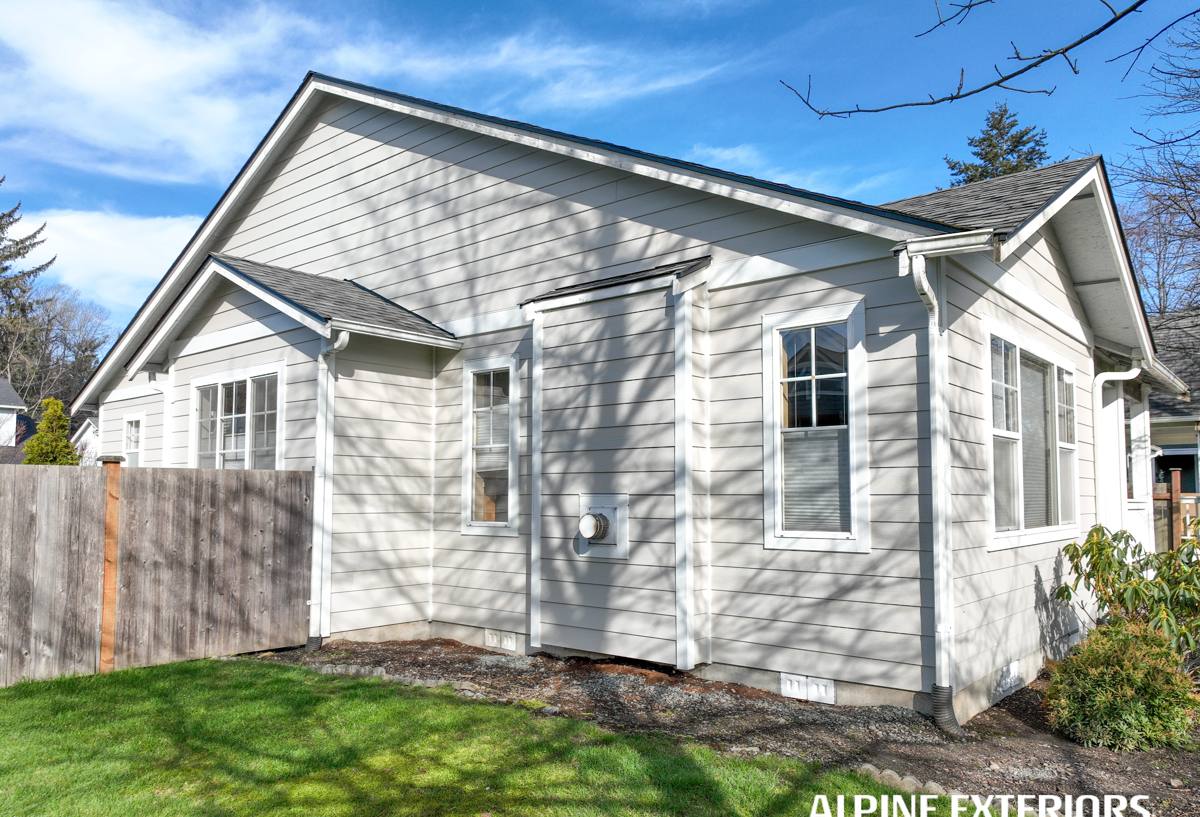
What Local Homes Are Up Against
Heat and UV
Central Florida sun is relentless for most of the year. Siding facing south and west takes the worst of it, and cheaper materials show that exposure fast — chalking, color fade, and in some cases warping as the material heats and cools day after day.
Wind-Driven Rain
Tampa's storms don't just drop rain straight down — wind pushes it sideways and up under laps, trim, and penetrations. Siding systems that rely on loose-fitting panels or minimal flashing are the first to let water in during a serious blow.
Humidity and Moisture Cycling
Even on calm days, the air here holds a lot of moisture. Materials that absorb water and swell — then dry and shrink — go through that cycle constantly in this climate, which is exactly the condition that loosens fasteners and opens gaps over time.
Hurricane-Force Wind Events
Hillsborough County sits squarely in a hurricane-exposed region. Siding here needs to be rated and installed to hold under sustained high wind, not just look good on a calm day.
What a Correct Siding Installation Actually Involves
Siding is a system, not a single layer of material. A crew that treats it as "nail boards to the wall" is skipping the parts that determine whether the house stays dry for the next 20-plus years. A proper installation on a Town 'n' Country home includes:
- Removing old siding down to the sheathing and inspecting for rot, soft spots, or existing moisture damage before anything new goes up
- Repairing or replacing any compromised sheathing — covering damage instead of fixing it just traps the problem
- Installing a weather-resistive barrier correctly lapped so water sheds outward, not into the wall cavity
- Proper flashing at every window, door, roofline, and penetration — the majority of siding failures start at these transition points, not in the field of the wall
- Correct fastener type, spacing, and placement per the manufacturer's engineering specs, not a generalized "close enough" pattern
- Proper clearances at grade, roof lines, and trim so the siding isn't sitting in standing water or trapped moisture
- Caulking and sealing only where the manufacturer specifies it — oversealing traps moisture just as badly as underscaling
Skipping any one of these steps can still produce a house that looks finished at closeout. The problems usually don't show up until a year or two later, after the first real storm season, when water has had time to find the gap.
Why We Install Only James Hardie Fiber Cement
We made a deliberate decision to install James Hardie fiber cement siding exclusively, and we don't install vinyl, LP SmartSide, Cemplank, Allura, or primed wood products. That's not a marketing position — it's based on how these materials actually perform once they're on a wall in a climate like this one.
Vinyl is inexpensive and easy to install, but it's a petroleum-based product that softens and can warp in direct, sustained heat, and it has real limits in high-wind installations unless every detail is done precisely. Wood-based composite products like LP SmartSide depend on an intact factory coating to keep moisture out; once that coating is compromised at a cut edge, fastener hole, or impact point, the wood-strand core underneath is vulnerable to swelling and rot — a real risk given how much humidity and rain this area sees. Primed wood and cedar require ongoing maintenance — repainting, caulking, moisture monitoring — that most homeowners don't want to keep up with for decades in a climate this demanding.
James Hardie fiber cement is a cement, sand, and cellulose fiber composite. It doesn't absorb water the way wood-based products do, it's non-combustible, and it holds its shape and finish through the kind of heat and humidity cycling that's normal here. Hardie's HZ5 product line is specifically engineered for hot, humid, storm-prone climates like ours, and the factory-applied ColorPlus finish is baked on and warrantied — it isn't relying on a field-applied paint job to hold color and protect the substrate.
Quick Comparison: Common Siding Materials in This Climate
| Material | Moisture Behavior | UV/Heat Performance | Wind Rating Considerations | Long-Term Maintenance |
|---|---|---|---|---|
| James Hardie Fiber Cement | Doesn't absorb/swell like wood-based products | Holds color and shape under sustained heat | Engineered systems rated for high-wind installation | Low — no repainting required with ColorPlus |
| Vinyl | Doesn't rot, but can trap moisture behind panels | Can soften, warp, or fade in intense direct sun | Wind rating highly dependent on gauge and install detail | Low, but limited repair options once damaged |
| LP SmartSide / Wood Composite | Vulnerable at cut edges and fastener points | Coating can degrade with sustained UV exposure | Adequate when installed to spec | Moderate — coating and edge sealing need monitoring |
| Primed Wood/Cedar | Absorbs moisture; prone to rot without upkeep | Fades and checks without regular refinishing | Adequate structurally, but material itself is vulnerable | High — repainting and sealing on a recurring cycle |
Our Installation Process
Every job follows the same sequence, whether it's a full siding replacement or a section repair:
- Assessment: We inspect the existing siding, trim, and sheathing to understand what's underneath before quoting anything.
- Tear-off and sheathing check: Old material comes off, and any damaged sheathing gets flagged and addressed before moving forward.
- Weather barrier and flashing: This is the layer that actually keeps water out — it goes in correctly lapped and detailed at every opening.
- Hardie installation: Panels or planks go up per James Hardie's fastening and clearance specifications for our wind zone.
- Trim and finish detail: Corners, trim boards, and joints are finished to shed water, not just to look clean.
- Final walkthrough: We go over the completed job with the homeowner before calling it done.
Signs Your Current Siding Needs Attention
Homeowners in Town 'n' Country often reach out after noticing one of these:
- Visible warping, buckling, or gaps at seams
- Soft spots when you press on the siding, especially near the bottom of walls
- Paint or finish that's peeling, chalking heavily, or fading unevenly wall to wall
- Rising utility bills that suggest heat and moisture are getting through the wall assembly
- Visible damage after a storm — cracked panels, lifted sections, or missing pieces
- Musty smell or discoloration on interior walls that back up to exterior siding
Any one of these is worth a look before it turns into a sheathing or framing repair, which costs considerably more than a siding job caught early.
Cost Factors to Expect
Every home is different, but the main variables that drive siding project cost are consistent:
| Factor | Why It Matters |
|---|---|
| Home size and wall complexity | More square footage and more corners, gables, and trim details mean more labor and material |
| Condition of existing sheathing | Rot or moisture damage found during tear-off adds repair scope |
| Product line and profile | Hardie offers multiple plank widths, textures, and the HZ10 vs HZ5 engineered lines |
| Trim and accessory scope | Fascia, soffit, and trim replacement alongside siding affects total project cost |
| Access and site conditions | Height, landscaping, and obstructions around the home affect labor time |
Why Hiring a Crew That Already Works in Town 'n' Country Matters
Siding installation isn't a one-size-fits-all trade. A crew that regularly works in this part of Hillsborough County already understands the wind zone requirements, the humidity conditions, and the kind of moisture and sun exposure specific to this area's home styles and orientations. That familiarity shows up in the details — how flashing gets handled around openings, how much clearance is left at grade, and how fastening is adjusted for wind exposure on a given elevation.
It also means fewer surprises. A contractor unfamiliar with local permitting, wind load requirements, or the way homes in this area were originally built is more likely to miss something that only shows up after the first hard storm. Consistency across a crew's work in the same neighborhood, over repeated jobs, is a practical advantage — not a sales point.
Questions Worth Asking Any Siding Contractor
- Are you installing to the manufacturer's specific wind-zone fastening requirements, not a generic pattern?
- What happens if you find damaged sheathing once tear-off starts?
- Is the flashing detail at windows and doors part of the written scope, or assumed?
- What warranty covers the material, and what covers the labor — and are they the same document?
- Can you walk me through your process before removing anything from my home?
Maintenance After Installation
One of the practical advantages of James Hardie fiber cement is how little upkeep it needs once it's installed correctly. Rinsing the exterior periodically to clear salt air residue, dust, and pollen, and doing a quick visual check after major storms for any impact damage, is generally all that's required. There's no repainting cycle to plan around, and no wood substrate to monitor for rot, which matters a great deal in a climate that gives materials little rest between rain events and sun exposure.
If your Town 'n' Country home's siding is showing its age, was damaged in a storm, or you're planning ahead of the next hurricane season, we're happy to take a look and walk you through what we're seeing. Reach out for a free, no-pressure estimate using the form below.