 Tampa Siding
 Why Siding Repair Looks Different in Town 'n' Country
Town 'n' Country is an established, mostly residential community on the west side of Tampa, and the siding on its homes takes a steady beating that has nothing to do with age alone. Hillsborough County sits in a stretch of Florida that sees hurricane-force wind events, intense year-round UV exposure, wind-driven rain that gets pushed sideways into wall assemblies, and salt-laden air that drifts in off Tampa Bay. None of those forces work in isolation — they compound. A small crack that would be cosmetic in a drier, calmer climate becomes an entry point for water in a Tampa summer storm, and once water is behind the siding, the clock starts on rot, mold, and structural damage you can't see from the driveway.
That's the reason a "just patch it" mentality doesn't hold up well here. A correct siding repair in this neighborhood has to account for what's happening behind the surface, not just what's visible on it.
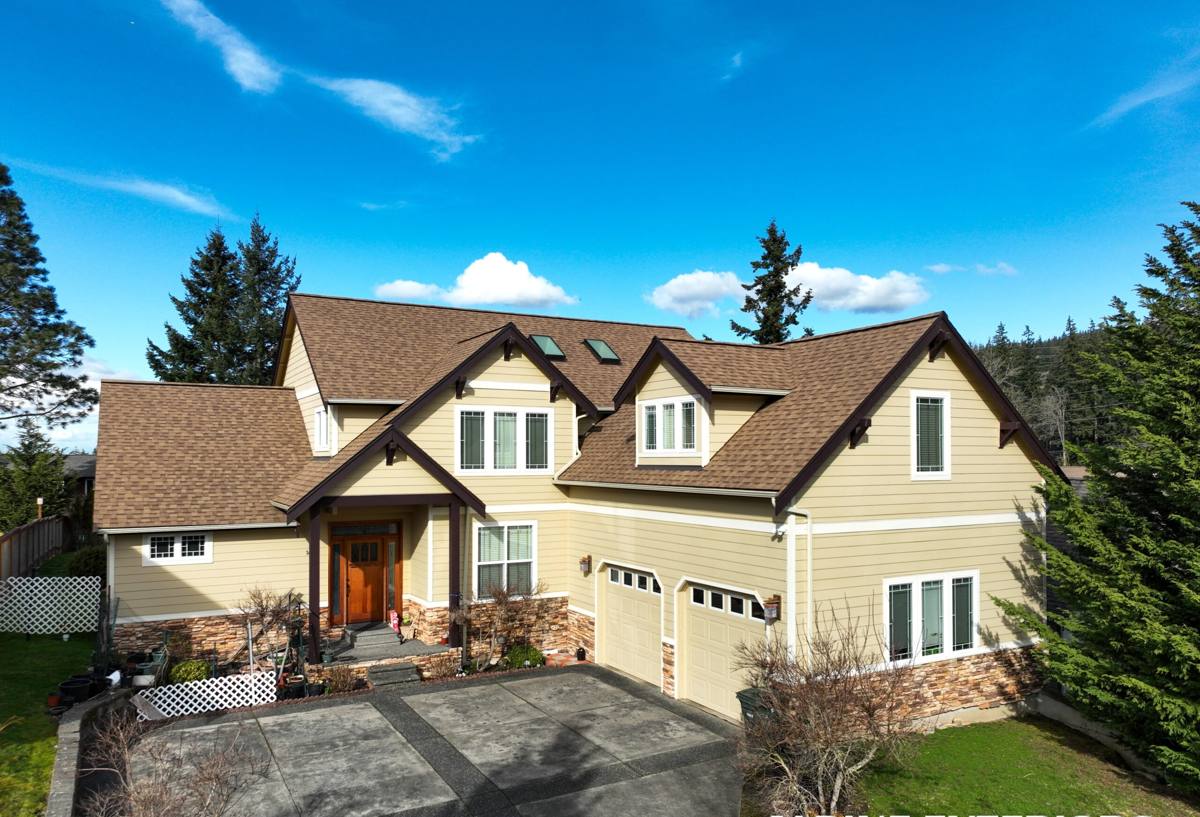
What's Actually Damaging Siding in This Neighborhood
Wind and Wind-Driven Rain
Tropical systems and seasonal thunderstorms don't just bring rain straight down — they drive it horizontally into vertical wall surfaces. Siding that's slightly warped, has an open seam, or has lost caulking at a trim joint will let water track behind the panel, where it can sit against sheathing and framing for days before anyone notices a problem.
UV Exposure
Florida's sun is relentless almost every month of the year. UV breaks down paint film, caulking, and lower-grade siding materials faster than in most of the country. Chalking, fading, and brittle caulk lines are common symptoms, and they're often the first visible sign that a repair — not just a repaint — is due.
Salt Air
Town 'n' Country isn't beachfront, but it's close enough to Tampa Bay that airborne salt still reaches exposed fasteners, trim, and any exposed metal flashing. Salt accelerates corrosion, and corroded fasteners loosen siding and create small gaps that water finds.
Age and Prior Installation Shortcuts
Plenty of homes in this area have had at least one round of exterior work over the years. Repairs done without proper flashing, without back-priming cut edges, or with the wrong fastener spacing tend to fail again — often in the same spot — because the underlying problem was never corrected.
Signs Your Siding Needs Repair Now
Most siding failures give warning signs well before they become expensive. Homeowners in this area should watch for:
- Visible cracks, splits, or holes in panels, especially near corners and window trim
- Soft or spongy spots when you press on the siding near the bottom courses
- Bubbling, peeling, or persistent staining on interior walls that share an exterior wall
- Buckled or warped panels, particularly on walls that face prevailing wind and rain
- Gaps opening up at seams, corner boards, or where siding meets window and door trim
- Visible rust streaks below fasteners or flashing
- A musty smell near exterior walls, which can indicate trapped moisture
- Paint that's failing unusually fast in one specific area, which often points to a moisture source underneath
Any one of these on its own might be minor. Several together, or any sign paired with soft wood, usually means water has already gotten past the surface.
What a Correct Repair Actually Involves
A repair that's done right starts before any new siding goes up. Our process on a repair call typically includes:
- Diagnosis, not just patching: we remove enough surrounding material to see what's behind the damaged section — sheathing, framing, and flashing — before deciding on a repair plan.
- Moisture check: if there's any doubt about hidden water damage, we check the substrate before closing anything back up. Covering over wet sheathing is how small problems turn into siding replacement projects.
- Correcting the root cause: if the damage happened because of a missing flashing detail, poor caulking, or a fastening error, we fix that condition, not just the symptom, so the same spot doesn't fail again next storm season.
- Matching materials and profile: replacement sections need to match the existing siding's plank width, exposure, and texture, or the repair will be visible from the street.
- Proper fastening and sealing: correct fastener type, spacing, and placement matter as much on a repair as they do on a full installation — this is where a lot of shortcut repairs fail early.
- Finish work: caulking, priming of any cut edges, and paint matching so the repaired area blends in rather than standing out.
Repair vs. Replacement: How We Help You Decide
| Factor | Points Toward Repair | Points Toward Replacement |
|---|---|---|
| Extent of damage | Isolated to one or two wall sections | Widespread across multiple elevations |
| Substrate condition | Sheathing and framing are dry and sound | Rot or moisture damage found behind siding |
| Age of existing siding | Siding is mid-life and otherwise performing well | Siding is near or past its expected service life |
| Material match | Matching panels/profile are available | Discontinued profile or color makes a seamless patch impossible |
| Repair history | First repair in this location | Same area has already failed once or twice before |
We'll always tell you honestly which side of that table your home falls on. A repair is the right call more often than not — but if the damage points to a systemic problem, patching it is a short-term fix that costs more in the long run.
Why We Repair With James Hardie Fiber Cement — And Nothing Else
Our company installs and repairs exclusively with James Hardie fiber cement siding. We don't work with vinyl, LP SmartSide, Cemplank, Allura, or primed wood products, and that standard applies to repairs just as much as full installations.
The reasoning is practical, not a brand preference. Fiber cement is non-combustible and dimensionally stable, so it doesn't warp or buckle the way some wood-based and engineered wood products can under heat and humidity swings that are routine in a Tampa summer. Hardie's ColorPlus factory finish is baked on and warranted, which means a properly matched repair section can hold its color consistency far longer than field-painted alternatives exposed to this much UV. And because Hardie's HZ5 product line is engineered for the exact combination of humidity, wind-driven rain, and heat that defines this climate zone, repair sections perform the same way the original installation was designed to.
Patching a Hardie wall with a different material might save a little time on a single repair, but it introduces a second material with different expansion behavior, different paint life, and a different warranty status into one wall assembly. We'd rather do the repair once, with the right material, than have it become a recurring callback.
Our Repair Process for Town 'n' Country Homes
- On-site assessment: we look at the damaged area and the surrounding wall, not just the spot you called about, since storm and UV damage often shows up in more than one place at once.
- Honest scope and estimate: you get a clear explanation of what we found, whether it's a straightforward repair or something bigger, and a written estimate before any work starts.
- Substrate correction if needed: any wet or damaged sheathing and framing gets addressed before new siding goes back on.
- Repair installation: matched Hardie material, correct flashing and fastening, and finish work to blend the repair with the rest of the wall.
- Final walkthrough: we go over the completed work with you so you know exactly what was done and why.
Because we already work regularly in this part of Hillsborough County, we're familiar with the housing stock common to Town 'n' Country and the kinds of repairs that come up most often here — which keeps the assessment fast and the estimate realistic instead of padded for guesswork.
What Affects Repair Cost
Every repair is different, but the same handful of factors drive the cost up or down on most jobs:
| Cost Factor | Why It Matters |
|---|---|
| Size of the damaged area | More linear footage of siding and trim means more material and labor |
| Substrate condition | Rotted sheathing or framing adds carpentry work beyond the siding itself |
| Height and accessibility | Second-story or hard-to-reach walls take longer and require more equipment |
| Color and profile matching | Older or discontinued colors/profiles may need special ordering or a repaint for a seamless blend |
| Number of repair locations | Multiple separate repair sites cost more than one contiguous area |
Why Hiring a Crew That Already Works in Town 'n' Country Matters
Siding repair is one of those jobs where local familiarity actually shows up in the quality of the work. A crew that regularly handles repairs in this part of Tampa has already seen how the neighborhood's homes tend to be built, what kind of storm exposure different streets get depending on orientation, and which failure patterns show up again and again in this climate. That translates into faster, more accurate diagnosis on the first visit instead of guesswork.
It also means faster response after a storm. When wind-driven rain damages a section of siding, the homeowners who get it addressed quickly are the ones who avoid the secondary damage — rot, mold, higher repair bills — that shows up when a small problem sits for weeks. A contractor already working jobs in and around Hillsborough County can typically get to an active leak faster than one starting from scratch every time.
Finally, using a Hardie-only contractor for a repair keeps your home's exterior on one consistent material and warranty system, rather than mixing products because it was convenient for a single job. That consistency matters if you ever need another repair down the line, or if you decide to re-side additional sections of the house later.
Get an Honest Look at Your Siding
If you're seeing cracked, buckled, or water-stained siding on a Town 'n' Country home, it's worth getting an honest assessment before the next round of Tampa storms puts more stress on it. We'll tell you plainly whether you're looking at a straightforward repair or something more, and what it would take to fix it right. Reach out for a free, no-pressure estimate — the form below gets you started.