 Tampa Siding
 Windows Built for Town 'n' Country's Climate
Town 'n' Country sits in the unincorporated stretch of west Hillsborough County between downtown Tampa and the airport corridor, close enough to Tampa Bay and the Gulf to feel the same weather pressures as the coast. That means the windows on these homes are doing real work year-round: standing up to hurricane-force wind gusts during storm season, shrugging off intense subtropical UV for months at a time, resisting wind-driven rain that gets pushed sideways into window frames, and tolerating a steady trace of salt-laden air moving in off the bay. A window that isn't built or installed for that combination doesn't fail all at once — it fails slowly, through fogged glass, soft frames, and water finding its way behind the wall.
We install and replace windows specifically for this neighborhood's housing stock and this county's wind requirements. That's a different job than a generic window swap. It means paying close attention to how each opening is flashed, fastened, and sealed, not just how the new window looks from the curb.
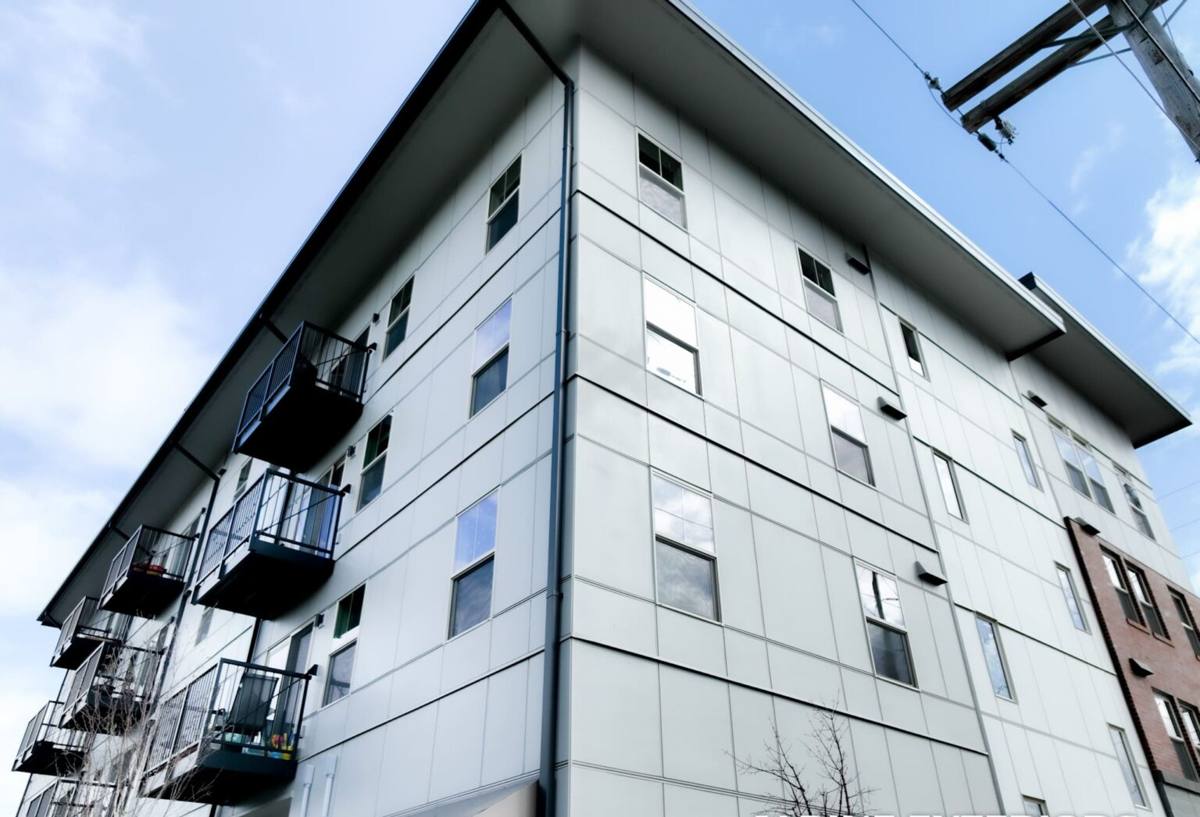
What a Correct Window Installation Actually Involves
Window installation looks simple from the outside — old window out, new window in — but the parts that determine whether it holds up through a Florida summer and hurricane season are mostly hidden once the job is done. Skipping any of these steps is how a brand-new window ends up with water stains and mold behind the drywall two years later.
Water Management and Flashing
Every window opening needs a way to shed water that gets past the exterior finish, and that starts before the window ever goes in. We check and rebuild flashing at the sill and jambs so that any water intrusion drains back out instead of pooling against the wood framing or sheathing. This is the single most common thing we find missing or done wrong on older installations in this area — it's invisible once trim goes back on, so it's easy for a rushed job to skip it.
Proper Anchoring for Wind Load
Hillsborough County's building code specifies fastener type, spacing, and embedment depth based on the window's size and the wind pressures it needs to resist. Anchoring a window with too few screws, the wrong screws, or screws that don't reach solid framing is a shortcut that won't show up on an inspection walk-through but will show up the first time a storm pushes hard on that wall.
Sealing Without Trapping Moisture
Sealant matters, but more sealant isn't automatically better. We use sealant and backer rod at the joints designed to move with the building while still keeping wind-driven rain out, and we leave the weep system at the bottom of the frame clear so any water that does get in can escape instead of sitting in the frame.
Squaring and Shimming
A window that's out of square binds, leaks air around the sash, and wears out its hardware early. We shim and level every unit before it's fastened so the sash operates smoothly and the seal stays consistent all the way around, not just at the corners.
Choosing the Right Window for a Storm-Prone Area
Homeowners in Town 'n' Country generally choose between a few approaches to meeting Florida's wind and impact requirements. Each has real trade-offs in cost, appearance, and day-to-day convenience — there's no single right answer for every home or budget.
| Option | How It Works | Trade-Offs |
|---|---|---|
| Impact-rated windows | Laminated glass stays intact under impact and pressure; no separate storm prep needed | Higher upfront cost than standard glass; heavier sash and frame |
| Standard glass + code-compliant shutters | Lower-cost window paired with removable or accordion shutters for storm protection | Shutters must be deployed before every storm; added exterior hardware |
| Single-hung vs. horizontal roller/casement | Sash geometry affects how the unit seals and how well it resists wind pressure | Casements often seal tighter but cost more; single-hungs are simpler to service |
| Aluminum vs. vinyl frame | Aluminum holds up structurally under wind load; vinyl resists corrosion from salt air | Aluminum can conduct heat and needs a thermal break; vinyl can soften under prolonged direct UV if it's a lower-grade product |
We'll walk through which of these fits a given home honestly, including what it costs to protect versus what it costs to replace with impact glass outright — there's rarely a universally "best" choice, only the right fit for the budget, the exposure of that particular wall, and how long the homeowner plans to stay in the house.
Permits and Wind Code in Hillsborough County
Tampa and Hillsborough County are not in Florida's High-Velocity Hurricane Zone (that designation applies to Miami-Dade and Broward counties), but the county still enforces Florida Building Code wind provisions for this area, including wind-borne debris region requirements that affect what protection a window needs and how it must be installed. Replacement windows generally require a permit and inspection, and the wind pressure rating a window needs depends on the home's exposure, height, and location on the structure — a window on an exposed second-story wall isn't held to the same standard as one on a sheltered ground-floor wall. We pull the required permits and build to what the code actually calls for on that specific home, not a generic default.
Our Installation Process, Start to Finish
- On-site assessment: We look at each opening, the current frame condition, signs of past water intrusion, and the wall's exposure to prevailing wind and sun.
- Product selection: We go over impact vs. protected, frame material, and glass options that fit the home's exposure and the budget, with straight talk about the trade-offs.
- Permitting: We handle the Hillsborough County permit and schedule the required inspections so the work is documented and code-compliant.
- Removal and opening prep: Old windows come out carefully to protect the surrounding wall and finish, and we inspect the framing underneath for rot or prior water damage before anything new goes in.
- Flashing and installation: New flashing is installed or repaired, the window is set, shimmed square, and fastened to the wind-load spec for that opening.
- Sealing and finish: Sealant, weep paths, and interior/exterior trim are finished so the installation is both weathertight and clean-looking.
- Final walkthrough: We test operation on every window and review care and maintenance before we call the job done.
Common Issues We See in Town 'n' Country Homes
A lot of the housing stock in this part of Hillsborough County was built decades ago with the window technology and code requirements of that era, and that shows up in predictable ways when we're called out for an inspection or estimate:
- Aluminum single-hung frames that have loosened at the anchors after years of thermal expansion and wind flex
- Fogged or hazy double-pane glass where the seal between panes has failed, letting in humidity
- Sealant that's cracked or shrunk from years of direct Florida sun, leaving gaps at the frame joints
- Soft or discolored framing around the sill, usually a sign that water has been getting behind the trim for a while
- Windows that were never upgraded to meet current wind-borne debris protection requirements
- Weep holes painted over or blocked with debris, so water that should drain out is instead sitting in the frame
Signs It's Time to Replace, Not Repair
Not every window problem means full replacement — some issues are a caulk job or a hardware fix. But there's a point where repair stops making financial sense. Before we recommend replacement over repair, we check for:
- Visible daylight or drafts around a closed sash
- Frame material that's soft, cracked, or corroding rather than just cosmetically worn
- Condensation trapped between panes (a sign the seal is gone, not just dirty glass)
- Windows that predate current wind-borne debris protection requirements on an exposed wall
- Rising energy bills alongside noticeably more heat coming through the glass in summer
- Difficulty opening, closing, or locking the sash even after hardware adjustment
Why Hiring a Crew That Already Works This Neighborhood Matters
Window installation done wrong doesn't usually announce itself right away — it shows up as a water stain eighteen months later, or a window that won't hold up when a storm actually tests it. A crew that regularly works Town 'n' Country and the surrounding Tampa area already knows the common frame conditions in these homes, what the Hillsborough County permitting process expects, and how to detail flashing and sealing for wind-driven rain rather than just a light shower. That local repetition is what keeps an installation from becoming a callback.
It also means faster response if something does come up after the job — no long drive time, no unfamiliarity with the home's history, and a crew that stands behind work they did in this specific climate, not a generic install pulled from a manual written for a drier region.
Get a Straight Answer for Your Home
Every home in Town 'n' Country has a slightly different exposure, window count, and condition, so a real number takes a look in person rather than a guess over the phone. If you'd like an honest assessment of what your windows need and what it would cost to do the job right, request a free, no-pressure estimate using the form below.