 Tampa Siding
 Why Valrico Roofs Wear Out Faster Than People Expect
Valrico sits inland from Tampa Bay, but it's still fully exposed to everything the Gulf and the Atlantic throw at Hillsborough County: months of intense subtropical UV, sudden wind-driven downpours, and the occasional direct hit or near-miss from a hurricane-strength system. None of that is unique to one neighborhood, but it adds up differently depending on a roof's age, pitch, and material — and it's why so many roof replacements around here get scheduled after a storm inspection rather than on a homeowner's own timeline.
The sun is the quiet damage-doer. Florida's UV load bakes asphalt shingles from the top down, drying out the asphalt oils that keep them flexible and driving granule loss years before a roof "looks" old from the ground. Add wind-driven rain that forces water sideways and up under shingle tabs and flashing, and you get moisture problems that start at the roof deck, not the shingle surface. Coastal air movement carries enough salt this far inland to accelerate corrosion on exposed fasteners, vents, and metal flashing over time. None of this means every roof in Valrico needs replacing early — but it does mean a straight asphalt-shingle install with no attention to ventilation, flashing detail, or fastening pattern will underperform here compared to a slower, milder climate.
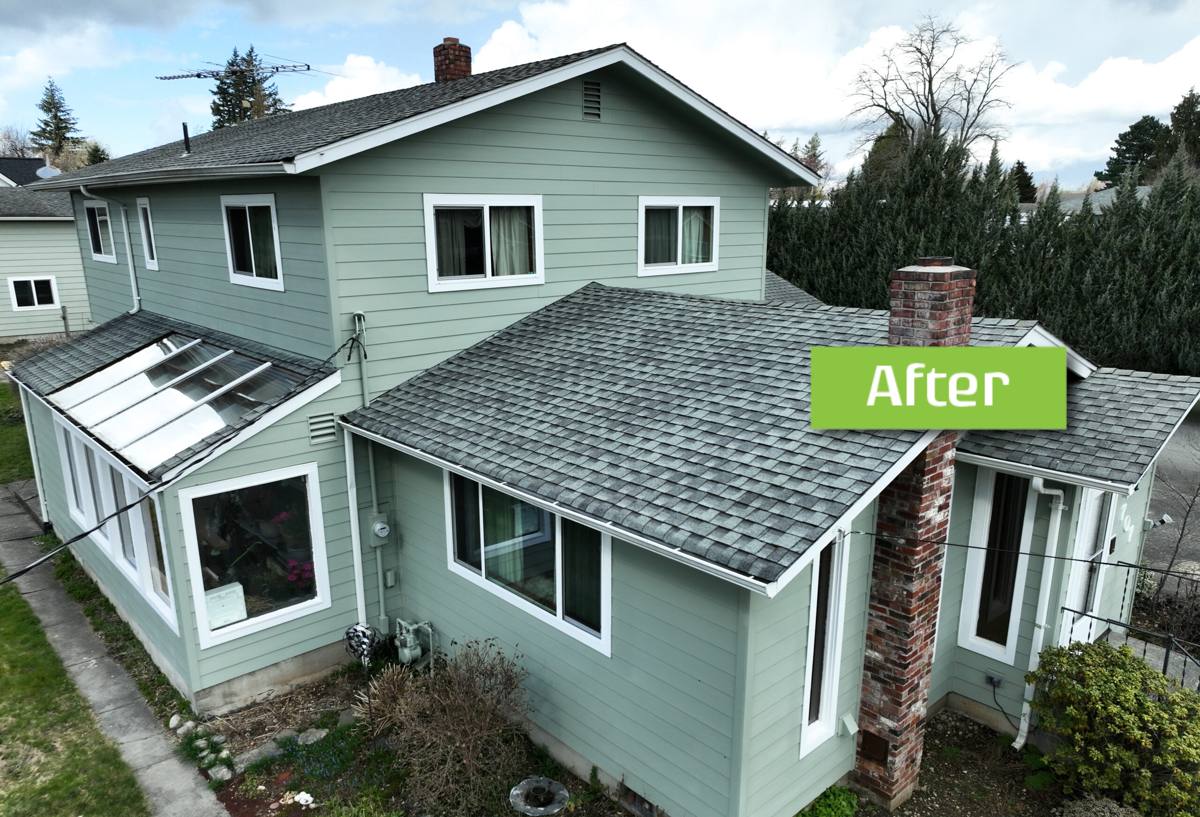
Signs a Repair Won't Cut It Anymore
Not every roof problem calls for full replacement, and a contractor who's honest with you will tell you when a repair is the right move. But there's a point where patching starts costing more than it saves. Common signs we look for on Valrico roofs:
- Granule loss heavy enough that shingles look patchy or bald in sun-exposed sections, usually south- and west-facing slopes
- Multiple past repairs in different spots, rather than one contained problem area
- Soft decking, visible sagging, or daylight through the attic at the roofline
- Shingles curling, cracking, or losing their seal in wind — a sign the asphalt has aged out regardless of how the roof looks from the street
- A roof nearing or past the manufacturer's expected service life for its material and local exposure
- Recurring leaks around penetrations such as vents, chimneys, or skylights that keep reappearing after repair
If your roof is showing one or two of these, a repair may still make sense. If it's showing several at once, replacement is usually the more cost-effective path over the next five to ten years.
What an Actual Roof Replacement Involves
It's Not Just New Shingles on Top
A roof replacement done right starts at the deck, not the surface. That means a full tear-off down to the plywood or OSB decking, an inspection of that decking for rot or soft spots, and replacement of any compromised sections before anything new goes down. Installing new shingles over old, damaged, or questionable decking is one of the more common shortcuts in this trade, and it's one we won't take — it hides the problem instead of fixing it.
Underlayment and Water Barrier
Given how much wind-driven rain this area sees, the underlayment layer matters as much as the shingles themselves. Self-adhering underlayment at eaves, valleys, and roof penetrations gives water a second line of defense if it ever gets past the shingle layer, which, in a wind event, it eventually will somewhere on the roof.
Flashing and Penetrations
Flashing around chimneys, skylights, vents, and wall-to-roof transitions is where most leaks actually originate, not in the open field of shingles. New flashing, properly lapped and sealed, is a non-negotiable part of a correct replacement. Reusing old flashing to save time is a shortcut that shows up as a leak later.
Ventilation
Attic ventilation gets overlooked constantly, but in a hot, humid climate it affects both a roof's lifespan and a homeowner's cooling costs. A roof that traps heat and moisture in the attic ages its own shingles from underneath and can contribute to moisture problems in the decking. Balanced intake and exhaust ventilation is part of the job, not an upsell.
Material Options for This Climate
Most Valrico homes are asphalt shingle roofs, and for good reason — cost, availability, and appearance make sense for the housing stock here. But not all shingle products or roofing systems perform the same way under Florida sun and wind. Here's how the common options compare for this specific climate:
| Material | Wind/Storm Performance | Heat & UV Behavior | Typical Lifespan Here |
|---|---|---|---|
| 3-tab asphalt shingle | Lower wind rating, tabs more prone to lifting | Ages faster under direct UV exposure | 12-18 years |
| Architectural (laminate) shingle | Higher wind rating, better fastener holding | More UV-resistant granules, holds color longer | 18-25 years |
| Metal roofing | Excellent wind performance when properly fastened | Reflects heat well, reduces attic temperature | 30-50 years |
| Concrete or clay tile | Strong wind performance, but underlayment failure is the real risk over time | Naturally heat- and UV-stable | 30-50 years (underlayment often needs replacing sooner) |
We install what fits the home, the budget, and how long the homeowner plans to stay in the property — there's no single "right" material for every Valrico roof. What we won't do is install a system in a way that ignores its known moisture behavior for this climate just to hit a lower price point.
How Our Replacement Process Works
1. On-Site Inspection and Honest Assessment
We walk the roof, or the attic where a full walk isn't safe or necessary, and give you a straight read on condition — repair versus replace, and why. No pressure, no inflated urgency.
2. Written Proposal
You get a clear scope of work and pricing in writing: materials, tear-off, decking allowance, underlayment, flashing, ventilation, and cleanup. No vague line items.
3. Permitting
Roof replacement in Hillsborough County requires a permit and inspection. We handle that filing as part of the job, not as an add-on.
4. Tear-Off and Deck Inspection Day
Old material comes off, decking gets inspected in daylight, and any needed repairs are handled before new material goes down. We flag anything unexpected before proceeding, not after.
5. Installation
Underlayment, flashing, ventilation components, and the finish material go on in that order, following manufacturer specifications for fastening pattern and exposure — which is what actually determines the wind rating a shingle carries, not just the product itself.
6. Final Inspection and Cleanup
County inspection, a walk-through with you, and a full site cleanup including a magnetic sweep for stray nails.
What to Expect on Installation Day
- Expect noise and vibration inside the house for most of the day — this is normal for a tear-off
- A dumpster or trailer staged on the property for old material
- Vehicles moved clear of the driveway and immediate work area
- Pets kept indoors or away from the work zone
- A walk-around at the end of the day to review progress and answer questions
- Cleanup and a nail sweep once the roof is complete
Permits, Wind Codes, and What They Mean for You
Florida's building code sets minimum wind-uplift and fastening requirements that are stricter than a lot of other parts of the country, and Hillsborough County enforces its own permitting and inspection process on top of that. This isn't paperwork for its own sake — it's what determines whether a roof actually holds up in a wind event, and it's also what your homeowner's insurance carrier will want documented if you ever need to file a claim. A permitted, inspected roof replacement gives you a paper trail that an uninspected job simply doesn't.
Why a Crew That Already Works Valrico Matters
Roofing work isn't identical everywhere in the Tampa area — tree cover, prevailing wind exposure, and typical roof pitch vary block by block. A crew that already works in and around Valrico has a working sense of what tends to show up under the shingles here, an existing relationship with the county permitting office, and isn't learning the local inspection process on your project. That local familiarity doesn't replace a proper inspection of your specific roof, but it does mean fewer surprises and faster turnaround on permitting and scheduling.
What Roof Replacement Typically Costs — and Why
We won't quote a number without seeing the roof, because pitch, layer count, decking condition, and access all move the price. Here's what actually drives cost on most Valrico jobs:
| Cost Factor | Why It Matters |
|---|---|
| Roof size and pitch | Steeper roofs take longer to work safely and need more fall-protection setup |
| Number of existing layers | Multiple old layers mean more tear-off labor and disposal |
| Decking condition | Rotted or soft decking sections require replacement before new material goes down |
| Material choice | Architectural shingle, metal, and tile carry different material and labor costs |
| Roof complexity | Valleys, dormers, chimneys, and multiple penetrations add flashing labor |
| Access and staging | Tight lots or limited driveway access can affect dumpster placement and material staging |
Financing and insurance involvement can also affect the timeline and paperwork, particularly if the replacement is being driven by storm damage rather than age.
If your roof is past its prime, showing storm wear, or you just want a straight answer on repair versus replacement, we're glad to come take a look. The estimate is free, there's no pressure, and you'll get a written scope you can actually use to compare options — just fill out the form below to get started.