 Tampa Siding
 Why Valrico's Climate Is Hard on Siding
Valrico sits inland from Tampa Bay in unincorporated Hillsborough County, and that inland position sometimes leads homeowners to assume they're better protected from severe weather than neighborhoods closer to the water. In practice, hurricane-force winds don't stop at the shoreline — they travel well inland, and Valrico homes take the same wind-driven rain, gusts, and pressure changes as anywhere else in the greater Tampa area during a significant storm. Siding is one of the first layers of the house exposed to that punishment, and it has to hold up year after year, not just survive one storm season.
Wind isn't the only stress. Central Florida's UV exposure runs strong essentially year-round, not just in summer, and it breaks down pigments, coatings, and the surface of lower-grade siding materials over time. Add in Hillsborough County's humidity — which keeps moisture in contact with exterior walls far longer than it would in a drier climate — and you have a combination that exposes weak siding products and weak installations quickly. Even salt-laden air carried inland on Gulf breezes plays a role over the life of a siding system, accelerating corrosion of fasteners and trim if they aren't rated for it.
None of this means Valrico homes need something exotic. It means the siding and the installation both need to be matched to what this specific climate actually does to a house over ten, twenty, and thirty years — not to a national average pulled from a milder region.
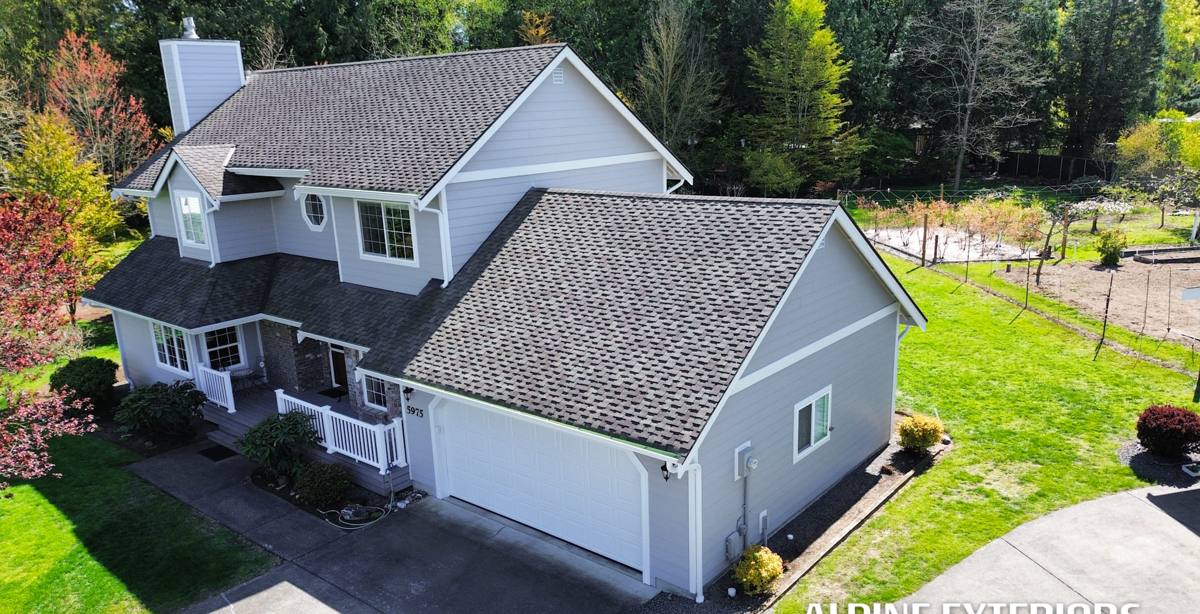
Signs It's Time to Replace Siding, Not Patch It
Not every siding problem calls for full replacement. Small dings, a single cracked board, or a loose piece of trim are normal repair items. But there's a point where patching becomes a waste of money — you're spending on repairs to a system that's already failed underneath. Some signs point clearly toward replacement rather than another round of patching:
- Boards that are cupping, buckling, or visibly separating from the wall, especially near seams and corners
- Soft or spongy spots when you press on the siding, which usually means moisture has reached the sheathing behind it
- Paint that won't hold no matter how often it's redone, or fading and chalking that returns within a year or two of a fresh coat
- Visible gaps, cracks, or missing caulk at butt joints and trim that keep reopening after repair
- Rising energy bills with no other clear explanation, which can point to a compromised weather barrier
- Interior signs — peeling paint, musty smells, or discoloration on inside walls that back up to exterior siding
If you're seeing two or more of these at once, it's usually a sign the underlying issue is bigger than the siding itself, and a proper inspection is worth doing before spending more money on spot repairs that won't hold.
What a Correct Siding Replacement Actually Involves
Tear-Off and Substrate Inspection
A replacement done right starts with taking the old siding all the way off, not covering over it. That's the only way to see what's actually happening underneath — rotted sheathing, compromised framing, old moisture damage, or improperly installed house wrap from a previous job. Skipping this step is how new siding ends up going over old problems, which just delays the same failure a few more years and hides it behind a fresh surface.
Moisture Management
Behind every new siding installation should be a properly lapped weather-resistive barrier and correctly flashed windows, doors, and penetrations. In a climate that sees wind-driven rain as often as this region does, the water management layer behind the siding matters as much as the siding itself. Get this wrong and even the best siding material on the market will eventually show water damage, no matter how good it looks from the curb.
Fastening and Finish
Siding needs to be fastened per the manufacturer's specifications for wind zone and exposure — not just nailed on the way it's always been done. Butt joints, corners, and trim details need to be sealed and finished in a way that sheds water rather than trapping it against the wall. This is where the difference between a rushed crew and an experienced one shows up first, usually within the first year or two after a lower-quality install.
Why We Install Only James Hardie Fiber Cement
We don't install vinyl siding, LP SmartSide, or other fiber cement brands, and that's a deliberate professional standard, not a sales pitch. In a climate with this much heat, humidity, and storm exposure, we've found that James Hardie fiber cement holds up more consistently than the alternatives, and we'd rather stand behind one product system we trust completely than offer several options and hope one works out for the homeowner.
James Hardie siding is non-combustible, which matters in a state where wildfire and lightning-strike risk are real considerations for insurers and homeowners alike. It's engineered specifically for humid climates through Hardie's HZ5 product line, built for the moisture and temperature swings common across the Southeast. The factory-applied ColorPlus finish is baked on under controlled conditions and backed by its own finish warranty, so it holds color and resists the fading that intense Florida UV causes in field-painted or lower-grade coatings. It also carries a strong transferable limited warranty — a real asset if you sell the home down the road.
None of that replaces good installation. Even the best siding material fails early if it's hung wrong. But starting with a product engineered for this exact climate gives a Valrico home a real head start over materials designed for milder, drier parts of the country.
Our Process for a Valrico Siding Replacement
- Inspection and estimate. We look at your current siding, the substrate underneath where accessible, and any trouble spots — trim, windows, corners — before quoting anything. You get a written estimate, not a guess.
- Material and color selection. We walk you through James Hardie's plank profiles, panel options, and ColorPlus palette so you land on something that fits the house and the neighborhood.
- Tear-off and prep. Old siding comes off, the sheathing gets inspected and repaired where needed, and a new weather-resistive barrier goes up correctly lapped and flashed around every opening.
- Installation. Siding goes up to Hardie's fastening and clearance specifications, with close attention to butt joints, corners, and penetrations — the details that determine whether the job holds up in a storm.
- Final walkthrough and cleanup. We go over the finished job with you, address anything that needs attention, and clear the site of debris and old material before we leave.
What Affects the Cost of a Siding Replacement
Every Valrico home is different, and we won't quote a number without seeing the house, but the same handful of factors drive cost up or down on almost every project:
| Factor | Why It Matters | Typical Cost Impact |
|---|---|---|
| Substrate condition | Rotted or damaged sheathing found during tear-off requires repair before new siding goes up | Medium to High |
| Home size and wall complexity | More square footage, corners, gables, and trim details all add labor and material | High |
| Siding profile chosen | Lap siding, vertical panels, and shingle-style profiles vary in material and install time | Medium |
| Story height and access | Two-story sections and tight lot access require more staging and time | Medium |
| Trim and accessory work | Fascia, soffit, window trim, and corner detailing add scope beyond the field siding | Medium |
| Color and finish selection | Factory ColorPlus finishes versus field painting affect both cost and long-term maintenance | Low to Medium |
The one thing worth insisting on regardless of budget: a written, itemized estimate that spells out exactly what's included, so you're comparing the same scope of work if you get more than one quote.
Why Local Experience in Valrico and Hillsborough County Matters
Hiring a crew that already works in this part of Hillsborough County isn't just a convenience — it changes the quality of the job. A contractor who's replaced siding on homes in and around Valrico before knows the county permitting process, understands the wind-load and building code requirements that apply in this region, and has already seen how salt air, humidity, and storm exposure affect siding on homes like yours. That's knowledge you don't get from a crew passing through on a storm-chasing job or one that mostly works outside the Tampa area.
Local experience also matters for the paperwork side of the project. Permitting requirements, inspection scheduling, and — in some Valrico communities — HOA exterior guidelines can all affect timeline and material choices. A contractor who deals with these regularly knows how to plan around them instead of running into surprises mid-project.
There's also a simple accountability factor. A contractor who plans to keep working in Valrico and the surrounding Tampa Bay communities has a reason to do the job right and stay reachable afterward if a question comes up — not just finish and move on to the next county.
Caring for Your New Siding After Installation
James Hardie fiber cement is low-maintenance, not no-maintenance. A yearly rinse-down to clear pollen, dust, and salt residue keeps the finish looking its best. Keep an eye on caulking at trim and penetrations over the years, and have any landscaping trimmed back so sprinklers aren't hitting the siding directly and irrigation isn't keeping the base of the wall damp. Beyond that, correctly installed Hardie siding is built to handle what this climate throws at it with minimal upkeep, which is a big part of why we recommend it in the first place.
If your Valrico home's siding is showing its age, or you just want a straight answer about whether it needs replacing or can be repaired, we're glad to take a look. Reach out for a free, no-pressure estimate using the form below.