 Tampa Siding
 Siding That Has to Earn Its Keep in Wesley Chapel
Wesley Chapel sits just north of Tampa, straddling the Pasco/Hillsborough line, and it shares the same weather punishment every home in this corner of Florida absorbs year-round: long stretches of intense UV exposure, sudden wind-driven rain that finds every gap in a building envelope, and the standing threat of hurricane-force wind gusts during storm season. Add in the humidity that never really lets up, and you have a climate that is genuinely hard on exterior building materials. Siding here isn't just cosmetic — it's the first line of defense between your home's structure and a subtropical climate that works against it every single day.
That's the lens we bring to every Wesley Chapel project. We install James Hardie fiber cement siding exclusively, because it's the one exterior cladding system engineered specifically for climates like this one, and because we've seen firsthand what happens to lesser products after a few Florida summers.
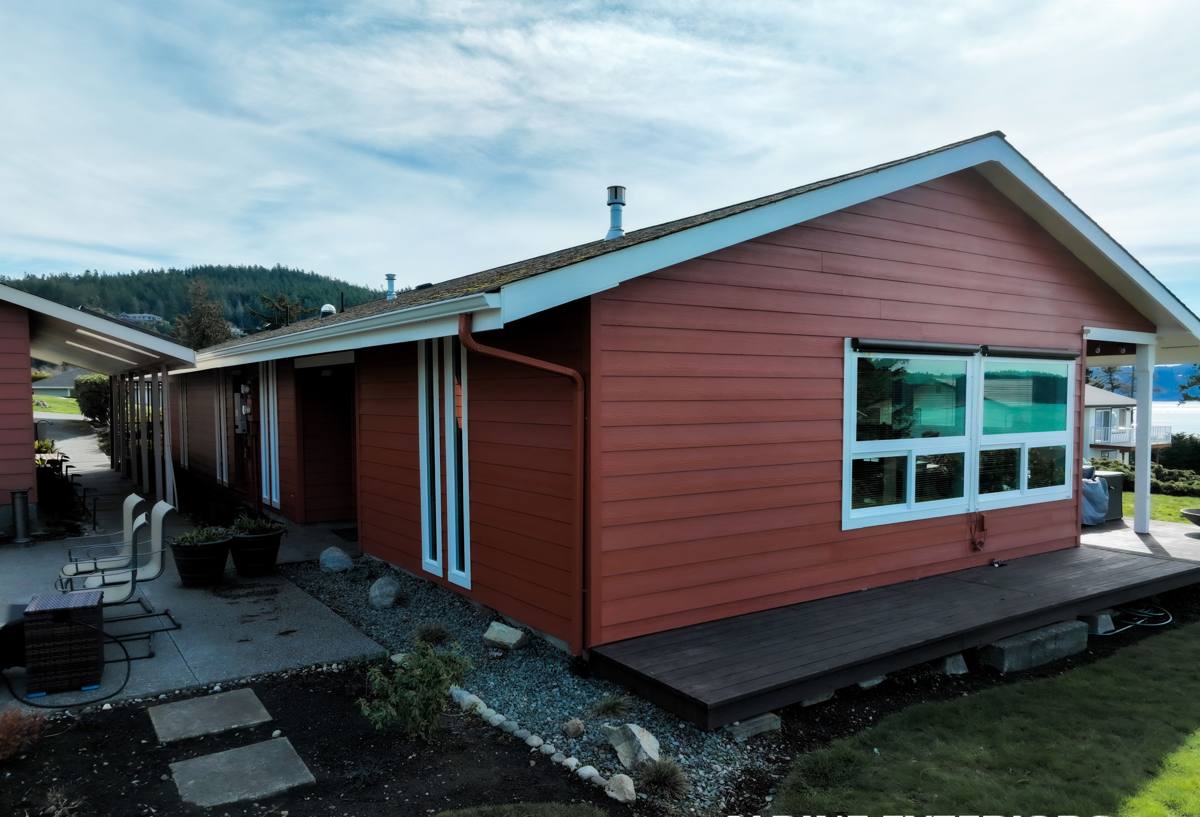
What Wesley Chapel's Climate Actually Does to Siding
It helps to be specific about the stress factors, because they drive every decision we make on a job.
UV and Heat Cycling
Florida sun is relentless. Siding on west- and south-facing walls takes direct, high-intensity UV exposure for most of the year, which breaks down pigments and resins in lower-grade materials. Add daily heat cycling — hot afternoons followed by cooler, humid nights — and you get repeated expansion and contraction that stresses seams, caulk joints, and paint film.
Wind-Driven Rain
Afternoon storms in this part of Florida rarely fall straight down. Wind pushes rain sideways into wall assemblies, which means water intrusion at seams, laps, and penetrations is a bigger risk here than in drier, calmer climates. Siding that isn't installed with the right clearances, flashing, and fastening pattern will eventually let moisture behind it.
Hurricane-Force Wind
Wesley Chapel isn't coastal, but it's well within range of tropical systems that bring sustained high winds and gusts capable of tearing off improperly fastened siding. Wind resistance is a function of the whole assembly — the panel, the fasteners, the fastening pattern, and the substrate underneath — not just the product label.
Humidity and Salt Air
Even away from the immediate coastline, salt-laden air moves inland across the Tampa Bay region, especially on windier days. Combined with year-round humidity, this accelerates corrosion on the wrong fasteners and trim materials, and it keeps organic growth — mold and mildew — in play on any siding surface that traps moisture.
Why We Install James Hardie and Nothing Else
We made a decision as a company to install James Hardie fiber cement siding exclusively — not vinyl, not LP SmartSide, not cedar or primed spruce. That's not a marketing position; it's a practical one, built on what actually holds up in this climate.
- Non-combustible: Fiber cement doesn't feed a fire the way wood-based products can, which matters for insurance and for peace of mind.
- Dimensionally stable: Hardie panels resist the swelling, warping, and cupping that wood-based and some engineered-wood sidings are prone to in humid climates.
- Built for heat and moisture: James Hardie engineers regional product formulations specifically for high-humidity, high-UV climates like ours, rather than a single one-size-fits-all product.
- Factory-cured finish: ColorPlus finish is baked on in a controlled environment, which behaves differently — and generally lasts longer — than paint applied on site after installation.
Every siding product involves trade-offs. Vinyl is inexpensive but can warp under sustained heat and offers limited impact resistance. Untreated or primed wood products require far more ongoing maintenance to survive Florida humidity. We're upfront with Wesley Chapel homeowners about those trade-offs, and why we've chosen not to install them.
The HZ5 Product Line: Engineered for This Exact Climate
James Hardie makes different formulations of fiber cement for different climate zones, and homes in the Tampa Bay area fall into the HZ5 zone — the product line engineered for high humidity, heavy rain, and hurricane-prone regions. HZ5 products are formulated to resist moisture-related damage and to hold up to the wind and rain exposure common in Central and West Florida. Installing a product engineered for a drier, colder climate zone here would be a mismatch from day one, no matter how well it's installed.
For Wesley Chapel homes, we typically work with:
- HardiePlank lap siding — the most common choice, available in multiple textures and exposures for a traditional or modern look.
- HardiePanel vertical siding — often used for accent walls, gables, or a board-and-batten look.
- HardieTrim — matched trim boards that hold paint and dimension far better than standard lumber trim in this humidity.
What a Correct Installation Actually Involves
James Hardie siding is only as good as the installation behind it. Most of the siding failures we get called out to inspect in the greater Tampa area trace back to installation shortcuts, not the product itself. A correct job includes:
Substrate and Weather Barrier Prep
Old siding comes off, the sheathing gets inspected for rot or damage, and a code-compliant weather-resistant barrier goes on before a single piece of siding is hung. Skipping this step is the single biggest cause of hidden moisture damage.
Correct Clearances and Flashing
Siding needs proper clearance from roof lines, decks, and grade, and every penetration — windows, doors, vents, hose bibs — needs flashed and sealed correctly. This is where wind-driven rain finds its way in if it's rushed.
Fastening Pattern for Wind Exposure
Fastener type, spacing, and placement all affect how well the siding holds up to sustained wind loads. We follow James Hardie's fastening specifications for this wind zone, not a generic pattern.
Proper Joint Treatment
Butt joints and seams get treated correctly — caulked, flashed, or shiplapped per spec — so they don't become the first point of water entry after a few storm seasons.
Our Process for Wesley Chapel Projects
- On-site assessment: We walk the exterior, check the current siding and substrate condition, and note problem areas like moisture staining or rot.
- Product and color selection: We help you choose the right HardiePlank profile, texture, and ColorPlus color for your home and neighborhood.
- Detailed written estimate: Scope, materials, and timeline in writing before any work starts.
- Tear-off and substrate repair: Old siding removed, sheathing repaired as needed, weather barrier installed.
- Installation to manufacturer spec: Correct fastening, flashing, and clearances for our wind and moisture exposure.
- Final walkthrough: We inspect the finished job with you before calling it complete.
Cost Factors for a Wesley Chapel James Hardie Project
Every home is different, so we don't quote a number without seeing the house — but these are the variables that actually move the price:
| Factor | Why It Matters |
|---|---|
| Home size and wall complexity | More corners, gables, and dormers mean more cutting, trim, and labor time |
| Current siding removal | Tear-off and disposal of old vinyl, wood, or damaged siding adds labor |
| Substrate repair | Rot or moisture damage found underneath old siding needs fixing before new siding goes on |
| Product line and profile | HardiePlank, HardiePanel, and trim combinations vary in material cost |
| ColorPlus vs. field paint | Factory-finished ColorPlus costs more upfront but reduces future repainting |
| Accessibility | Two-story sections, tight lot lines, or landscaping obstacles affect labor time |
Why Working With a Crew That Already Knows Wesley Chapel Matters
A contractor who works this area regularly already understands the local permitting process, knows how this specific mix of heat, humidity, and storm exposure behaves against a home over time, and has likely already seen how different lot orientations and sun exposure play out on siding here. That familiarity shows up in fewer surprises mid-project and a finished job that's built for the conditions it actually has to survive, not a generic climate assumption.
It also means accountability. A crew with an established presence in the Tampa Bay area isn't disappearing after the invoice clears — and with a Hardie installation, that matters, since the manufacturer's transferable warranty coverage depends in part on proper installation by a qualified contractor.
Maintaining Your James Hardie Siding in Wesley Chapel
One of the real advantages of fiber cement is how little upkeep it needs compared to wood or vinyl — but "low maintenance" isn't "no maintenance." A short seasonal checklist keeps it performing:
- Rinse the exterior with a garden hose a couple of times a year to clear pollen, salt residue, and grime — skip the pressure washer, which can force water behind panels or damage caulk lines.
- Inspect caulk joints around windows, doors, and trim annually and re-caulk any cracked or separated seams before rainy season.
- Walk the perimeter after major storms and look for impact damage, loose panels, or displaced trim.
- Keep sprinklers and irrigation heads angled away from the siding to avoid constant water contact at the base of walls.
- Trim back landscaping so foliage isn't holding moisture against the siding surface.
Let's Look at Your Home
If your Wesley Chapel home's siding is aging, showing damage, or you're planning ahead for a replacement, we're happy to walk the exterior with you and give you an honest, no-pressure assessment. There's no obligation — just a straight answer about what your home needs. Fill out the form below to schedule a free estimate.