 Tampa Siding
 Metal Roofing Built for How Wesley Chapel Actually Gets Weather
Wesley Chapel has grown fast over the last two decades, and a lot of that growth means newer roofs — but "newer" doesn't always mean "right for this climate." Whether your home has an aging shingle roof or you're comparing materials before a rebuild, metal roofing is one of the few systems that genuinely holds up to what this part of the Tampa Bay area throws at a house year after year: sustained UV exposure, sudden downpours, and the wind events that come with living in hurricane country. We're a Tampa-based crew that works this corridor regularly, and this page covers what a metal roof needs to do here, what a correct installation actually involves, and how we approach the job.
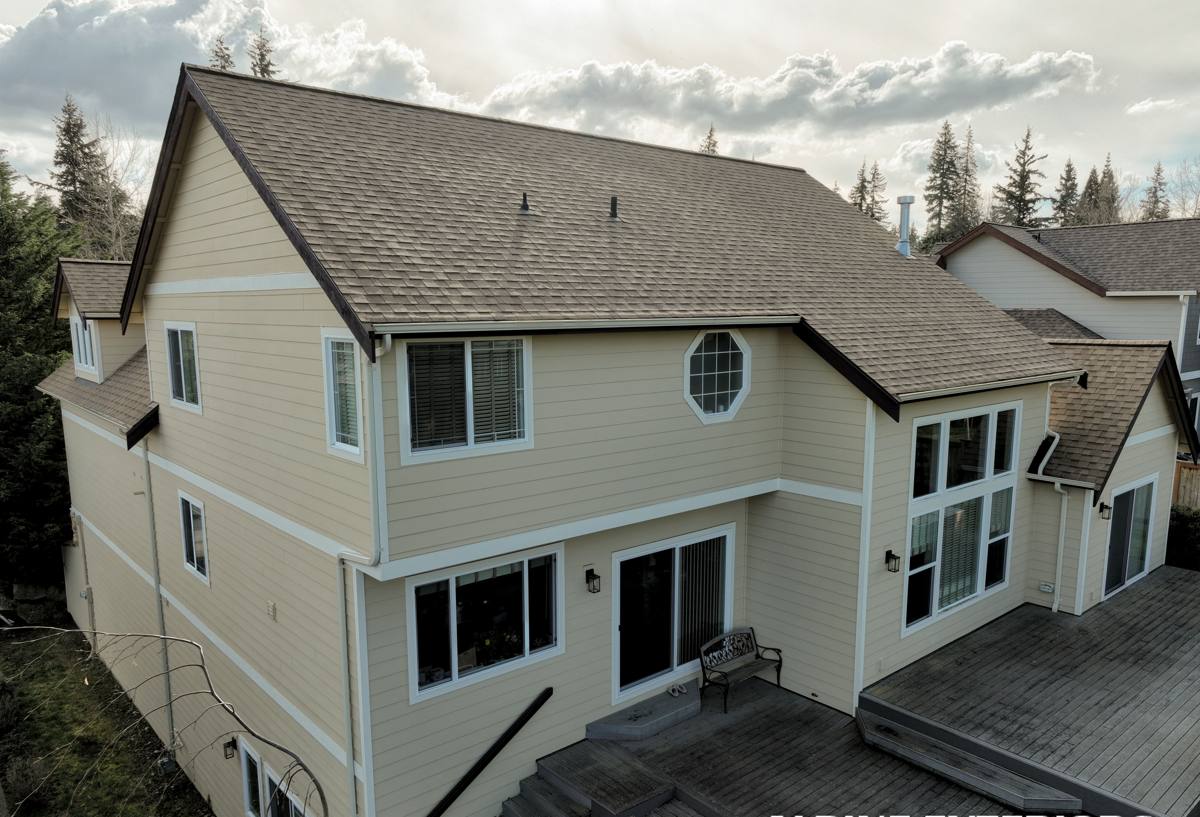
What the Local Climate Does to a Roof
Wesley Chapel sits in the fast-growing area just north of Tampa, along the Hillsborough–Pasco county line, and it gets the same weather pattern as the rest of the Tampa Bay region — just with slightly more inland exposure than the immediate coast. That combination still adds up over the life of a roof.
Wind
Tropical storms and hurricanes are a real design consideration here, not a hypothetical. Roofing in this area has to meet Florida Building Code wind-uplift requirements, and the fastening pattern, panel gauge, and clip system all matter more than they would in a low-wind state. A metal roof that's installed correctly for wind resistance behaves completely differently in a storm than one where a crew cut corners on fastener spacing or skipped the manufacturer's uplift-rated clip system.
UV and Heat
Florida sun is intense and constant, nearly year-round. UV breaks down organic roofing materials — asphalt shingles lose oils and granules, and sealants dry out and crack faster here than almost anywhere else in the country. Metal roofing handles UV exposure far better than most alternatives, but the coating quality and finish still make a real difference in how well it reflects heat and resists fading over 20-plus years.
Wind-Driven Rain
Tampa Bay storms don't just drop rain straight down — wind pushes it sideways, up under laps, and into any gap a roof system leaves open. This is where installation detail matters more than material choice. A roof can be made of the right material and still leak if the underlayment, flashing, and panel overlaps weren't done with wind-driven rain specifically in mind.
Humidity and Salt-Influenced Air
Wesley Chapel isn't immediate coastline, but the whole Tampa Bay region carries more airborne moisture and mild salt influence than inland Florida. That accelerates corrosion on unprotected metal, fasteners, and flashing that isn't rated for the environment — one more reason material and hardware selection isn't a place to cut costs.
Why Metal Roofing Fits This Area Specifically
Metal roofing isn't the right fit for every homeowner or every budget, and we'll say that plainly. But for Wesley Chapel's climate, it has real, practical advantages:
- Wind performance: Properly installed metal panel and standing-seam systems carry some of the highest wind-uplift ratings available for residential roofing.
- UV and heat reflectivity: Quality factory finishes reflect solar heat rather than absorbing it, which can ease attic heat load during Florida summers.
- Lifespan: A correctly installed metal roof commonly outlasts multiple shingle roof cycles, which matters when you're weighing upfront cost against how often you'll be re-roofing.
- Fire and impact resistance: Metal holds up well against wind-borne debris impact, which is a real concern during tropical storm season.
- Low maintenance burden: No granule loss, no algae streaking issues common to shingles in humid climates, and less routine upkeep overall.
The trade-off is upfront cost and installation sensitivity — metal rewards a crew that knows the material and penalizes one that doesn't. That's the honest trade-off, and it's worth going in with eyes open.
Metal Roofing Options and Cost Factors
Not all metal roofing is the same product wearing different clothes. The panel style, gauge, and finish all affect performance and price. Here's a general comparison to help frame the conversation before we walk your roof:
| Factor | What It Affects | What to Ask About |
|---|---|---|
| Panel style (standing seam vs. exposed-fastener) | Appearance, longevity, water-shedding at seams | Concealed fastener systems typically outperform exposed-fastener panels over time |
| Metal gauge/thickness | Wind and impact resistance | Thicker gauge generally means better uplift and hail/debris resistance |
| Coating/finish | UV reflectivity, fade resistance, corrosion resistance | Ask what finish system is used and its warranty coverage |
| Fastener/clip system | Wind-uplift rating | Confirm the fastening pattern meets Florida Building Code wind requirements for this zone |
| Underlayment | Secondary water barrier if wind drives rain under panels | Self-adhering, high-temp-rated underlayment holds up better under Florida sun and heat |
| Roof complexity | Labor cost, number of penetrations and transitions | More valleys, dormers, and penetrations mean more flashing detail — and more room for error |
Cost varies with all of the above, plus your roof's size and pitch. Rather than quote a number that doesn't mean anything without seeing your roof, we walk the property, measure, and give you a real, itemized number — not a ballpark guess.
What a Correct Metal Roof Installation Actually Involves
Metal roofing looks straightforward from the ground, but the parts that determine whether it lasts 10 years or 40 happen underneath the panels.
Deck Inspection and Prep
Before anything goes down, the roof deck gets inspected for rot, soft spots, or prior water damage. Installing new roofing over a compromised deck just hides a problem — it doesn't fix it.
Underlayment
In this climate, underlayment isn't a formality. It's the backup system that protects your home if wind-driven rain gets past the panel laps during a storm. We use underlayment rated for Florida heat and humidity, not a generic felt that degrades under sustained sun exposure.
Fastening and Wind-Uplift Detail
This is where installation quality shows up most. Fastener spacing, clip type, and panel overlap all have to match the wind zone requirements for this area under the Florida Building Code. A panel that's technically the "right" product installed with the wrong fastening pattern won't perform the way it's rated to.
Flashing and Penetrations
Valleys, chimneys, vent stacks, and wall transitions are where most roof leaks actually start — on any roof type, not just metal. Correct flashing detail at every penetration matters as much as the panels themselves.
Ventilation
Attic ventilation affects both roof lifespan and cooling costs. We check existing ventilation as part of the assessment and address it if it's inadequate for the new roof system.
Our Process, Start to Finish
- On-site assessment: We walk the roof, check the deck, note existing ventilation, and measure for an accurate quote — not a drive-by estimate.
- Written, itemized proposal: You see what's included — material, underlayment, flashing detail, and labor — before you commit to anything.
- Permitting: Metal roof installations require a permit and inspection in this area. We handle that process rather than leaving it to the homeowner.
- Tear-off or evaluation for overlay: Depending on your existing roof's condition, we determine whether a tear-off is needed or an overlay is appropriate.
- Installation: Deck prep, underlayment, panel installation, and flashing detail, done to the wind-uplift standard this area requires.
- Cleanup and walkthrough: Job site cleaned of debris and fasteners, and we walk the finished roof with you before calling it done.
- Final inspection: Coordinated with the local permitting authority to close out the job properly.
Why a Crew That Already Works Wesley Chapel Matters
Roofing code and permitting requirements vary by jurisdiction, and Wesley Chapel's growth means a mix of Hillsborough and Pasco County permitting depending on exactly where a property sits, plus HOA design guidelines in many of the area's newer communities. A crew that already works this area regularly knows which permitting office to file with, what inspectors here tend to flag, and what HOA architectural committees in these communities typically require for roofing changes — metal roof color and finish approval is a common one. That local familiarity isn't a nice-to-have; it's the difference between a job that moves smoothly and one that stalls on paperwork you didn't know you needed.
It also means we're not learning this climate on your roof. Wind-uplift detailing, flashing at valleys, and underlayment choice aren't textbook exercises for us — they're what we do on every Tampa Bay area roof, because the storms and sun here don't give a roof any room for shortcuts.
Keeping a Metal Roof Performing Long-Term
Metal roofing is low-maintenance compared to shingles, but "low-maintenance" isn't "no-maintenance," especially in this climate. A simple annual routine goes a long way:
- Visually check for loose or lifted panels after major wind events
- Clear leaves and debris from valleys and gutters so water sheds properly
- Inspect flashing around penetrations for sealant wear or gaps
- Look for any fastener backing out or showing rust staining
- Check attic ventilation isn't blocked, especially after any nearby construction or landscaping changes
- Have a professional inspection after any named storm that produced sustained high winds
Get a Straight Answer on What Your Roof Needs
If you're weighing a metal roof for a Wesley Chapel property, the most useful next step is an actual look at your roof — not a guess from a photo or a generic price range. We'll walk it, tell you honestly what condition it's in, and give you a written estimate with no pressure to sign anything on the spot. The form below gets you started.