 Tampa Siding
 Roofing in Wesley Chapel: A Different Set of Demands
Wesley Chapel has grown fast, and most of the homes here are still fairly young by Florida standards — but "young roof" doesn't mean "roof with years left." Sun, storms, and humidity work on a roof whether the house was built in 1998 or 2015, and a lot of the original roofs from the area's early growth years are now well past the point where another repair makes sense.
A roof out here has to hold up against several things happening at once, not just one. Hurricane-force wind gusts test every nail and shingle tab. Intense, nearly year-round UV exposure bakes asphalt shingles and dries out the oils that keep them flexible. Sudden, wind-driven thunderstorms push rain sideways up under the shingle line instead of straight down, which is exactly the kind of moisture path a properly detailed roof is built to stop. And even though Wesley Chapel sits well inland from the Gulf, the humid, sometimes salt-tinged air that moves across the greater Tampa Bay region still speeds up corrosion on exposed nails, flashing, and vent components over time. None of these are dramatic on their own. Together, year after year, they're what actually wears a roof out.
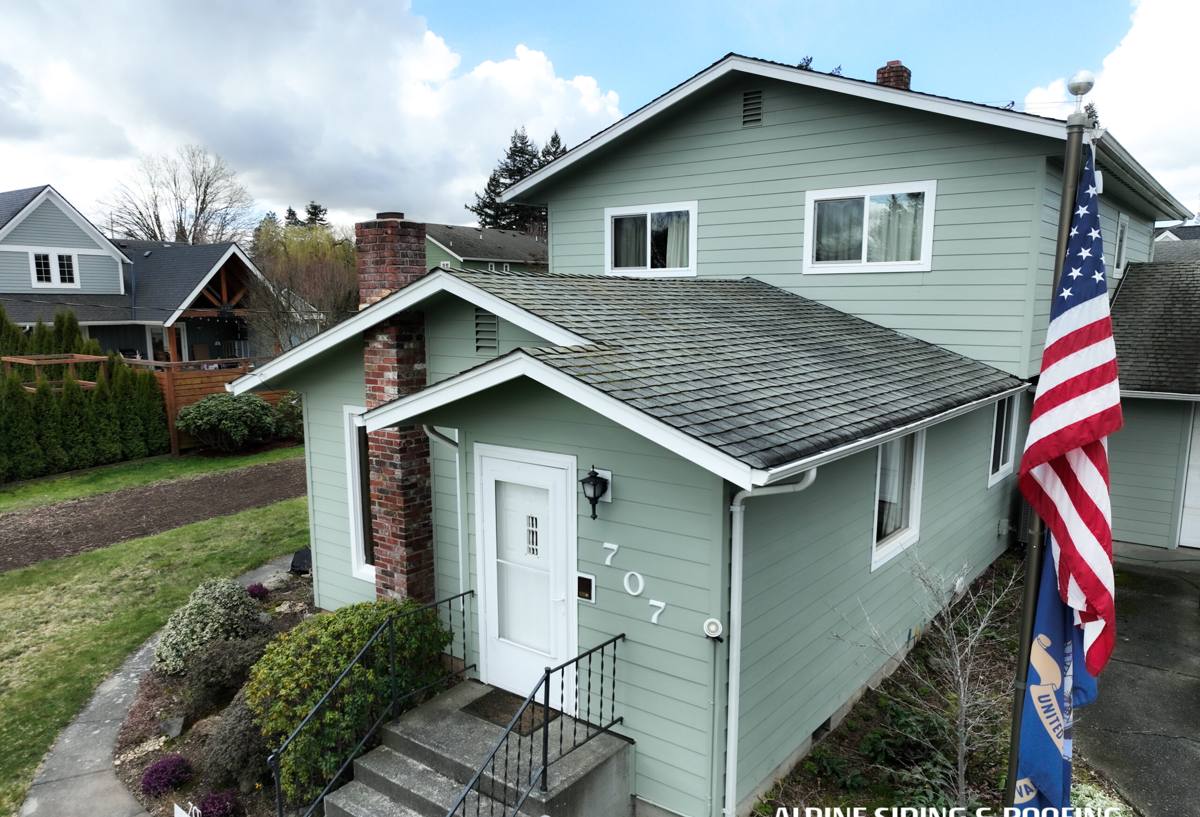
Signs a Wesley Chapel Roof Needs Replacement, Not Another Repair
We get called out to plenty of roofs where a patch would just be delaying the inevitable and adding cost. Here's how we tell the difference on a home in this area.
- Granule loss heavy enough that you're finding sand-like grit in gutters or at downspout outlets
- Shingles that are curling, cupping, or cracking across large sections rather than one isolated spot
- Soft or spongy decking felt underfoot, or visible sagging along the roofline
- Repeated leaks in different spots after storms, rather than one recurring trouble area
- Roof is 18–20+ years old and has never had underlayment or flashing upgraded
- Visible daylight through the attic decking, or musty attic odor pointing to trapped moisture
- Missing or lifted shingles after high wind, especially near ridges, valleys, and edges
One or two of these on their own might be a repair. Several together, especially on an older roof, usually mean the underlying materials are past their working life and a patch will just fail again in the next storm.
What a Correct Roof Replacement Actually Involves
A roof replacement is more than swapping old shingles for new ones. The parts you can't see from the ground are what determine whether the roof performs in year twelve the way it did in year one.
Tear-Off and Deck Inspection
We remove the old roofing down to the deck rather than layering over it, which is standard practice for a proper replacement in this climate. That lets us inspect the plywood or OSB decking underneath for water damage, soft spots, or rot — problems that are invisible until the old shingles come off, and that have to be fixed before anything new goes down. Skipping this step is one of the most common shortcuts in cheap roof jobs, and it's the reason some "new" roofs leak within a few years.
Underlayment and Water Barrier
Given how much wind-driven rain this region sees, the underlayment matters as much as the shingles on top of it. We use a synthetic or self-adhering underlayment system appropriate to the roof pitch and exposure, with extra protection — typically a peel-and-stick membrane — at valleys, eaves, and other spots where water tends to find its way in.
Flashing and Penetrations
Every place something interrupts the roof plane — chimneys, vent stacks, skylights, wall-to-roof transitions — is a place water can get in if the flashing is reused, rusted, or improperly lapped. New flashing at these points is standard on every replacement we do, not an upsell.
Ventilation
Florida attics run hot, and poor ventilation shortens shingle life from underneath by trapping heat and moisture against the decking. We check that intake and exhaust venting are balanced for the attic's size, and correct it where the original build fell short — which is common in homes where ventilation was an afterthought rather than a calculation.
Choosing a Roofing Material for This Climate
There's no single "best" roofing material — the right choice depends on budget, how long you plan to stay in the home, and how much maintenance you want to think about. Here's an honest comparison of the main options homeowners in this area consider.
| Material | Typical Lifespan | Wind Performance | Relative Cost | Maintenance |
|---|---|---|---|---|
| 3-Tab Asphalt Shingle | 15–20 years | Lower wind rating; earliest to show wear in high-wind areas | $ | Low, but shorter life means replacement sooner |
| Architectural (Laminate) Shingle | 20–30 years | Higher wind rating than 3-tab; good balance for this climate | $$ | Low; periodic inspection after major storms |
| Standing Seam Metal | 40–50+ years | Excellent when properly fastened; sheds wind-driven rain well | $$$ | Very low; occasional fastener/seam check |
| Concrete or Clay Tile | 30–50 years | Strong when correctly installed; underlayment failure is the real long-term risk | $$$ | Moderate; individual tiles can crack and need replacement |
We install architectural shingles on the large majority of Wesley Chapel homes we replace, simply because they give the best balance of upfront cost, wind performance, and longevity for a standard residential roof. Metal and tile both have real advantages, but they come with higher upfront cost and, for tile, a heavier reliance on the underlayment doing its job for decades — something worth discussing honestly rather than glossing over, since the tile itself can outlast the water barrier underneath it if that layer isn't installed and maintained correctly.
Wind Ratings and Florida Building Code
Roofing in this state isn't a "pick whatever looks nice" decision — the Florida Building Code sets minimum requirements for wind uplift resistance, nailing patterns, and underlayment based on your area's design wind speed. A roof permitted and inspected correctly is built to a documented standard; one thrown together without proper permitting may look fine on day one and still fail the requirements that protect it — and you — in the next storm.
Practically, this means:
- Shingles and fasteners rated for the wind speeds required in this part of Florida
- A nailing pattern that matches manufacturer and code specifications, not just "close enough"
- Proper permit pulled with the local building department and a final inspection completed
- Documentation you can hand to your insurance carrier showing the roof meets current code
That last point matters more than most homeowners realize. A permitted, code-compliant replacement can affect your homeowner's insurance premium and is often required for full coverage after a claim. We handle the permitting and inspection process as a standard part of the job, not as something you have to chase down yourself.
Our Replacement Process, Start to Finish
- On-site inspection and estimate — we assess the current roof, attic ventilation, and any deck concerns, and give you a written, itemized estimate with no pressure to decide on the spot.
- Material selection — we walk through the realistic options for your budget and roof type, including color and style choices that fit the neighborhood.
- Permitting — we pull the required permit before work begins.
- Tear-off and deck inspection — old materials removed, decking inspected and repaired where needed.
- Underlayment, flashing, and ventilation work — the layers that determine long-term performance go in correctly, not rushed.
- New roofing installed — following manufacturer specs and code-required nailing patterns.
- Site cleanup — magnetic sweep for nails, debris hauled off, yard and driveway left clean.
- Final inspection and walkthrough — county or local inspection completed, and we walk the finished roof with you before calling the job done.
Why Local Experience in the Wesley Chapel Area Matters
A roof replacement isn't just a technical job, it's a logistics job — and local familiarity affects how smoothly it goes. Knowing the permitting process and inspection scheduling for this area means fewer delays. Many neighborhoods in and around Wesley Chapel have HOA guidelines governing shingle color, style, or material that a crew unfamiliar with the area might not think to check before ordering materials. And a contractor who has actually worked roofs through Tampa Bay's storm seasons understands, firsthand, how wind-driven rain behaves on a real roof in a real storm — not just in a manufacturer's spec sheet.
That local knowledge doesn't replace good workmanship, but it does mean fewer surprises: permits that get approved without back-and-forth, material orders that match what your HOA actually allows, and a crew that isn't learning the area's climate on your roof for the first time.
Questions Worth Asking Before You Hire
- Are you licensed and insured to do roofing work in Florida, and can I see proof?
- Will you pull the permit, and is that included in the estimate?
- What underlayment and flashing will you use, specifically — not just "standard"?
- What's the manufacturer's wind rating on the shingle or material you're quoting?
- Is the estimate itemized, or is it a single lump number I can't break down?
- Who's actually on the crew doing the work — subcontracted, or your own team?
Any contractor who hesitates on these questions is worth a second thought. These aren't trick questions — they're the basics of a job done right.
Protecting Your Investment After Installation
A correctly installed roof still benefits from basic upkeep. Keep gutters clear so water isn't backing up under the roof edge during heavy rain. After any major wind event, a quick visual check — or a call to us for a look — can catch a lifted shingle or damaged flashing before it turns into a leak. Trim back overhanging branches that can scrape shingles or drop debris during storms. None of this is intensive, but it's the difference between a roof that reaches the top of its expected lifespan and one that gets cut short by a small problem left unaddressed.
If your roof is showing its age, was damaged in a recent storm, or you're just not sure whether it's a repair or a replacement situation, we're happy to take a look and give you a straightforward answer — no pressure, no upselling. Fill out the form below for a free estimate on your Wesley Chapel roof replacement.