 Tampa Siding
 Asphalt Shingle Roofing Built for Westchase, Not Just Installed Here
Westchase sits in northwest Hillsborough County, close enough to Tampa Bay and the Gulf that every roof here answers to the same set of conditions: hurricane-force wind gusts during storm season, intense year-round UV exposure, wind-driven rain that finds any weak seam, and a steady dose of salt air. Asphalt shingle roofing is still the most practical, cost-effective option for the vast majority of homes in the area, but "asphalt shingles" isn't a single product — it's a category, and the difference between a roof that holds up for two decades and one that fails in its first big storm usually comes down to the shingle chosen and how it's installed, not the material itself.
This page covers what an asphalt shingle roof needs to actually perform in Westchase, what a correct installation involves, and how we approach the job when we're on your roof.
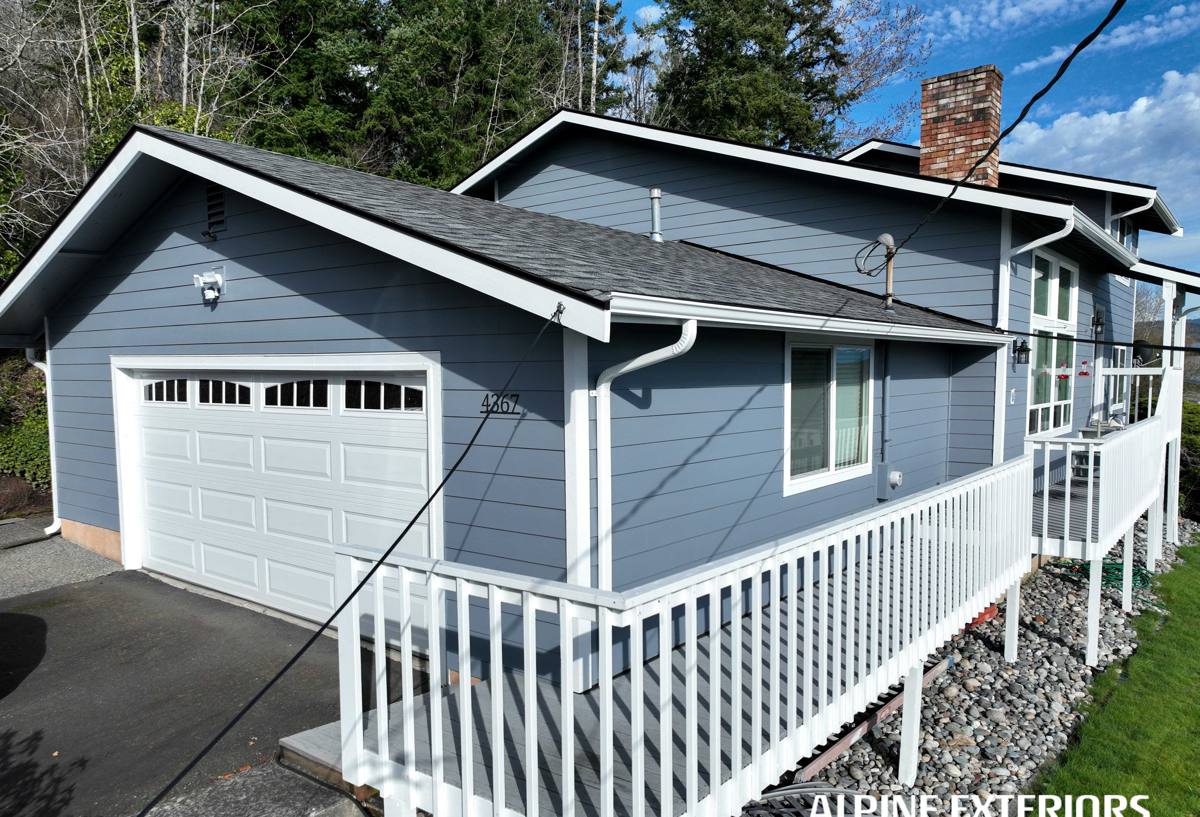
Why Westchase Roofs Take a Different Kind of Beating
Every roofing material in Florida deals with heat and sun. What makes the Tampa area — and Westchase specifically — demanding is the combination:
- Wind: Hillsborough County sees tropical storm and hurricane-force gusts most years, and even "near miss" storms push sustained winds strong enough to lift poorly fastened shingles.
- UV exposure: Florida's sun year-round breaks down asphalt oils faster than in most of the country, which is why shingle warranties here rarely play out the way the label suggests.
- Wind-driven rain: Storms in this area rarely fall straight down. Rain gets pushed sideways under wind pressure, which means flashing, underlayment, and sealed edges matter as much as the shingles themselves.
- Salt air: Being close to the coast means metal components — flashing, nail heads, vent housings — corrode faster than they would inland, which shortens the life of anything not rated for coastal exposure.
None of this makes asphalt shingles a bad choice for Westchase. It just means the product spec and the installation details have to account for these conditions, not a generic national standard.
What a Correct Asphalt Shingle Roof Actually Involves
A shingle roof is a system, not a single layer. Homeowners usually see the shingles and judge the whole job by how they look, but most roof failures we get called out for start below the shingle line.
Underlayment and Flashing
The underlayment is the water barrier beneath the shingles, and it's what protects the deck if wind ever lifts or damages a shingle during a storm. In a wind-driven-rain climate like ours, we treat underlayment as a real line of defense, not a formality — especially at valleys, chimneys, skylights, and wall intersections, where flashing does the actual work of keeping water out. Poorly formed or reused flashing is one of the most common causes of slow leaks we find on Westchase roofs that otherwise "look fine" from the ground.
Nailing Pattern and Wind Rating
A shingle's wind rating is only as good as its installation. Under-nailing, over-driven nails, or nails placed outside the manufacturer's nailing zone can cut a shingle's real-world wind resistance dramatically, even if the product itself is rated for high wind. This is one of the most common shortcuts we see on jobs where a crew is trying to move fast — it doesn't show up as a problem until the next serious wind event.
Choosing the Right Shingle for Hillsborough County Conditions
Not every shingle sold at a supply house is a good fit for a coastal Florida wind zone. Here's how the main categories compare for a Westchase installation:
| Shingle Type | Typical Wind Rating | Typical Lifespan Here | Best Fit |
|---|---|---|---|
| 3-tab (standard) | Lower end of rated range | Budget-driven jobs; least common choice we recommend for this area | |
| Architectural / laminate | Higher, especially with enhanced-fastening install | Longer, thicker construction resists UV better | Most Westchase homes — good balance of cost, durability, and appearance |
| Premium / designer | High, varies by product line | Longest of the asphalt options | Homeowners prioritizing appearance and longevity, willing to pay more up front |
Beyond wind rating, we also look at granule quality (which affects UV resistance and algae staining in our humidity) and the manufacturer's actual installation requirements for high-wind zones — some product lines require specific nailing patterns or sealant strip performance to qualify for their strongest wind warranty, and skipping those details voids protection the homeowner thinks they have.
Ventilation and Moisture: The Part Homeowners Don't See
Attic ventilation doesn't get much attention because it's invisible from the street, but it directly affects how long a shingle roof lasts in Florida heat. A poorly ventilated attic runs hotter, which cooks the underside of the shingles and the deck from below while the sun works on them from above. It also traps humidity, which over time can affect the roof deck and insulation. A correct install balances intake (usually at the soffit) with exhaust (ridge or other vents) so air actually moves through the attic space instead of just sitting there. This is a detail that costs little to get right during installation and is expensive to fix after the fact.
Our Installation Process
When we install or replace an asphalt shingle roof in Westchase, the process generally looks like this:
- Roof and attic assessment — we check the existing deck, ventilation, flashing points, and any signs of prior leaks before quoting anything.
- Tear-off and deck inspection — old material comes off down to the deck so we can see and fix any rot or soft spots, not cover them up.
- Underlayment and flashing installation — water barrier and flashing go in first, sealed at every penetration and valley.
- Shingle installation to manufacturer and wind-zone specification — correct nailing pattern, exposure, and sealant activation for the product installed.
- Ventilation check — intake and exhaust confirmed or corrected as part of the job, not treated as a separate add-on.
- Final walkthrough — we go over what was done and answer questions before calling the job complete.
We don't shortcut the tear-off step. Installing new shingles over a deck with hidden damage just hides a problem under a warranty that won't cover it.
Repair vs. Replace: What We Look For in Westchase Homes
Not every roof issue means a full replacement, and we'd rather give you an honest read than sell a bigger job than you need. A few things guide that call:
- Age and remaining shingle life — a roof near the end of its expected service life is a poor candidate for patch repairs before the next storm season.
- Extent of the damage — isolated wind or debris damage to a section is usually repairable; widespread granule loss or brittle shingles across the whole roof usually isn't.
- Underlying deck condition — if there's rot or repeated leak damage to the deck itself, repair work on the surface won't solve the real problem.
- Insurance and inspection factors — sometimes a documented repair is the right move now, with replacement planned before it becomes urgent.
We'll tell you plainly which category your roof falls into and why, rather than defaulting to "replace" on every visit.
Maintenance and Storm-Season Checklist
Asphalt shingle roofs in this climate benefit from a little regular attention rather than being ignored until there's a leak. Before hurricane season and after any major storm, it's worth checking:
- Loose, lifted, or missing shingles, especially near ridges, valleys, and roof edges
- Granules collecting in gutters, which can signal accelerating wear
- Flashing around chimneys, skylights, and roof-wall intersections for gaps or corrosion
- Soffit and fascia condition, since ventilation and edge protection depend on them
- Signs of water staining on interior ceilings, which often show up before a leak is visible from outside
- Overhanging tree limbs that could drop debris or abrade shingles in high wind
A short inspection twice a year, plus a look after any significant storm, catches most problems while they're still a repair instead of a replacement.
Permits, Codes, and Insurance in Hillsborough County
Roof replacement in Hillsborough County requires a permit, and inspections are part of the process — this isn't paperwork we skip to save time. Beyond the permit itself, a few things matter specifically for this area:
Wind Mitigation and Insurance
Florida homeowners insurers offer wind mitigation credits for roofs built or replaced to current code, including things like proper roof-to-wall connections and secondary water barriers. After a qualifying reroof, a wind mitigation inspection can document those upgrades for your insurer — it's worth asking your contractor whether your new roof qualifies, since the discount can be meaningful over time.
Code-Compliant Installation
Current Florida Building Code requirements for this region reflect the wind exposure Hillsborough County actually sees. A roof installed to spec — correct nailing, underlayment, and flashing — isn't just about passing inspection; it's the same standard that determines whether the roof performs when a real storm hits.
Why a Crew That Already Works Westchase Matters
Roofing crews who work across a wide, varied territory tend to default to generic specs because they're not thinking about any one area's conditions in particular. A crew that regularly works Westchase and the surrounding Tampa neighborhoods already knows the wind exposure, the storm patterns, and the kind of shingle performance that actually holds up here — not just on paper, but through an actual hurricane season. That familiarity shows up in small decisions: which flashing details get extra attention, which shingle lines are worth the upgrade in this specific wind zone, and what ventilation setup makes sense for the area's heat and humidity. It also means faster response if you need a storm-related repair, rather than waiting on a crew that has to drive in from across the county.
If you're considering a new asphalt shingle roof, a repair, or just want an honest read on where your current roof stands, we're happy to take a look. Reach out for a free, no-pressure estimate using the form below.