 Tampa Siding
 Why Ybor City Homes Need More Than a Standard Window
Ybor City sits close enough to Tampa Bay that its housing stock takes a beating most inland neighborhoods never see. Between the historic brick cigar-worker cottages, early-1900s bungalows, and the newer infill going up around the district, window needs vary a lot from block to block — but the climate stress on all of them is the same. Hurricane-force winds during storm season, wind-driven rain that finds every gap in a tired frame, intense UV exposure nearly year-round, and salt-laden air drifting in off the bay all work against ordinary windows faster than homeowners expect.
"Energy-efficient" in this part of Hillsborough County can't just mean a good U-factor on a spec sheet. It has to mean a window that keeps its seal through pressure swings, resists glass and frame degradation from constant sun, and doesn't corrode or swell in humid, salty air. A window that's efficient on day one but fails structurally or loses its seal within a few years isn't actually efficient — it's a short-term fix with a long-term bill attached.
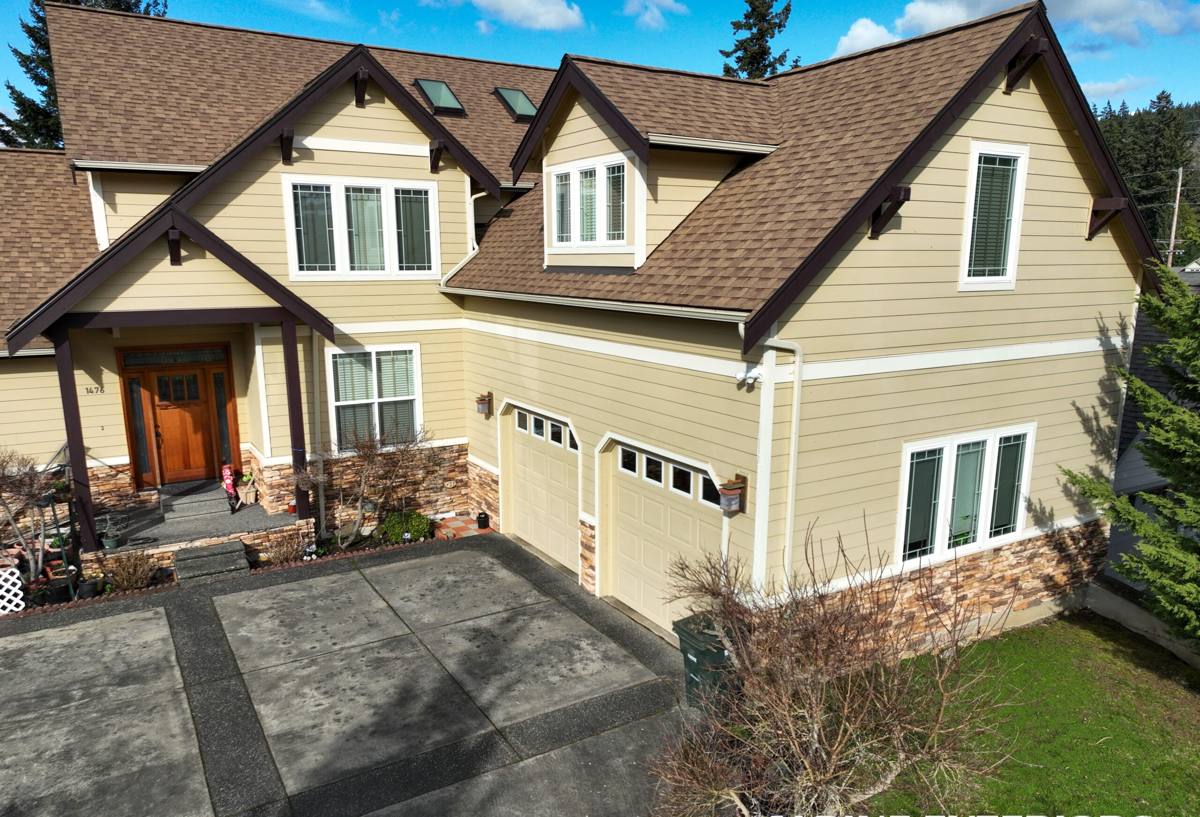
What Ybor City's Climate Actually Does to Windows
Heat and UV
Tampa gets sun exposure most of the year, and that UV load breaks down window seals, dries out gaskets, and fades interior finishes faster than in milder climates. Glass and frame materials that aren't rated for sustained UV exposure will show it within a handful of years — chalking, brittleness, and seal failure are the usual signs.
Humidity and Salt Air
Proximity to Tampa Bay means salt-laden moisture in the air, even a few miles inland. That accelerates corrosion on hardware, fasteners, and lower-grade aluminum components, and it pushes more moisture into any gap in the building envelope. Humidity also means condensation issues are more common with poorly insulated glass, especially where interior air conditioning creates a sharp temperature differential against the glass surface.
Wind and Wind-Driven Rain
During tropical storms and hurricanes, the risk isn't just wind pressure on the glass — it's wind-driven rain forced sideways under enough pressure to push past inadequate flashing and seals. Even when a window survives the wind load, poor installation can let water intrusion damage framing, drywall, and insulation behind it.
What "Correct" Actually Means for This Job
A proper energy-efficient window installation in this area rests on a few non-negotiables. Skipping any one of them is how homeowners end up with a window that looks fine but underperforms or fails early.
- Windows rated for the wind pressures applicable to the home's location and elevation under the Florida Building Code
- Correct rough-opening flashing and weatherproofing — not just caulk around the trim
- Low-E glass coatings matched to Florida's cooling-dominated climate, not a generic northern-climate spec
- Frame material suited to humidity and salt exposure, with corrosion-resistant hardware and fasteners
- Proper shimming and anchoring so the frame doesn't rack out of square under wind load or house settling
- Sealant and backer rod installed to manufacturer spec, not just a bead run around the exterior
None of these show up in a quick visual inspection after the job is done. They show up three years later, in a water stain on drywall, a window that won't latch square, or an energy bill that never dropped the way it should have.
Frame and Glass Options for This Climate
There's no single "best" window for every Ybor City home — a 1920s cottage and a newer build have different structural realities and different aesthetic expectations. The table below lays out honest trade-offs for the frame materials most commonly used in this market.
| Frame Material | Strengths in This Climate | Trade-offs |
|---|---|---|
| Vinyl | Won't rust or corrode in salt air; good insulation value; low maintenance | Can expand/contract with heat cycling if lower-grade; color/finish options more limited |
| Aluminum | Strong, slim sightlines, historically common in older Tampa homes | Conducts heat unless thermally broken; more prone to corrosion near the bay without proper coatings |
| Fiberglass | Very stable in heat, strong, holds paint well, low expansion/contraction | Higher upfront cost than vinyl |
| Wood/Wood-clad | Fits historic character in parts of Ybor City | Highest maintenance burden in humid, insect-prone climate; needs consistent upkeep to avoid rot |
For glass, Low-E (low-emissivity) coatings paired with an insulated dual-pane assembly are the baseline for real energy performance here. In a heat-dominated climate like Tampa's, the coating and tint should be selected to block solar heat gain, not just retain interior heat — a spec built for a cold-climate home will underperform on your cooling bill.
Impact Resistance and Storm Protection
Hillsborough County's building codes tie window requirements to the home's wind exposure and the county's wind-borne debris rules, and requirements can vary by property. Homeowners generally have two paths to compliance: impact-rated windows built to resist debris strikes directly, or code-compliant windows paired with approved storm shutters or panels. Impact windows carry a higher upfront cost but mean one less thing to manage before a storm — no shutters to install, no plywood to cut. They also tend to do double duty as better sound and UV barriers day-to-day, since the same laminated glass that resists impact also cuts down on both.
Whichever path fits your home and budget, the permit and code requirements should be confirmed for your specific property before any order is placed — window specs that are legal three miles away aren't automatically legal on your block.
Our Installation Process
- On-site assessment. We look at existing window condition, framing, and any signs of past water intrusion before recommending anything.
- Product selection. We walk through frame material, glass package, and impact-rating options based on your home's exposure and your budget — no upselling products your house doesn't need.
- Permitting. We handle the Hillsborough County/City of Tampa permit process so the job is documented and inspected correctly.
- Removal and prep. Old windows come out carefully to protect the rough opening, and we inspect framing for hidden rot or damage before anything new goes in.
- Flashing and installation. Proper weatherproofing goes in before the window, not after — this is the step that determines whether the window actually keeps water out.
- Sealing and finish work. Interior and exterior trim, caulking, and hardware checks to confirm smooth, square operation.
- Final walkthrough and inspection. We confirm the job passes county inspection and walk the homeowner through operation and care.
Signs Your Current Windows Are Working Against You
Most homeowners don't replace windows on a schedule — they replace them when the windows start costing money in ways that are easy to miss until you know what to look for.
- Visible condensation or fogging between panes (a failed seal, not a cleaning problem)
- Air movement or a draft you can feel near the frame with the AC running
- Difficulty opening, closing, or latching — often a sign of a racked or warped frame
- Fading fabric, flooring, or furniture near south- or west-facing windows
- Rising cooling bills without a clear cause elsewhere in the home
- Soft drywall, staining, or a musty smell near window openings after heavy rain
- Visible corrosion on hardware or frame components
Any one of these is worth a look. Several together usually mean the windows are past the point where caulk and weatherstripping will fix the underlying problem.
Maintenance That Actually Matters Here
Salt air and humidity mean maintenance isn't optional the way it might be inland. A simple annual routine — rinsing accumulated salt residue off exterior frames and hardware, checking weep holes stay clear, inspecting caulk lines for cracking, and testing that locks and hinges move freely — goes a long way toward getting the full service life out of a window investment. Skipping this is one of the more common reasons homeowners see performance drop off faster than expected.
Why a Crew That Already Works Ybor City Matters
Window installation done to a generic national standard can still fail here, because it wasn't built around this specific mix of heat, humidity, salt exposure, and wind risk. A crew that regularly works in and around Tampa knows the Hillsborough County permitting process, understands the mix of older and newer housing stock in this part of the city, and has already seen what happens when installations cut corners on flashing or fastener selection in this climate. That's the difference between a window that performs for a season and one that performs for its full rated lifespan.
If you're weighing whether it's time to replace your windows — or just want an honest read on the condition of what you have now — we're glad to take a look. Reach out for a free, no-pressure estimate using the form below.