 Tampa Siding
 Ybor City Roofs Face a Tougher Climate Than Most People Realize
Ybor City sits close to Tampa Bay, which means every roof in the neighborhood deals with the same one-two punch: tropical systems that bring hurricane-force wind and wind-driven rain, and long stretches of intense Florida sun in between storms. That combination is harder on a roof than either one alone. UV exposure bakes shingles and dries out sealants year-round, and then a storm arrives and tests every weak point that heat and sun have already created. Add in the salt air drifting in off the bay, which speeds up corrosion on fasteners, flashing, and any exposed metal, and you have a roofing environment that punishes shortcuts.
Storm damage repair here isn't just about patching what the wind tore loose. It's about understanding how Hillsborough County's climate sets a roof up to fail at its weakest points first, and repairing in a way that holds up through the next system, not just the next dry spell.
Older Homes, Different Vulnerabilities
Ybor City has one of the more distinctive housing stocks in the Tampa Bay area — a mix of historic shotgun houses, cigar-worker cottages, and bungalows built long before modern wind codes existed, alongside renovated properties and newer infill construction. The older homes often have simpler roof shapes but original or aging decking underneath, sometimes with layers of past repairs stacked on top of each other. That matters after a storm: wind and water don't just damage the top layer, they can find gaps in decades-old flashing details or work into decking that's already lost some structural integrity from years of heat cycling and humidity.
Newer Construction and Renovated Properties
Homes that have been updated or built more recently generally have better decking attachment and more modern underlayment, but they're not immune. A lot of storm damage on newer roofs shows up at penetrations — vent boots, skylights, chimney flashing — and at ridge and edge details where wind uplift concentrates. Correct repair still means checking those specific points, not just the field of the roof.
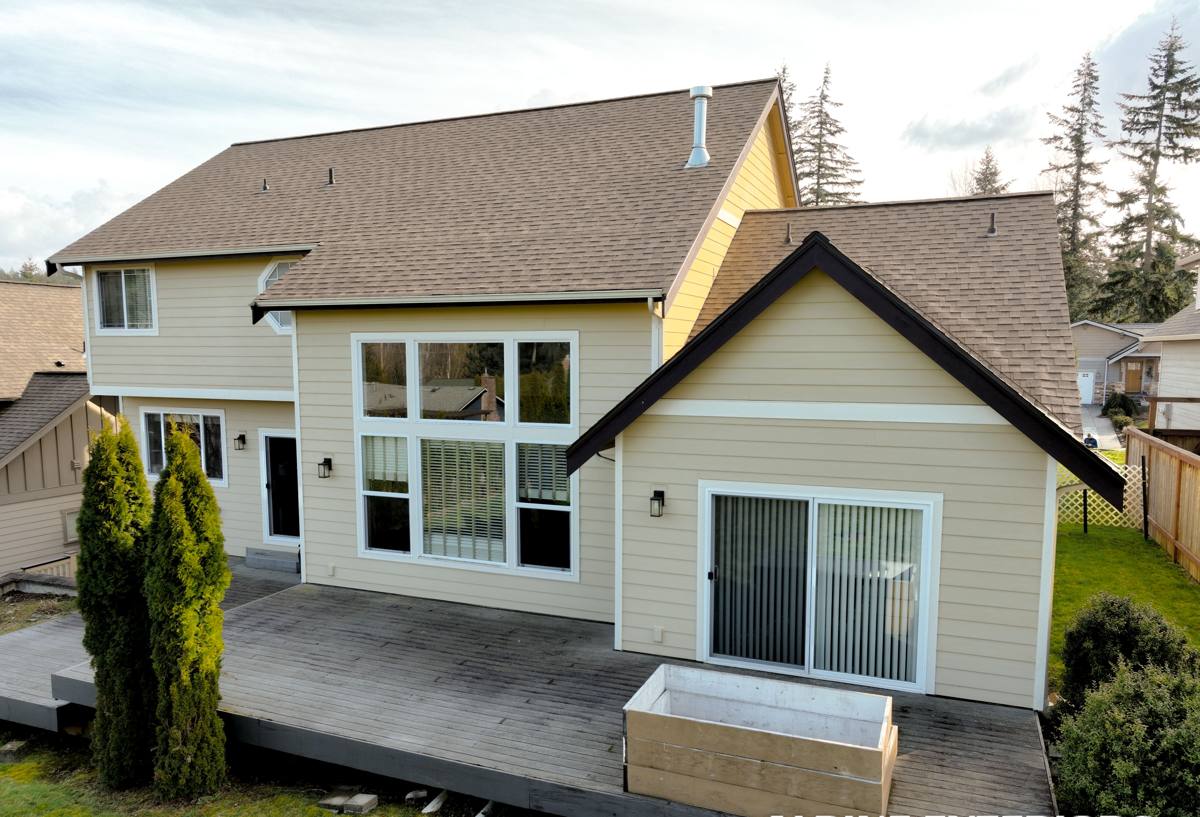
What Actually Counts as Storm Damage
Storm damage isn't always the dramatic, obviously-missing-shingles kind. In this climate, it shows up in a few recognizable patterns:
- Wind uplift that creases or lifts shingles without fully removing them — easy to miss from the ground
- Wind-driven rain forced sideways under shingles, flashing, or at roof-wall intersections, showing up later as a ceiling stain
- Impact damage from tree limbs, debris, or hail, which can bruise shingles even when the surface looks intact
- Granule loss that accelerates after a storm because UV-baked shingles were already brittle
- Loosened or corroded flashing and fasteners, especially where salt air has already been working on the metal
A roof can take on water for weeks after a storm before a stain appears inside, which is why a proper post-storm inspection looks for cause, not just visible symptoms.
What a Correct Storm Damage Repair Actually Involves
A repair that just replaces the shingles you can see from the driveway is a temporary fix at best. Doing it right means checking the system underneath, since that's what actually keeps water out.
The Parts Homeowners Don't See
Underneath the shingles, a storm-damaged roof needs to be checked for:
- Decking condition — soft, delaminated, or water-stained sheathing has to be replaced, not covered over
- Underlayment — if it's torn or soaked, it needs replacing even if the shingles above it look salvageable
- Flashing at every penetration and transition — valleys, walls, chimneys, vents — since this is where most wind-driven rain actually gets in
- Fastener condition — nails backed out by wind uplift or corroded by salt air won't hold the next time wind loads the roof
- Ventilation — storm repairs are a good moment to confirm intake and exhaust are still balanced, since trapped heat and moisture accelerate the next round of damage
Skipping any of these to save time turns a repair into a roof that fails again in the next named storm, sometimes worse than the first time.
Insurance and Documentation
Most storm damage repair in this area involves a homeowner's insurance claim at some point, and the quality of the documentation matters almost as much as the repair itself. We photograph and describe damage before any repair work begins, note the likely cause (wind, wind-driven rain, impact), and give a clear, itemized scope so there's a record that matches what actually happened to the roof. We're not a public adjuster and we don't negotiate your claim for you, but a contractor who documents honestly and thoroughly makes that whole process smoother, whichever way it goes.
How Our Storm Repair Process Works
- Inspection first. We walk the roof (or use a safe alternative if conditions don't allow it) and document damage before touching anything.
- Temporary protection if needed. If there's active exposure, we get the roof dried in and secured before doing anything else — that's the priority in the first 24-48 hours after a storm.
- Clear scope and honest recommendation. We tell you whether it's a targeted repair or something that's crossed the line into needing a larger section replaced, and why.
- Repair done to code, not just to match. Decking, underlayment, and flashing get replaced where damaged, not just papered over.
- Final check. We confirm the repair area ties in cleanly with the surrounding roof and that drainage and ventilation weren't disrupted by the work.
Repair vs. Replacement — What Actually Drives the Decision
Not every storm-damaged roof needs to come off. The honest answer depends on a handful of factors, and a straight repair-or-replace table only tells part of the story — this is meant to give you a sense of what we're weighing, not a quote.
| Factor | Favors Repair | Favors Replacement |
|---|---|---|
| Roof age | Roof is well within its expected service life | Roof was already near the end of its life before the storm |
| Extent of damage | Damage is localized to one slope or area | Damage is spread across multiple sections or the whole roof |
| Decking condition | Decking underneath is sound | Widespread soft spots or water-stained sheathing |
| Material availability | Matching shingles are readily available | Discontinued material makes a clean match impossible |
| Storm history | First significant damage in a long while | Repeated storm damage suggests underlying, systemic weak points |
We'll walk you through where your roof lands on these factors and give you our honest recommendation, including when a repair is genuinely the right call and doesn't need to turn into an upsell.
Why Local Experience in Ybor City Specifically Matters
A crew that only occasionally works this neighborhood can miss things that matter here. Ybor City's recognized historic district status means some exterior work on designated structures may need to go through local historic preservation review before it starts — something a contractor unfamiliar with the area can easily overlook, costing you time later. The mix of older and renovated homes also means roof-to-roof, the right repair approach can look completely different a few houses apart, which isn't something you can price or plan correctly without having actually worked on that housing stock.
There's also the practical side: knowing how to stage equipment and manage access on narrower lots and brick streets, understanding which local suppliers can turn around matching materials quickly after a storm when demand across Hillsborough County spikes, and having a working relationship with the county's permitting process so repairs don't stall waiting on paperwork. None of that is complicated, but it's the difference between a repair that goes smoothly and one that drags on for weeks.
Reducing Damage From the Next Storm
Once a storm repair is done, a few habits go a long way toward keeping the next system from causing a repeat problem:
- Have the roof inspected after any named storm, even if you don't see obvious damage from the ground
- Keep gutters and downspouts clear so wind-driven rain has somewhere to go instead of backing up under the roof edge
- Trim back tree limbs that could become wind-borne debris in the next event
- Address minor flashing or sealant issues promptly, before UV exposure and salt air have months to work on them
- Keep a simple record — photos and repair dates — so any pattern of recurring damage is easy to spot and address at the source
If a recent storm has left you with damage, or you just want a second opinion on something you noticed after high wind came through, we're happy to take a look. The estimate is free, there's no pressure, and you'll get a straight answer about what's actually going on with your roof.