 Tampa Siding
 Asphalt Shingle Roofing in Lutz, Florida
Lutz sits in the northern reach of Hillsborough County, far enough from downtown Tampa to keep its rural, lake-dotted character but close enough to feel every bit of the same weather the rest of the Tampa Bay area gets. That means the roof over a Lutz home is doing real work year-round: shedding intense summer sun, standing up to wind-driven thunderstorms almost daily from June through September, and riding out the occasional direct hit from a tropical system or hurricane. Asphalt shingle roofing remains the most common and most cost-effective roofing choice in this area, but "common" doesn't mean "install it any old way and hope." A shingle roof done correctly for Lutz's climate and a shingle roof done to a generic national spec are two different products, even if the shingles themselves look identical on the shelf.
This page covers what we look at specifically for Lutz roofs, how we approach an asphalt shingle install or replacement, and why working with a crew that already knows this part of Hillsborough County matters more than it might seem.
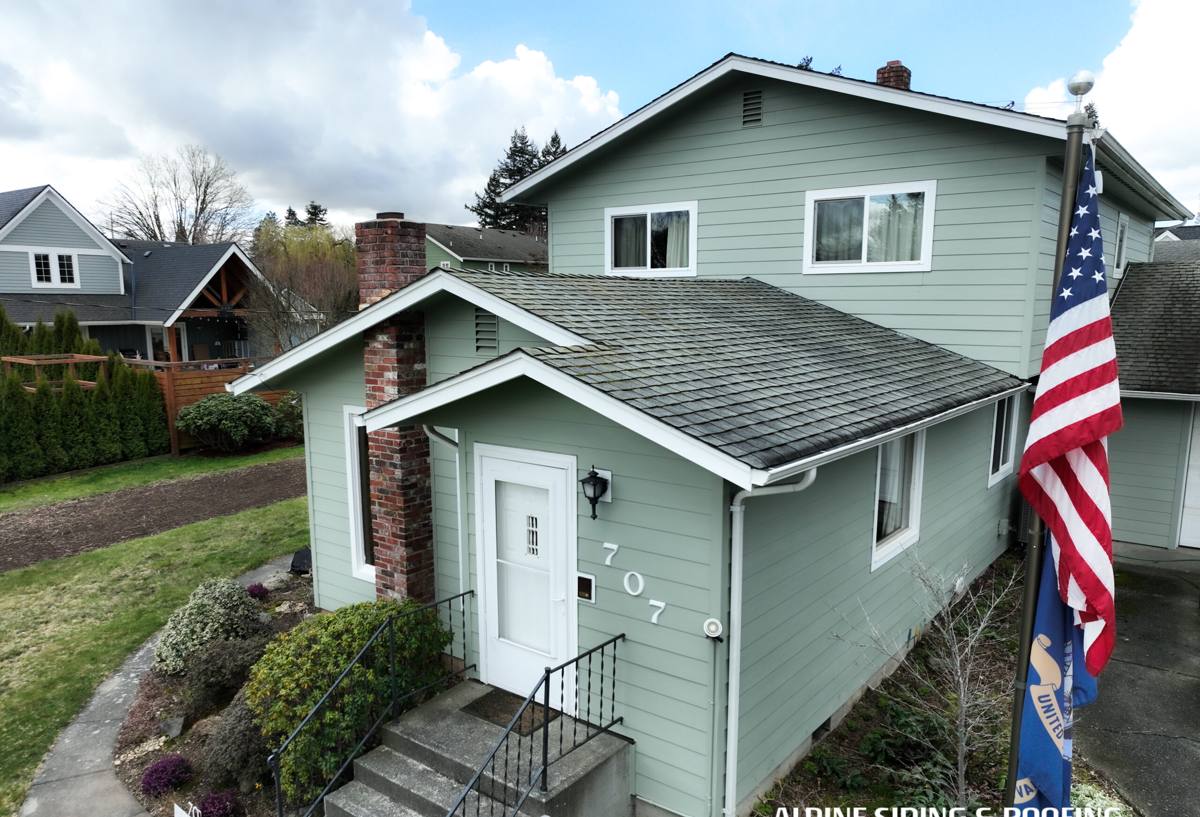
What Lutz's Climate Actually Does to a Roof
Homeowners often assume roof wear is just "the roof getting old." In reality, a handful of specific climate factors are doing the damage, and each one calls for a different response in materials and installation:
- Hurricane-force and straight-line winds: Even away from a direct hurricane landfall, Lutz gets strong seasonal wind events. Shingle uplift starts at the edges and ridges first, which is why fastening pattern and edge detailing matter more than the shingle brand.
- Intense, near-constant UV exposure: Central Florida sun is harder on roofing than sun in most of the country. UV breaks down asphalt oils over time, which is what eventually causes granule loss and brittleness, not just age on the calendar.
- Wind-driven rain: Tampa Bay storms rarely fall straight down. Wind pushes rain sideways and under shingle edges, which is a underlayment and flashing problem as much as a shingle problem.
- Humidity and heat cycling: Hot days and warm, muggy nights mean roofs expand and contract constantly, which stresses nail placement, sealant strips, and flashing joints over years of cycling.
- Salt-influenced air: While Lutz is inland compared to coastal Hillsborough, Tampa Bay's broader salt-air influence still reaches metal components — nails, flashing, vents — accelerating corrosion versus a purely inland climate.
None of this means asphalt shingles are a poor fit for Lutz. It means the product has to be matched to the exposure, and the installation has to account for these forces from the start rather than relying on the shingle alone to hold up.
Choosing the Right Shingle for This Climate
Wind Rating Comes First
Not all asphalt shingles are rated the same for wind resistance. For a Lutz roof, we look at shingles with wind ratings suited to the storm exposure this area actually sees, not the minimum a builder-grade product might carry elsewhere in the country. Higher wind-rated shingles typically use a heavier laminate construction and a wider, more aggressive sealant strip.
Impact and Granule Retention
Given the UV load here, granule quality matters more than most homeowners realize. Granules are what protect the asphalt layer underneath from sun degradation. A shingle with weak granule adhesion will look fine for a couple of years and then age quickly once granule loss accelerates.
Algae Resistance
Florida's humidity encourages algae streaking on roofs faster than drier climates. Algae-resistant shingle formulations (usually copper-infused granules) help slow the dark streaking that's common on older Tampa Bay roofs.
| Factor | Why It Matters in Lutz | What We Look For |
|---|---|---|
| Wind rating | Seasonal storms and hurricane exposure | Higher-rated laminate shingles with reinforced nailing zones |
| UV/granule quality | Near-constant intense sun exposure | Dense, well-adhered granule coverage |
| Algae resistance | High humidity promotes streaking | Algae-resistant granule treatment |
| Underlayment type | Wind-driven rain intrusion risk | Synthetic underlayment, sealed seams |
| Ventilation | Attic heat buildup shortens shingle life | Balanced intake/exhaust airflow |
What a Correct Installation Actually Involves
A shingle roof fails early almost always because of what's underneath or around the shingles, not the shingles themselves. Here's what we treat as non-negotiable on every Lutz job:
Deck Inspection and Repair
Before anything goes down, the roof deck itself gets inspected for soft spots, delamination, or water staining from prior leaks. Shingles installed over a compromised deck will fail regardless of shingle quality, and this is the step most likely to get skipped by crews trying to move fast.
Underlayment
Underlayment is the roof's real waterproofing layer — shingles are the weather shield, but underlayment is what keeps a home dry if wind ever drives rain past a shingle edge. We use synthetic underlayment with properly lapped and sealed seams, which performs more consistently in heat and humidity than older felt products.
Flashing at Every Penetration
Valleys, chimneys, vent pipes, skylights, and wall-to-roof transitions are where most leaks actually originate on a shingle roof. Correct step flashing, valley metal, and pipe boots — installed and sealed properly, not just caulked over — are what keep these areas watertight through years of thermal cycling.
Fastening Pattern
This is where a lot of wind uplift failures start. Nail placement, nail count per shingle, and nailing zone accuracy directly affect how a roof performs in high wind. We follow manufacturer-specified high-wind nailing patterns rather than a standard pattern, because standard patterns are typically tested for lower wind exposures than what this region regularly sees.
Edge and Ridge Detail
Drip edge, starter strip, and ridge cap installation are small line items that have an outsized effect on wind performance, since roof edges and ridges are where uplift forces concentrate first in a storm.
Repair vs. Full Replacement
Not every roof issue in Lutz means a full replacement. We evaluate a few things before recommending either path:
- Age relative to expected lifespan: A well-installed architectural shingle roof in this climate typically has a meaningful service life, but heat and UV exposure here tend to shorten that compared to cooler, drier regions.
- Extent of granule loss: Isolated wear versus widespread granule loss across the roof plane tells us whether it's a localized repair or a sign the whole roof is aging out.
- Storm damage pattern: Wind damage concentrated at edges and ridges after a storm can sometimes be repaired if the rest of the field is sound; scattered damage across the whole roof usually points to replacement.
- Underlying deck condition: If the deck has water damage, that changes the scope regardless of how the shingles themselves look.
- Insurance and permitting factors: Storm-related claims and Hillsborough County permitting requirements can influence whether a targeted repair or full replacement makes more sense for the situation.
Our Process, Start to Finish
- On-site inspection: We assess the current roof, deck condition, ventilation, and any visible wind or water damage before recommending anything.
- Honest scope and options: We walk through repair versus replacement, shingle options suited to this climate, and what's actually driving the recommendation.
- Permitting: Roofing work in unincorporated Hillsborough County and surrounding jurisdictions requires permits and inspections — we handle that process as part of the job.
- Tear-off and deck check: Old roofing comes off completely so the deck can be inspected and any damaged sections replaced before new materials go down.
- Underlayment and flashing: Synthetic underlayment and all flashing components are installed and sealed before a single shingle goes on.
- Shingle installation: Shingles go down using high-wind fastening patterns, with careful attention to starter strips, valleys, and ridge caps.
- Ventilation check: We confirm intake and exhaust ventilation is balanced, since poor attic airflow shortens shingle life regardless of installation quality.
- Final walkthrough: We review the finished roof with the homeowner and make sure everything is documented for warranty and, where applicable, insurance purposes.
Why a Local Tampa Bay Crew Matters for Lutz Roofs
Roofing crews that don't regularly work in Central Florida sometimes default to installation practices built for milder climates — lighter fastening schedules, felt underlayment instead of synthetic, or standard rather than high-wind detailing. None of that shows up as a problem on day one. It shows up during the next serious wind event or the next few years of Florida sun. A crew that works Hillsborough County and the broader Tampa Bay area regularly builds those climate realities into every job as a baseline, not an upgrade option. That also means familiarity with local permitting requirements, common deck and framing conditions found in homes throughout Lutz and neighboring communities, and a realistic sense of how a roof actually performs here over time — not just how it looks the day it's finished.
Simple Maintenance That Extends Roof Life
A correctly installed shingle roof still benefits from basic upkeep, especially in this climate:
- Keep gutters clear so water doesn't back up under lower shingle courses during heavy rain.
- Trim overhanging branches that hold moisture against the roof surface or drop debris into valleys.
- After major storms, have the roof looked at even if there's no visible leak — wind damage at edges and flashing isn't always obvious from the ground.
- Watch for granule buildup in gutters or downspouts, which signals accelerating shingle wear.
- Don't ignore small interior water stains — they're almost always cheaper to address at the flashing or underlayment stage than after they've spread.
Getting an Honest Assessment
Whether your Lutz roof needs a straightforward repair, a full asphalt shingle replacement, or just an honest second opinion after a storm, we're glad to come take a look. We'll tell you plainly what we find, what your real options are, and what we'd actually recommend if it were our own roof. Reach out for a free, no-pressure estimate using the form below.