 Tampa Siding
 Roofing in Brandon: A Different Set of Demands
Brandon sits inland from Tampa Bay but doesn't escape what the Gulf sends this way. Homes here still take the full brunt of Hillsborough County's weather cycle: months of intense, direct UV exposure, sudden afternoon thunderstorms that dump heavy rain sideways, and the real possibility of hurricane-force wind gusts during the season. None of that is unique to Brandon, but the combination — heat that bakes shingles day after day, followed by wind-driven rain that tests every seam and flashing point — is exactly what a roof replacement in this area has to be engineered around. A roof that would hold up fine in a milder climate can fail here years ahead of schedule if it wasn't installed with these specific stresses in mind.
This page is about one job: replacing a roof on a Brandon home, correctly, for the conditions this area actually sees.
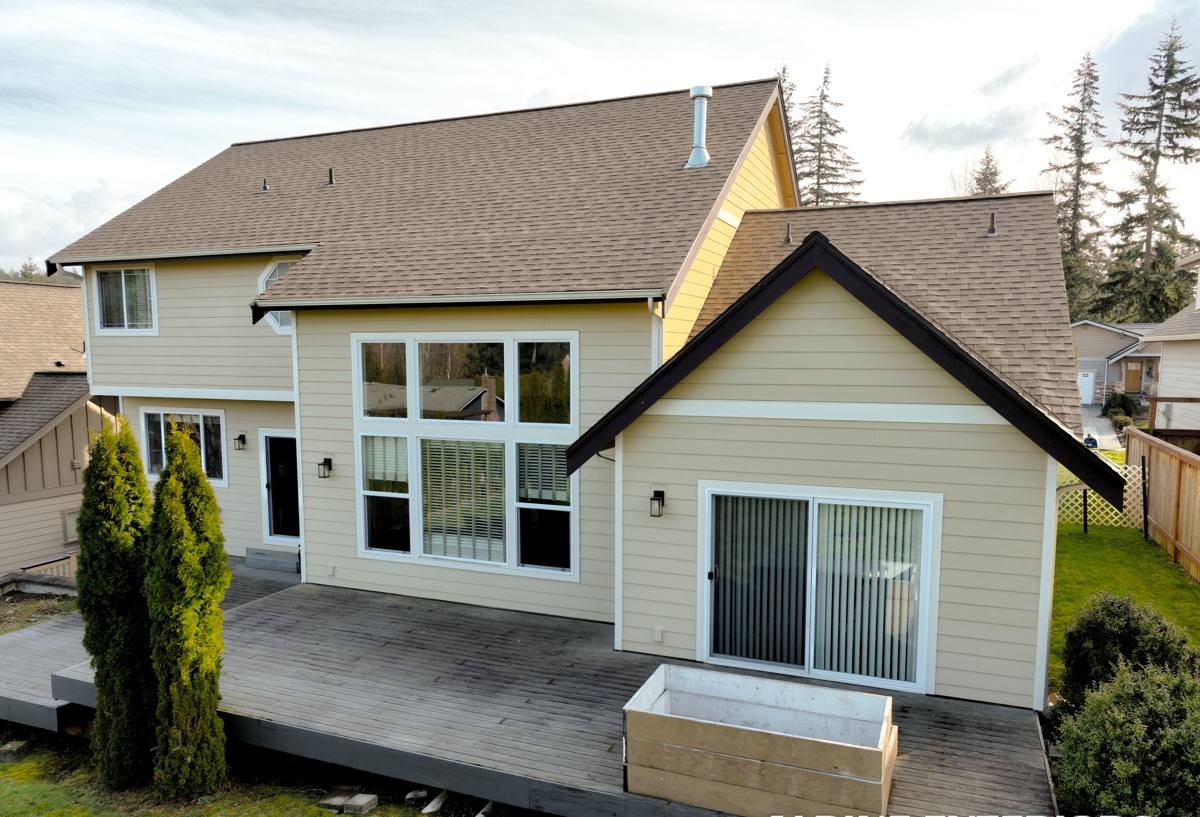
How Brandon's Climate Wears Down a Roof
Heat and UV
Florida sun is relentless on roofing materials. UV exposure breaks down the oils and asphalt binders in shingles over time, causing granule loss, brittleness, and premature cracking. Dark-colored shingles absorb more heat and can push attic temperatures higher, which stresses the roof deck and shortens the life of the materials from underneath as well as above.
Wind-Driven Rain
It's rarely rain alone that causes damage — it's rain pushed sideways and upward under wind pressure. That's why flashing, underlayment overlap, and fastening patterns matter as much as the shingle or tile itself. A roof can look fine from the ground and still be letting water in at a valley, a pipe boot, or a wall flashing that wasn't sealed for wind-driven conditions.
Salt Air
Brandon is far enough from the coast that salt exposure is lighter than beachfront Tampa property, but it's not zero. Airborne salt still contributes to corrosion on metal fasteners, flashing, and vents over the years, which is one more reason material choice and hardware quality matter here.
Storm Season Wind Loads
Hillsborough County building code requires roofing systems to meet specific wind-uplift standards, and for good reason. A roof replacement done to code — with proper nailing patterns, sealed starter strips, and correctly rated materials — is your first line of defense when a named storm comes through.
Signs Your Brandon Home Needs Replacement, Not Repair
Not every roof problem calls for full replacement. But there's a point where patching becomes more expensive, and riskier, than starting fresh. Signs that a Brandon roof has crossed that line include:
- Shingles that are curling, cupping, or losing granules across large sections rather than in one isolated spot
- Multiple leaks in different areas of the attic, not just one recurring trouble spot
- Soft or spongy decking felt underfoot during an inspection, indicating rot beneath the surface
- A roof approaching or past the manufacturer's expected service life for this climate
- Visible sagging along the roofline, which can point to structural issues in the decking or framing
- Repeated storm damage claims in recent years — a pattern that often means the roofing system itself is due
If your roof shows one or two of these in isolation, a targeted repair may still make sense. If several apply at once, replacement is usually the more honest recommendation, and we'll tell you that directly rather than stringing along a series of patch jobs.
What a Correct Roof Replacement Actually Involves
A roof replacement is more than swapping old shingles for new ones. Each layer does a specific job, and skipping or rushing any of them is how roofs fail early in a climate like this one.
Full Tear-Off
We remove the existing roofing material down to the deck rather than layering over it. Overlaying hides problems and adds weight without solving the underlying issue — and it's not something we do as a shortcut, regardless of what it might save on a bid.
Deck Inspection and Repair
Once the deck is exposed, we check for rot, delamination, and soft spots, especially around vents, chimneys, and valleys where water tends to find its way in over time. Any damaged decking gets replaced before anything new goes down — installing new roofing over a compromised deck just moves the problem underground.
Underlayment
This is the roof's real waterproofing layer, and it matters more in Florida than almost anywhere else. A quality synthetic or self-adhering underlayment, installed with proper overlap and sealed at penetrations, is what keeps a home dry during the wind-driven rain events Brandon sees during storm season — even if a shingle or tile is later damaged or lifted.
Flashing
Flashing around chimneys, skylights, walls, and roof-to-wall transitions is one of the most common places roofs actually leak. New flashing, properly integrated with the underlayment (not just caulked over old material), is a non-negotiable part of a correct replacement.
Ventilation
Proper intake and exhaust ventilation keeps attic temperatures and moisture in check, which protects both the new roofing system and the decking underneath it from the inside out. In a hot, humid climate, a poorly ventilated attic can shorten the life of an otherwise well-installed roof.
Fastening and Wind Rating
Nailing patterns, fastener type, and starter strip sealing are all specified to meet Hillsborough County's wind-uplift requirements. This is where cutting corners doesn't show up until the next big storm.
Material Options for Brandon Homes
There's no single "best" roofing material for every home — it depends on your roof structure, budget, and how long you plan to stay in the house. Here's an honest comparison of the main options we install:
| Material | Wind Performance | Heat/UV Resistance | Typical Lifespan | Maintenance |
|---|---|---|---|---|
| Architectural Asphalt Shingle | Good, when installed with rated fasteners and sealed starter strips | Moderate; quality varies by product line | 20–30 years | Low |
| Impact-Rated (Class 4) Shingle | Very good; built for wind and debris resistance | Good | 25–30+ years | Low |
| Concrete or Clay Tile | Excellent when properly fastened; heavy structural load | Excellent | 40–50+ years | Moderate — cracked tiles need replacement |
| Standing Seam Metal | Excellent | Excellent, reflects heat | 40–50+ years | Low |
We'll walk you through which option makes sense for your home's roof structure and your budget — there's no upsell agenda here, just a straight conversation about trade-offs.
Our Roof Replacement Process
- Inspection and estimate. We assess the current roof, decking condition, and any storm damage, and give you a clear written scope and price — no vague allowances.
- Material selection. We go over options based on your home, your budget, and how long you plan to own the property.
- Permitting. We pull the required Hillsborough County roofing permit before work starts. This isn't optional, and it protects you — a permitted, inspected roof replacement is also what insurance and future buyers expect to see on record.
- Tear-off and deck prep. Full removal of old material, deck inspection, and any necessary repairs, done before anything new is installed.
- Underlayment, flashing, and installation. Each layer installed to manufacturer and code specifications, not shortcuts.
- Final inspection and cleanup. We do a magnetic sweep for stray nails, haul away all debris, and walk the finished roof with you before we consider the job done.
Permits, Wind Mitigation, and Insurance
A permitted roof replacement in Hillsborough County isn't just red tape — it's documentation that matters later. When the job wraps, a new roof can qualify your home for a wind mitigation inspection, which often lowers homeowners insurance premiums by verifying features like impact-rated materials, sealed roof decks, and proper fastening. We can point you toward what that inspection looks for, though the inspection itself is done by a separate licensed inspector, not us. Keeping your permit, inspection records, and manufacturer warranty paperwork together also matters if you ever sell the home or file an insurance claim after a storm.
Why Local Experience in Brandon Matters
A crew that works in Brandon and the surrounding Hillsborough County area regularly knows the county's permitting process, the inspectors, and the wind and code requirements without having to relearn them on your job. That translates into fewer delays and fewer surprises. It also means we've seen how different roofing systems actually hold up in this specific climate over years, not just in a manufacturer's brochure — which shapes what we honestly recommend versus what we'd steer you away from.
Before You Sign: A Roof Replacement Checklist
Whoever you hire for this job, make sure you can check off the following before work begins:
- Contractor is licensed to work in Florida and carries current liability and workers' comp insurance
- A written, itemized scope of work — not just a one-line price
- Confirmation that a permit will be pulled with Hillsborough County before work starts
- Clear specification of the underlayment, flashing, and fastening approach, not just the shingle or tile brand
- Manufacturer warranty terms explained in plain language, including what voids them
- A plan for deck inspection and repair pricing if rot is found once the old roofing is removed
- Debris removal and a magnetic nail sweep included in the job, not billed as an extra
Caring for Your New Roof
A properly installed roof still benefits from basic upkeep. Keep gutters clear so water isn't backing up under the edge of the roofline, trim back overhanging branches that can drop debris or scrape shingles during wind, and have the roof looked at after any major storm — not because we expect problems, but because catching a lifted shingle or damaged flashing early is far cheaper than dealing with the water damage it eventually causes if ignored.
If your Brandon roof is showing its age or didn't hold up the way it should have after recent storms, we're happy to take a look and give you a straight, no-pressure estimate — you can request one using the form below.