 Tampa Siding
 Windows Built for the Clearwater Side of the Bay
Homes in and around Clearwater sit close to open water, which means they take a different kind of beating than a house twenty miles inland. Salt-laden air, near-constant humidity, punishing UV, and the real chance of hurricane-force wind and wind-driven rain all work on a window at the same time, year after year. A window that's "fine" in a sheltered subdivision can fail early here if it wasn't chosen and installed with this specific exposure in mind. Custom window work in this area isn't about picking the prettiest option in a catalog — it's about matching the frame material, glass package, and installation method to what the coastal side of the Tampa Bay region actually does to a house.
We're a Tampa-based crew that works this corridor regularly, from inland Hillsborough neighborhoods out toward the coast. This page covers what we've learned installing and replacing custom windows specifically for homes dealing with that coastal exposure — what to ask for, what a correct job looks like, and where corners commonly get cut.
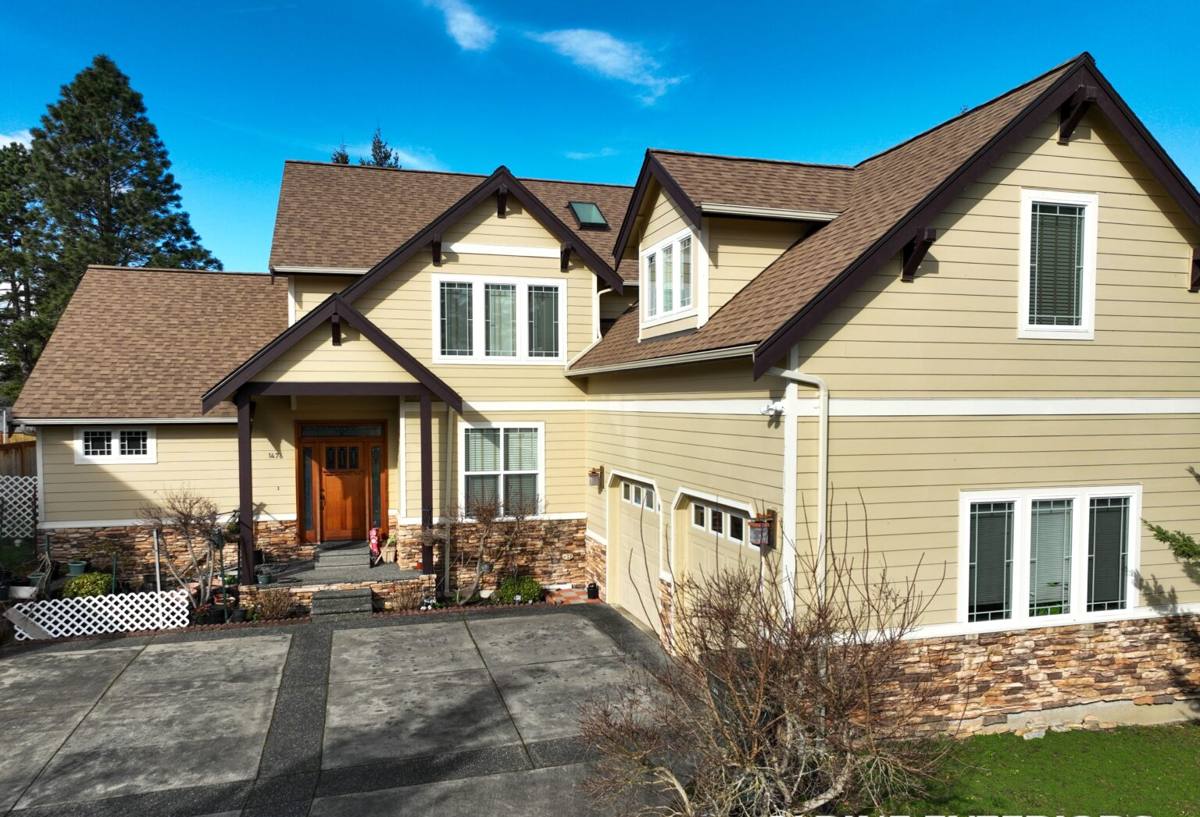
What Coastal Tampa Bay Exposure Does to a Window
Salt Air and Corrosion
Airborne salt settles on frames, hardware, and fasteners even a few miles from the water. Over time it corrodes low-grade aluminum, pits poorly coated steel components, and breaks down cheap weatherstripping faster than the same materials would age in a dry inland climate. Hardware — hinges, locks, cranks, balance systems — is often the first thing to fail, well before the glass or frame itself shows problems.
UV and Heat
Florida sun is intense and constant. Vinyl frames without adequate UV stabilizers can discolor, warp, or become brittle within a few years. Standard clear glass lets in heat that drives up cooling costs in a climate where the AC is running most of the year. Sealants and gaskets that aren't UV-rated crack and shrink, opening gaps long before the window "looks" old.
Wind and Wind-Driven Rain
Storm systems here bring sustained wind and, more importantly, rain that gets pushed sideways into the building envelope under pressure. A window can be watertight in a light rain and still leak badly in a wind-driven event if the flashing, sill pan, and sealant details weren't done correctly. Wind load matters too — window assemblies need to be rated for the pressures required in this part of Florida, not just "hurricane resistant" in a general marketing sense.
Humidity and Moisture Cycling
Between salt air, rain, and near-constant humidity, any gap in flashing or sealant becomes a path for moisture into the wall cavity. In this climate that moisture doesn't dry out quickly, which is how small installation mistakes turn into rot, mold, and stucco or siding damage that costs far more to fix than the window did.
What a Correct Custom Window Job Requires Here
"Custom" windows means the units are built or configured to fit your specific openings, style, and performance needs — not off-the-shelf stock sizes. For homes near Clearwater, that customization should account for the coastal factors above, not just the rough opening dimensions.
- Frame material suited to salt exposure — quality vinyl, fiberglass, or properly coated/anodized aluminum, not bargain-grade stock that corrodes or warps early
- Impact-rated or code-compliant glazing appropriate for the wind-borne debris requirements in this part of Florida, or a documented approved alternative
- Low-E, UV-filtering glass to cut heat gain and slow interior fading of floors, furniture, and finishes
- Properly installed sill pan flashing that directs any water that gets past the window back outside, not into the wall
- Continuous, compatible sealant at the perimeter — not just a bead of caulk over gaps
- Corrosion-resistant fasteners and hardware rated for coastal use
- Correct shimming and anchoring so the frame stays square and the window operates smoothly under wind pressure and building movement
- Weep holes clear and functional so any incidental water can drain
Skip any one of these and the window may still look fine on installation day. The failures show up later — as a leak during the next big storm, a frame that's discolored and pitted within a few years, or a soft spot in the wall that nobody notices until it's a real repair.
Choosing Frame Material and Glass for This Exposure
There's no single "right" window for every house — it depends on the home's style, budget, and how exposed it is to direct salt air and sun. Here's how the common options generally compare for this climate:
| Factor | Vinyl | Aluminum | Fiberglass |
|---|---|---|---|
| Salt air resistance | Good, if UV-stabilized | Depends heavily on coating/finish quality | Very good |
| UV / heat stability | Good with quality compound | Stable, but conducts heat unless thermally broken | Very stable |
| Upfront cost | Lower to mid | Mid | Higher |
| Maintenance | Low | Low to moderate (watch for corrosion at coastal sites) | Low |
| Best fit | Most residential replacements | Modern/impact-frame designs, larger openings | High-exposure or premium custom projects |
Glass package matters as much as frame material. For this area we generally recommend impact-rated or laminated glass paired with a Low-E coating — it addresses wind-borne debris code requirements, cuts down on storm-panel hassle, and reduces heat and UV transmission at the same time. Tinting or reflective coatings can help further on windows that take direct afternoon sun.
Our Process for Custom Window Installations
1. On-Site Assessment
We look at each opening individually — existing frame condition, signs of past water intrusion, wall assembly, and how exposed that side of the house is to prevailing wind and rain. Custom work only makes sense once we understand what's actually going on behind the trim, not just the visible opening size.
2. Measuring and Product Selection
We take precise measurements for each opening and go over frame material, glass package, and hardware options based on your budget and how that elevation of the house is exposed. We'll tell you plainly if a lower-cost option is a reasonable fit or if it's likely to underperform in this location.
3. Permitting
Window replacement and new installations typically require a permit under Florida Building Code, especially where wind load and impact ratings are involved. We handle the permitting process and make sure the products specified meet the requirements for this jurisdiction.
4. Installation
Old units are removed carefully to protect surrounding stucco, siding, or trim. We inspect the rough opening for hidden rot or moisture damage before anything new goes in — this is often where problems from a prior bad install get found. Flashing, sill pans, shimming, anchoring, and sealant are done to manufacturer specification and local code, not shortcuts.
5. Inspection and Walkthrough
Once installed, each window is checked for square, smooth operation, and a proper seal. We walk the job with you, and any required city or county inspection gets scheduled and passed before we consider the job finished.
Why a Crew That Already Works This Area Matters
Window installation quality depends heavily on judgment calls — how deep to set a sill pan, how to flash an unusual opening, what glass rating actually satisfies the wind-borne debris requirement for a given elevation. A crew that regularly works homes near Clearwater and the surrounding Tampa Bay coastline has already made those calls dozens of times on houses facing the same wind and salt exposure yours does. That translates into fewer surprises, correct permitting the first time, and installation details that are sized to the actual climate risk instead of a generic national standard.
Local familiarity also means faster response if an issue comes up after installation — whether that's a warranty question, a minor adjustment after the house settles, or prepping windows ahead of a storm.
Cost Factors to Expect
Custom window pricing varies a lot based on size, material, glass rating, and how many openings are involved. Broadly, the factors that move the price are:
- Frame material (vinyl generally lowest, fiberglass and premium aluminum higher)
- Impact-rated vs. standard glass, and Low-E coatings
- Opening size and whether it's a standard shape or a custom configuration
- Condition of the existing rough opening (hidden rot or structural repair adds cost)
- Number of windows done in one project — bundling multiple openings usually lowers the per-window cost
- Permit and inspection fees
We'll always give you a written, itemized estimate before any work starts, so you know exactly what you're paying for and why.
Maintaining Custom Windows in a Coastal Climate
- Rinse frames and hardware periodically to remove salt buildup, especially on homes closer to open water
- Check and clear weep holes so water can drain instead of pooling in the frame
- Inspect exterior sealant yearly and re-caulk any cracked or shrunken joints promptly
- Lubricate hinges, locks, and cranks with a corrosion-resistant product suited for coastal use
- After major storms, check for new gaps, soft spots in surrounding trim, or signs of water intrusion
A well-installed custom window in this climate should last decades, but it isn't entirely maintenance-free — a little attention a couple of times a year prevents most of the problems we get called out to fix.
Get a Straightforward Estimate
If you're weighing a window replacement or a custom install for a home in the Clearwater area, we're glad to take a look and give you an honest read on what your openings actually need given their exposure. Fill out the form below for a free, no-pressure estimate — no obligation, just a clear picture of your options and what they'll cost.