 Tampa Siding
 Deck Building in Clearwater: Built for the Coast, Not Just the Photo
A deck in Clearwater does a different job than a deck almost anywhere else in the country. It's not just an outdoor living space — it's a structure that has to survive salt-laden air off the Gulf, months of intense UV exposure, sudden wind-driven downpours, and the occasional hurricane-force wind event, all while still looking good enough to be the centerpiece of your backyard. We build decks for Clearwater homeowners with that reality in mind from the first conversation, not as an afterthought once the framing is already up.
This page covers what we build, why we build it the way we do, and what you should expect from a contractor working in Pinellas County's climate. If you're comparing quotes, the details below will help you tell a properly engineered deck from one that just looks fine on installation day.
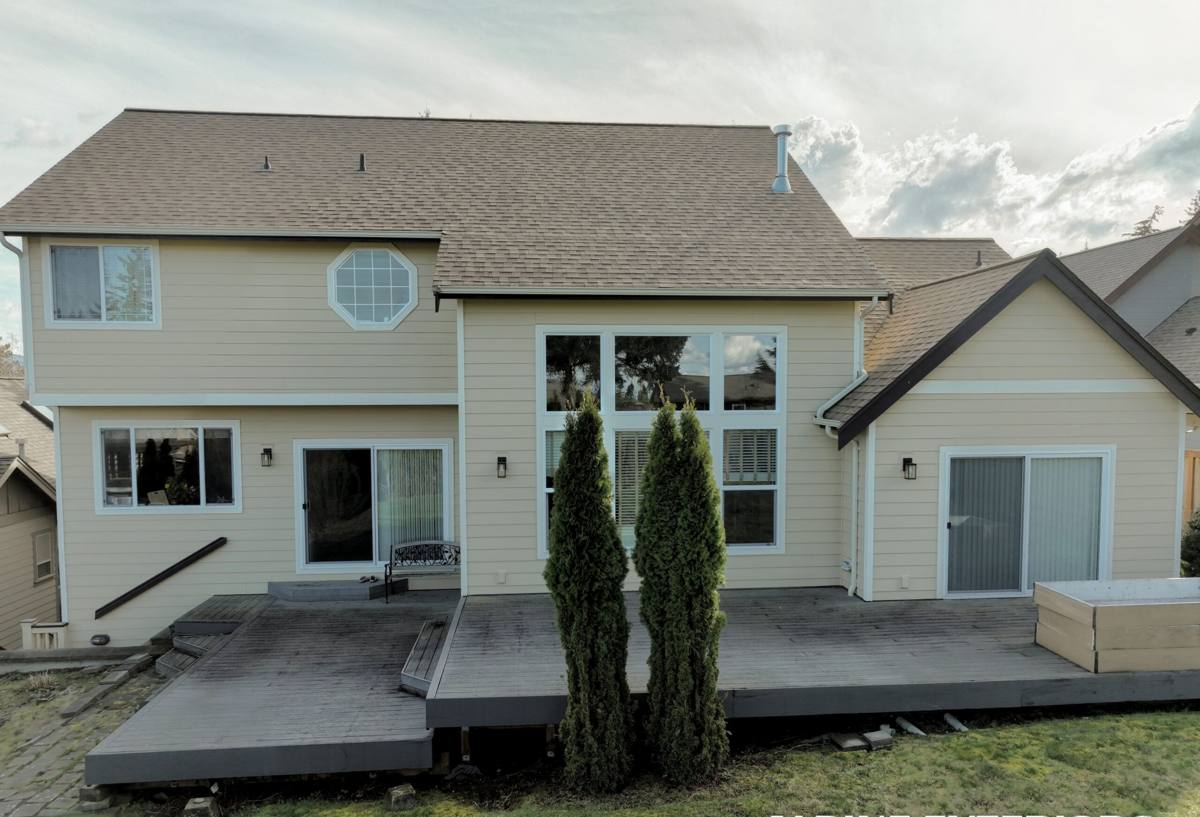
What Clearwater's Climate Actually Does to a Deck
Homeowners inland don't have to think about most of this. Homeowners near the Gulf do.
Salt Air and Corrosion
Clearwater's proximity to the water means airborne salt is a constant, low-grade attack on anything metal. Standard fasteners, brackets, and hardware corrode faster here than in almost any other part of the country. Once a fastener starts rusting, it weakens the connection it's holding — and on a deck, those connections are what keep the structure attached to your house and standing up under load.
UV Exposure
Florida sun is intense and nearly year-round. Wood fibers break down under constant UV, finishes chalk and fade faster than manufacturer literature from northern climates suggests, and composite decking that isn't rated for high-UV environments can discolor unevenly, especially on south- and west-facing exposures.
Wind-Driven Rain and Moisture Cycling
Afternoon storms in the Tampa Bay area don't just rain down — they blow in sideways, driving water into ledger connections, joist hangers, and any gap in flashing or sealant. Combine that with Florida humidity and you get a moisture cycle: wet, dry, wet, dry, day after day. Wood expands and contracts with that cycle, fasteners work loose, and anywhere water can collect instead of drain becomes a rot risk.
Wind Load
Pinellas County sits in a wind-borne debris region, and Clearwater's building codes reflect that. A deck attached to your house needs a ledger connection and post/footing system engineered for real uplift and lateral loads, not just the static weight of people standing on it. This matters most where the deck ties into the house structure — that's the connection most likely to fail in high wind if it wasn't built correctly.
What a Correctly Built Deck Involves
A deck that holds up here is built in layers, and every layer matters.
Footings and Foundation
Post footings need to be sized and set to local code depth, accounting for Florida's soil conditions and water table. Undersized or shallow footings are one of the most common shortcuts we see on decks that later develop movement or sag.
Framing and Fasteners
We use fasteners and structural hardware rated for coastal, high-corrosion environments — not standard galvanized hardware that looks fine in the box but starts breaking down within a couple of Gulf-side seasons. Joist hangers, post bases, and structural screws are chosen for this environment specifically.
Ledger Attachment and Flashing
Where the deck ties into your house is the single most important connection on the whole structure, both for structural integrity and for keeping water out of your home's framing. Correct flashing detail here prevents the wind-driven rain we mentioned above from working its way behind siding or into the rim joist.
Decking Material
Whether you choose wood or composite, the material has to be matched to sun exposure, drainage, and maintenance expectations — covered in more detail below.
Railings and Code Compliance
Railing height, baluster spacing, and stair geometry all fall under Florida Building Code and local Clearwater permitting requirements. These aren't optional details — they're inspected, and they're there because they matter for safety.
Decking Material Options for a Gulf Coast Backyard
There's no single "best" decking material — there's a best fit for your budget, your sun exposure, and how much maintenance you actually want to do. Here's how the common options compare in this climate specifically.
| Material | UV / Sun Performance | Salt Air Resistance | Maintenance | Typical Lifespan Here |
|---|---|---|---|---|
| Pressure-treated pine | Fades and grays without regular finish; needs re-sealing | Fair — hardware selection matters more than the wood itself | Annual cleaning, re-staining every 1-3 years | 10-15 years with upkeep |
| Tropical hardwoods (e.g., ipe) | Very good; naturally dense and UV-resistant | Good | Periodic oiling to maintain color; low rot risk | 20-25+ years |
| Capped composite | Good on high-UV-rated products; verify manufacturer coastal warranty | Good — no wood fibers to absorb moisture | Occasional washing; no staining or sealing | 25-30 years |
| Uncapped/entry composite | Fair; more prone to fading and surface wear in full sun | Fair | Low, but surface degrades faster than capped products | 15-20 years |
For south- and west-facing decks that take the brunt of the afternoon sun, we generally steer homeowners toward capped composite or a dense hardwood. For shaded or covered decks, pressure-treated wood remains a genuinely cost-effective option — the climate is easier on material that isn't in direct sun all day.
Design Considerations Specific to Clearwater Homes
Drainage and Grading
Deck boards, footing placement, and ground grading all need to move water away from the structure and away from your home's foundation. Standing water under or around a deck is a mosquito and rot problem waiting to happen in this climate.
Shade and Airflow
A deck that bakes in full Gulf Coast sun all afternoon gets used a lot less than one with some shade built in, whether that's a pergola, strategic orientation, or planning for shade structures down the road. We factor usability into the design conversation, not just structure.
Proximity to Salt Water
The closer your property sits to the Gulf or to the Intracoastal, the more aggressively we spec hardware and fastener corrosion resistance. This is a sliding scale, not a one-size answer, and it's part of why we walk every site in person before quoting.
Hurricane Season Planning
We time major deck builds around hurricane season where possible, and we build connections to code minimums or better regardless of when in the year the work happens. A deck built correctly in March holds up the same way in an October storm.
Our Process, Start to Finish
- On-site consultation — we walk your property, look at sun exposure, drainage, and how the deck ties into your house, and talk through how you actually plan to use the space.
- Design and material selection — we lay out layout, size, and material options with honest tradeoffs on cost, maintenance, and lifespan for your specific site.
- Permitting — we handle the Clearwater/Pinellas County permitting and code compliance process so you don't have to navigate it yourself.
- Footings and framing — foundation and structural framing built to code depth and load requirements, with coastal-rated hardware throughout.
- Ledger, flashing, and decking installation — the connection to your home and the decking surface itself, installed with attention to the details that prevent water intrusion.
- Railings, stairs, and finish work — code-compliant railings and stairs, final fastener checks, and site cleanup.
- Final walkthrough — we go over the finished deck with you, including maintenance expectations for the material you chose.
Why It Matters to Hire a Crew That Already Works Clearwater
A contractor who mostly builds decks inland can still build a deck that looks right. What's harder to get right without local experience is everything underneath the surface: which fastener specs actually hold up to salt air over years instead of months, how Pinellas County inspectors expect ledger flashing detailed, where drainage tends to become a problem on Gulf Coast lots, and how to size structural connections for real regional wind loads rather than generic code minimums. Those are things you learn from building here repeatedly, not from a spec sheet.
We also know the permitting process locally, which keeps your project moving instead of stalled waiting on corrections. That local familiarity is often the difference between a deck that needs attention again in five years and one that doesn't.
Maintenance: What to Expect After Installation
No deck in this climate is maintenance-free, even the low-maintenance materials. Here's a realistic checklist for keeping a Clearwater deck in good shape:
- Rinse off salt residue and debris periodically, especially after storms — a garden hose is usually enough
- Inspect fasteners and hardware annually for corrosion or loosening, particularly at the ledger connection
- Check that drainage paths under and around the deck stay clear of debris and standing water
- Re-seal or re-stain wood decking on the schedule appropriate to the product (typically every 1-3 years)
- Trim back vegetation that traps moisture against the deck structure
- Have railings and stair connections checked periodically, especially before hosting larger gatherings
- Address any soft spots, discoloration, or fastener popping promptly rather than waiting
We're happy to walk you through the specific maintenance schedule for whatever material you choose once your deck is built.
Cost Factors to Expect
Every deck is different, but the same handful of factors drive most of the cost variation we see on Clearwater projects:
| Factor | How It Affects Cost |
|---|---|
| Size and footprint | Larger square footage means more material, footings, and labor |
| Material choice | Pressure-treated costs less upfront; hardwood and composite cost more but reduce long-term maintenance |
| Height and grade | Elevated decks require more substantial footings, framing, and often stairs |
| Structural complexity | Multiple levels, built-in seating, or custom shapes add labor and engineering time |
| Ledger vs. freestanding | Ledger-attached decks need careful house-tie-in work; freestanding decks avoid that but need their own full footing system |
| Site access and prep | Difficult access, existing structure removal, or drainage correction add time before building even starts |
We give straightforward, itemized estimates so you can see exactly where your budget is going — no vague lump-sum numbers.
Get an Honest Look at Your Project
If you're planning a new deck or replacing one that's showing its age, we're glad to come take a look, walk the site with you, and give you a straightforward assessment — no pressure, no upsell. Reach out using the form below for a free estimate on your Clearwater deck project.