 Tampa Siding
 Building Decks That Actually Hold Up in Riverview
Riverview has grown fast over the past decade, and a lot of that growth is newer construction — which means a lot of backyards still don't have a deck, or have a builder-grade one that was never designed for how hard this climate is on outdoor structures. A deck here isn't just a weekend cookout spot. It's an outdoor room that has to survive Hillsborough County's full range of weather: months of intense sun, sudden downpours, tropical storm systems moving in off the Gulf, and the kind of humidity that never really lets wood or hardware dry out completely. Building one that lasts means starting with the climate, not the picture in a catalog.
We work on decks throughout the Tampa area, and Riverview jobs come with their own set of considerations — lot layouts in the newer developments tend to have specific setback and drainage patterns, and a lot of homes back up to retention ponds or conservation areas where moisture and mosquito pressure are part of daily life. A deck built without that in mind ends up being a maintenance headache within a few years.
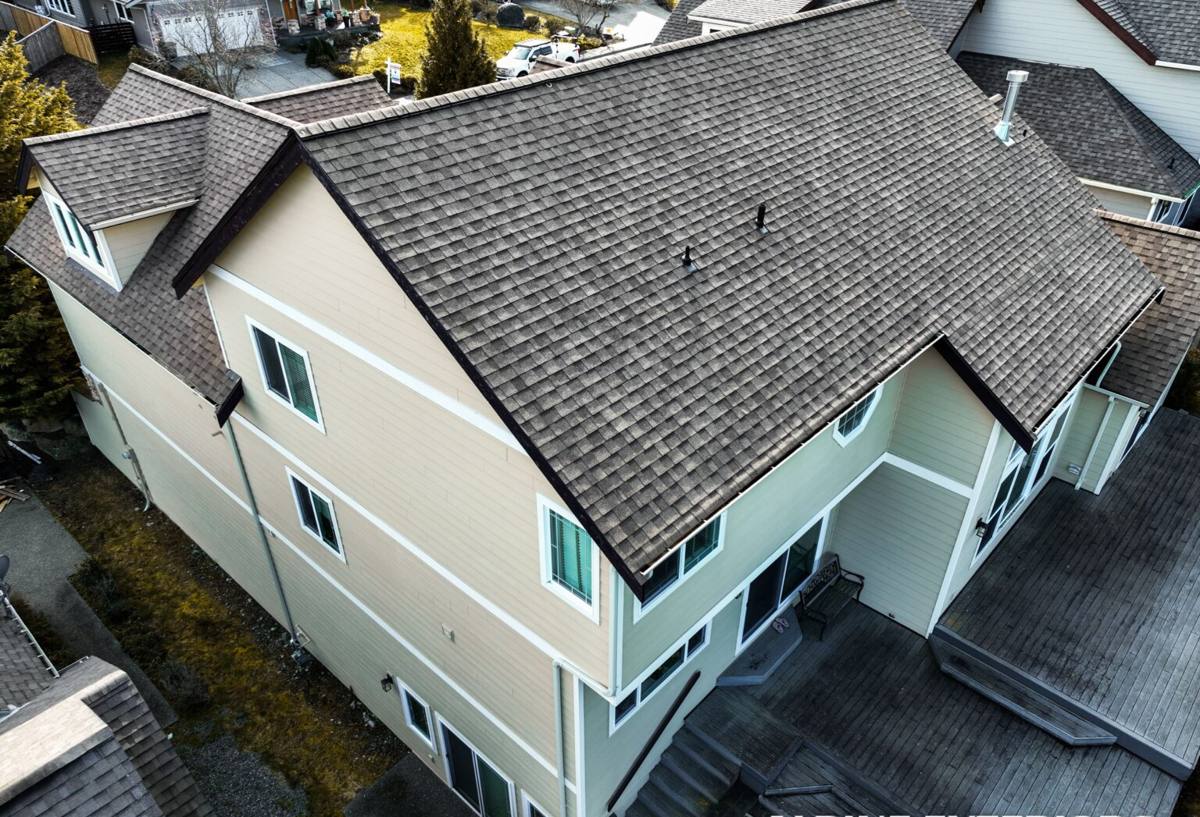
What This Climate Does to a Deck
Florida doesn't destroy decks all at once. It's cumulative — years of small stresses that add up faster than most homeowners expect.
UV and Heat
Central Florida gets some of the most intense year-round UV exposure in the country. On wood decking, that means surface graying, checking, and splintering well ahead of what you'd see in a milder climate. On composite and PVC products, cheaper formulations can fade or chalk unevenly depending on sun exposure across the deck's footprint — one section shaded by the house ages differently than the section that bakes all afternoon.
Wind-Driven Rain and Storm Systems
Hillsborough County sees heavy, wind-driven rain regularly, not just during named storms. Rain that's being pushed sideways finds its way into ledger board connections, under poorly flashed rim joists, and into any fastener hole that wasn't properly sealed. Over time, that's how you get hidden rot in framing that looks fine from the top.
Humidity and Ground Moisture
Even on dry days, ambient humidity here stays high enough that wood framing rarely gets a real chance to dry out. Combined with irrigation overspray and the flat, often poorly draining lots common in newer Riverview subdivisions, ground-level posts and footings are under near-constant moisture load. This is why post setting and footing drainage matter more here than in drier climates.
Salt Air Influence
Riverview isn't beachfront, but Tampa Bay's salt air carries further inland than most people realize, especially on onshore wind days. Fasteners, brackets, and any exposed metal hardware need corrosion resistance rated for coastal-influenced conditions, not just generic exterior-grade hardware.
What a Correctly Built Deck Involves
A deck that's going to hold up here is really a system of decisions, each one addressing a specific failure point we see on older or poorly built decks in this area.
Framing and Structure
We build to current Florida Building Code requirements for the structure, which in this wind zone means proper joist hangers, hurricane ties, and post-to-beam connections rated for uplift, not just gravity loads. Ledger attachment to the house gets flashed and sealed correctly — this is the single most common failure point we find when repairing older decks, because water intrusion at the ledger can damage both the deck framing and the home's rim joist behind it.
Footings
Post footings need to be sized and set below grade appropriately for our sandy, often high-water-table soils. Undersized or shallow footings are a common shortcut on older or budget-built decks, and they're the reason some decks develop a noticeable wobble within a few years.
Fasteners and Hardware
Every fastener, bracket, and connector should be stainless steel or hot-dip galvanized and rated for ground contact and coastal exposure. This is a place where cutting corners doesn't show up immediately — it shows up as rust streaking and loosening connections three or four years down the road.
Decking Material
Pressure-treated wood, composite, and PVA decking all have a place depending on budget and how the homeowner wants to maintain it long-term. What matters is installing whichever material is chosen the way its manufacturer actually specifies — correct gapping for expansion, proper fastening pattern, and ventilation underneath to let the structure breathe. Composite and PVC decking installed without attention to thermal expansion is a common source of buckling and fastener pop we get called out to fix.
Decking Material Comparison
| Material | Upfront Cost | Maintenance | Typical Lifespan Here | Notes for This Climate |
|---|---|---|---|---|
| Pressure-Treated Wood | Lowest | Annual sealing/staining recommended | 10-15 years | Needs consistent upkeep to resist UV graying and moisture cycling |
| Composite Decking | Mid to higher | Occasional cleaning, no staining | 20-30 years | Choose a formulation with proven UV/heat performance; quality varies a lot by brand |
| PVC Decking | Highest | Low — mostly rinsing | 25-30+ years | Fully synthetic, handles moisture and humidity well; installation sensitivity around expansion is higher |
We don't push one material as universally "best." The right choice depends on how much upkeep a homeowner actually wants to do and how long they plan to stay in the home. What we won't do is install any material in a way that ignores its manufacturer's specifications just to save labor time — that's how warranties get voided and problems get expensive.
Our Process for a Riverview Deck Project
- On-site assessment: We look at the yard's grading, drainage, sun exposure, and how the deck will attach to the existing structure before any design conversation happens.
- Design and material selection: We walk through material options honestly, including cost and maintenance trade-offs, based on how the homeowner actually plans to use and maintain the space.
- Permitting: Deck construction in Hillsborough County typically requires a permit and inspection. We handle that process rather than leaving it to the homeowner.
- Construction: Framing first, with hardware and flashing details built in from the start rather than added afterward. Decking installed to manufacturer spec with correct fastening and gapping.
- Final walkthrough: We go over the finished deck with the homeowner, including any maintenance recommendations specific to the material chosen.
Why a Crew That Already Works Riverview Matters
Deck framing that's correct for a mountain climate or even North Florida isn't automatically correct here. A crew that regularly works Riverview and the greater Tampa area already knows the county's inspection expectations, has a working relationship with the permitting process, and has seen firsthand what actually fails on local decks versus what's just a theoretical concern. That local pattern recognition is worth more than a generic national warranty on paper.
We're also familiar with the practical realities of building in newer Riverview developments — HOA aesthetic guidelines, tighter lot setbacks in some sections, and the drainage patterns common to the area's retention-pond-adjacent lots. None of that is exotic knowledge, but it's the kind of thing that saves a homeowner a redesign or a permitting delay.
Maintenance That Actually Extends the Life of a Florida Deck
Whatever material is chosen, a few habits make a real difference in how long a deck lasts here:
- Sweep debris off the surface regularly — trapped leaves and pollen hold moisture against the decking
- Check and clear gaps between boards so water drains through instead of pooling
- Inspect fastener heads and hardware once or twice a year for early rust or loosening
- Keep irrigation heads from spraying directly onto framing or the underside of the deck
- For wood decking, plan on resealing or restaining on the schedule the product actually requires, not "when it looks bad"
- Have the ledger connection and any flashing inspected periodically, since that's the highest-consequence failure point
Common Mistakes We See on Existing Riverview Decks
A lot of our repair calls trace back to a handful of recurring issues: ledger boards attached without proper flashing, footings set too shallow for our soil conditions, standard exterior screws used instead of coastal-rated stainless or galvanized hardware, and composite decking installed without the gapping needed for thermal expansion in our heat. Every one of these is preventable with correct installation the first time, which is usually far cheaper than the repair.
Get an Honest Estimate
If you're planning a new deck in Riverview or need an honest opinion on whether an existing one is holding up the way it should, we're happy to come take a look. The estimate is free, there's no pressure, and we'll tell you plainly what we'd recommend and why — you can use the form below to get started.