 Tampa Siding
 Why Windows Take a Beating in Brandon
Brandon sits inland from Tampa Bay, but "inland" doesn't mean sheltered. Hillsborough County still sits squarely in Florida's hurricane corridor, and every summer storm season brings the same combination of threats to a home's windows: sustained high winds, wind-driven rain that gets pushed sideways into any gap or weak seal, and tropical downpours that can dump inches of water in an hour. Add in year-round, high-intensity UV exposure and the salt-laden air that drifts up from the Bay on a west wind, and you've got a set of conditions that will find every weak point in a window over time — whether that's a failing seal, a warped frame, or glass that was never rated for the loads Florida code requires.
Older windows in Brandon homes were often installed to whatever code applied when the neighborhood was built, which in many cases predates the stricter wind-load and impact standards Florida adopted after major storm seasons. That gap between "what's in the wall" and "what current code and current weather actually demand" is the single biggest reason Brandon homeowners end up calling a window contractor — not because the glass looks bad, but because the assembly behind it is no longer doing its job.
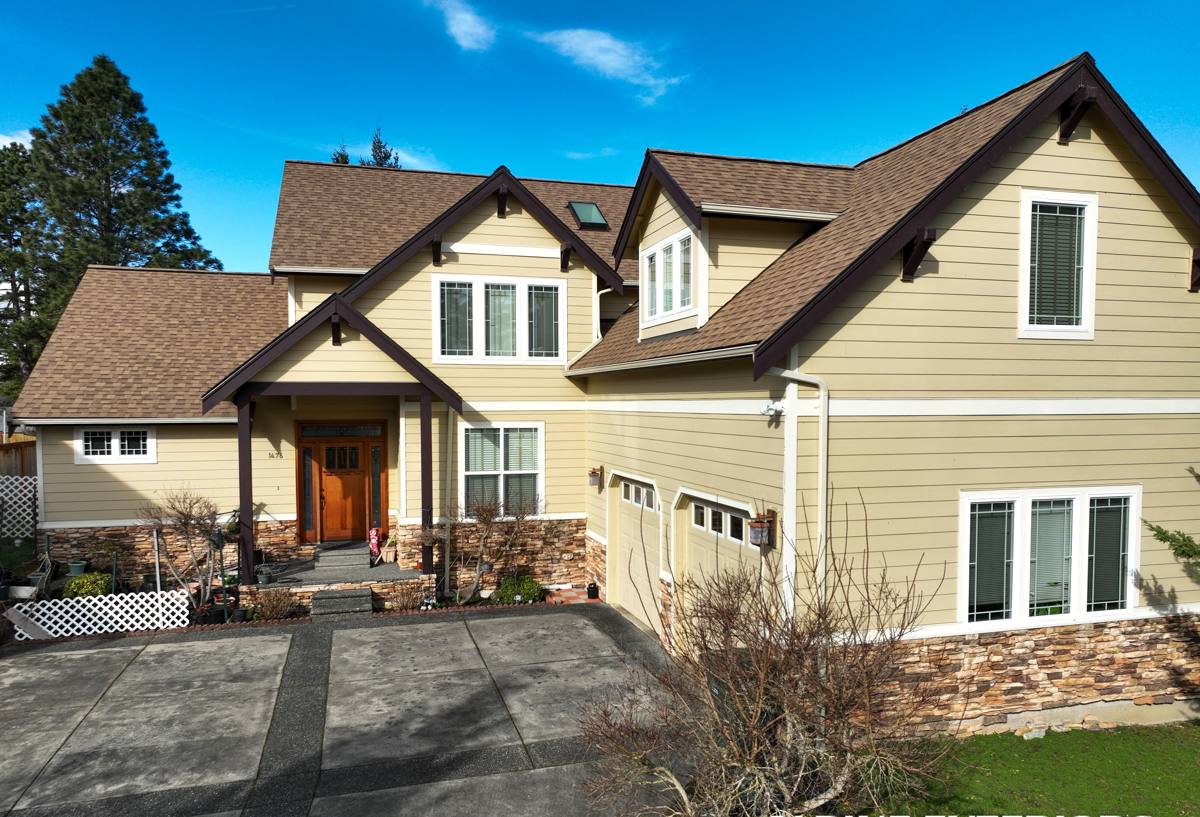
What Brandon Homes Actually Need From Their Windows
Brandon's housing stock runs from older ranch-style homes to newer construction in planned communities, and the right window spec depends on the house — but a few things hold true across almost all of them in this part of Hillsborough County:
- Wind and pressure resistance that matches Florida Building Code requirements for our wind zone, not a generic national minimum.
- A frame and glass package rated for large pressure swings, since a poorly rated window can flex, bow, or blow out under sustained gusts even if it survives a single strong push.
- Correctly engineered water management — flashing, sill pans, and sealant details that route wind-driven rain back out instead of letting it track into the wall cavity.
- UV-stable glazing and frame materials that won't chalk, yellow, or go brittle after a few Florida summers.
- Corrosion-resistant hardware for homes closer to the Bay, where salt air accelerates rust on cheap fasteners and tracks.
Custom windows matter here because stock sizes rarely fit older Brandon homes cleanly, and a window that's shimmed and packed out to fit an opening it wasn't built for is exactly where leaks and wind intrusion start. Custom fabrication means the window is built to the actual rough opening, not the other way around.
What a Correct Custom Window Installation Involves
Getting the Opening Right First
Before any window goes in, the opening itself has to be checked — for square, for level, and for hidden rot or moisture damage in the framing around it. Skipping this step is the most common shortcut in this trade, and it's the one that causes callbacks years later. If the substrate behind the old window is compromised, no amount of sealant on the new one will fix it.
Sizing and Fabrication
Custom windows are measured to the actual opening, accounting for the specific installation method (new construction with a nailing fin, or a retrofit/block-frame approach common on older Florida block homes). Getting this measurement wrong by even a small margin creates gaps that get packed with excess sealant or shims instead of a proper fit.
Flashing, Sealing, and Fastening
This is where wind-driven rain resistance is actually won or lost. Proper installation includes correctly lapped flashing, a sill pan or equivalent water diversion detail, and fasteners and anchoring rated for the wind loads required in our area — installed to the manufacturer's specifications, since that's also what keeps the product's warranty intact.
Interior and Exterior Finish
Once the window is set and sealed, trim and finish work should restore the wall to a clean, weathertight condition — inside and out — so there's no exposed gap for moisture or pests to find later.
Comparing Frame Materials for This Climate
There's no single "best" frame material for every home — it depends on budget, the look you want, and how much upkeep you're willing to do. Here's a straightforward comparison for Brandon's climate specifically:
| Frame Material | Heat & UV Behavior | Maintenance | Typical Fit |
|---|---|---|---|
| Vinyl | Good UV-stable formulations resist fading; can expand/contract with heat cycles | Low — no painting, won't rust | Most common choice for value-conscious replacements |
| Aluminum | Strong under wind load but conducts heat; can feel hot to the touch in summer | Low, but coastal units need attention to fastener corrosion | Common in older Florida construction; good for large openings |
| Fiberglass | Very stable dimensionally in heat; holds paint well over time | Low to moderate | Higher upfront cost, often chosen for durability and a specific look |
| Wood-composite | Good insulating properties but more sensitive to humidity if seals fail | Higher — needs monitoring in humid climates | Chosen mainly for interior aesthetics, less common as primary Florida exterior frame |
Whatever material a homeowner chooses, we install to the manufacturer's Florida-specific product line and installation instructions — that's what keeps both the wind-load rating and the warranty valid, and it's a professional standard we don't cut corners on.
Impact-Rated Glass vs. Shutters: An Honest Look
Brandon homeowners often ask whether they need full impact-rated windows or whether shutters paired with standard glass are enough. Both are legitimate approaches, and the right one depends on the home and the household:
- Impact-rated windows stay in place permanently, protect the home any time a storm develops quickly, and typically qualify for certain insurance discounts — worth confirming with your carrier directly, since programs vary.
- Standard glass with quality shutters can meet code requirements at a lower upfront cost, but they only protect the home when someone is present and able to deploy them before a storm arrives.
- Laminated glass (used in most impact products) also cuts UV transmission and outside noise noticeably — a year-round benefit, not just a storm-season one.
We'll walk through both options honestly, including the real trade-offs in cost, appearance, and day-to-day convenience, rather than pushing whichever product carries the bigger margin.
Our Process for a Brandon Window Project
- On-site assessment — we look at every opening, check for framing or moisture issues, and talk through what the home actually needs.
- Custom measurement and product selection — matched to your home's construction type, budget, and the wind/impact rating required for our area.
- Permitting — window replacements in Hillsborough County and the City of Tampa require permits and inspections; we handle that paperwork so nothing gets skipped.
- Installation — removal of the old unit, opening inspection and repair if needed, then setting, flashing, sealing, and fastening the new window to spec.
- Inspection and walkthrough — final check against code, a clean site, and a walkthrough so you know how to operate and maintain the new windows.
Why a Crew That Already Works Brandon Matters
Window installation looks straightforward on paper, but a lot of the detail work depends on knowing the area. A crew that regularly works Brandon and the surrounding Tampa communities already knows the typical construction methods used in local homes from different eras, has a working relationship with the local permitting process, and understands how HOA architectural guidelines in some Brandon communities affect window style and color choices. That local familiarity shortens the guesswork on measurement, scheduling around Florida's rainy season, and getting inspections scheduled without delays that stall a project mid-way.
It also matters after the install. A local crew is accountable to the same community they work in — if a seal needs a look after the first hard summer storm, we're not a name from out of the area you have to track down.
Cost Factors to Expect
Every project is different, but the main cost drivers for a Brandon custom window job are consistent:
| Factor | Why It Moves the Price |
|---|---|
| Window count and size | Larger openings and more windows mean more material and labor |
| Glass and impact rating | Impact-rated laminated glass costs more than standard tempered glass |
| Frame material | Vinyl, aluminum, and fiberglass carry different material costs |
| Opening condition | Rot or moisture damage found during removal adds repair time before the new window can go in |
| Access and site conditions | Second-story or hard-to-reach openings take more labor time |
We provide a written, itemized estimate before any work starts, so you know exactly what you're paying for and why.
A Quick Checklist Before You Call Anyone
- Are any of your windows fogging between the panes (a sign the seal has failed)?
- Do you feel a draft or hear more outside noise than you used to?
- Is there visible warping, chalking, or discoloration on the frames?
- Have you noticed water staining on the wall or sill after a storm?
- Do your current windows predate the last major update to Florida's wind and impact code for your area?
- Does the contractor you're considering pull permits and carry current licensing and insurance?
If you answered yes to more than one of these, it's worth having someone take an honest look before the next storm season tests your windows for you.
If you're weighing your options for a Brandon home, we're glad to take a look and talk through what makes sense for your house and your budget — no pressure, no obligation. Use the form below to request a free estimate.