 Tampa Siding
 Valrico's Climate Is Harder on Siding Than It Looks
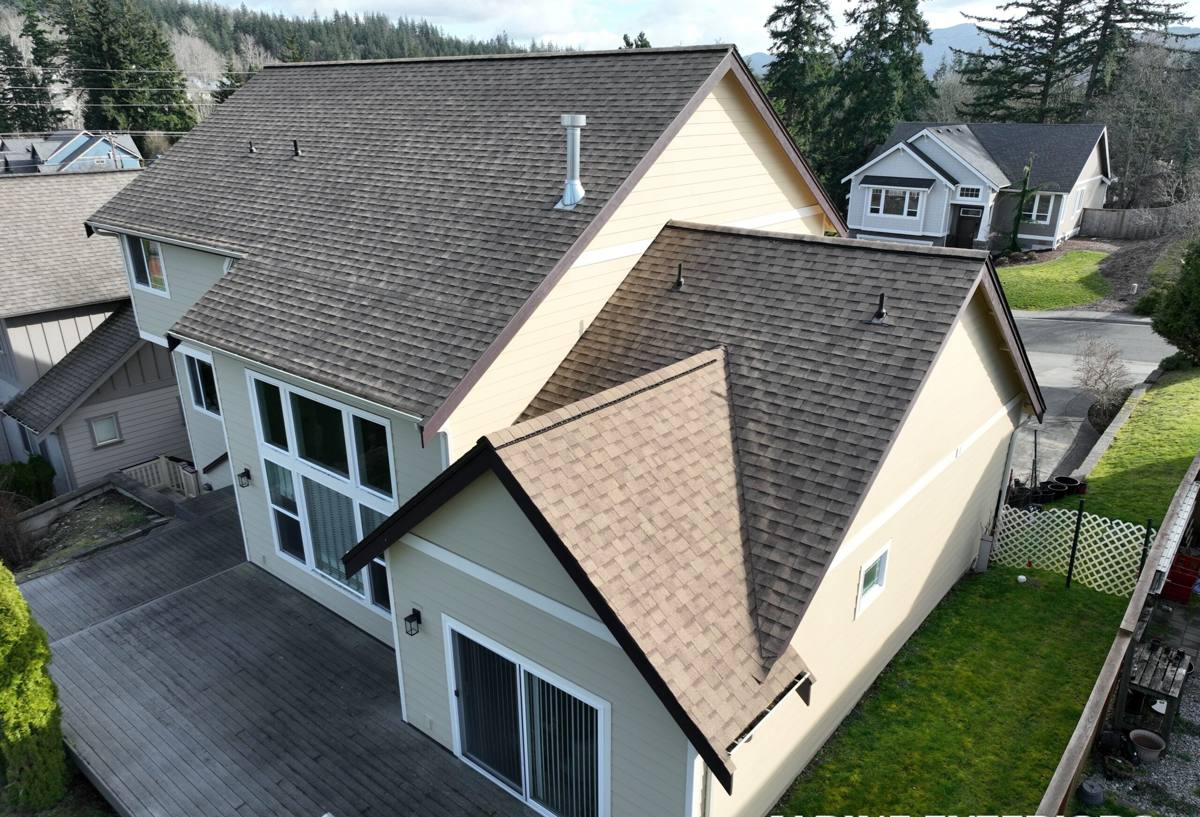
Valrico sits inland from Tampa Bay in central Hillsborough County, which spares it the direct salt spray that pounds homes right on the water — but it does not spare it from much else. Summers here run long, hot, and humid, with UV levels strong enough to fade and chalk cheap siding within a few years. Afternoon thunderstorms roll through for most of the year, driving rain sideways against west- and south-facing walls before the sun comes back out and bakes the surface dry again. And when a tropical system tracks through the wider Tampa Bay region, Valrico still sees the same sustained winds and gusts that show up closer to the coast, just without the storm surge. Siding here has to handle heat, wind-driven moisture, and wind pressure at the same time, year after year, and most of the premature siding failures we see in Valrico trace back to a product or an installation that wasn't built for that combination.
What This Climate Actually Does to Siding Over Time
Sun and Heat
Florida's UV index runs among the highest in the continental United States for most of the year. On an exterior wall, that means constant thermal cycling — the surface heats up fast in direct sun, cools at night, and expands and contracts daily. Paints and coatings that aren't engineered for that cycle chalk, fade unevenly, and eventually crack or peel, usually starting on the west and south exposures that catch the most afternoon sun.
Wind-Driven Rain
Hillsborough County's storm pattern isn't just rain falling straight down — wind pushes it sideways and up underneath laps, trim, and penetrations like light fixtures and hose bibs. Siding that isn't installed with the right overlap, flashing, and clearance will let water track behind the panels, where it can sit against sheathing and framing for months without anyone noticing until there's a soft spot, a stain, or a mold problem inside.
Humidity and Moisture Cycling
Even on dry days, Tampa Bay area humidity keeps moisture in the air and against exterior walls longer than it would in a drier climate. Materials that absorb water — untreated wood, some engineered wood products, and poorly sealed composite panels — stay damp longer, which accelerates rot, swelling, and paint failure, especially at cut edges and seams where the factory coating doesn't cover.
Wind Load
Valrico falls within Hillsborough County's high-wind design requirements under the Florida Building Code. Siding and fastening schedules that meet minimum code in a calmer inland market elsewhere in the country often fall short here. Fastener spacing, panel engagement, and starter strip detailing all need to be sized for local wind pressure, not a national average — and that's true whether the storm making landfall is a Category 1 or a strong afternoon squall line.
Why We Install Only James Hardie Fiber Cement Siding
We made the decision years ago to install one siding system — James Hardie fiber cement — and to stop installing vinyl, LP SmartSide, primed wood, and cedar. That's not a marketing position; it's a maintenance-call position. Fiber cement is non-combustible, doesn't warp or swell the way wood-based products can when they take on moisture, and holds paint and color far longer in high-UV climates like ours because the factory finish is engineered for exactly this kind of sun exposure. James Hardie also builds a version of its product specifically for humid, high-moisture climates — the HZ5 line — which is what we spec for Valrico and the rest of the Tampa Bay area. We'd rather do one product right than juggle several products we can't fully stand behind ten years down the road.
What a Correct James Hardie Installation Involves
James Hardie siding performs the way it's supposed to only when it's installed to the manufacturer's specifications — and those specs matter more in a climate like Valrico's than almost anywhere else in the country. A rushed or shortcut installation can leave a house looking right for a year or two while the underlying problems build.
Weather-Resistive Barrier
A continuous, properly lapped weather-resistive barrier goes over the sheathing before any siding goes up. This is the layer that actually keeps wind-driven rain from reaching the framing if water ever gets behind the panels — the siding itself is the first line of defense, not the only one.
Fastening Pattern
Nail size, type, and spacing are not interchangeable. We follow James Hardie's fastening requirements for our wind zone, which typically means tighter fastener spacing and specific nail penetration depth into framing than what's used in lower-wind regions of the country.
Flashing and Clearances
Every window, door, and penetration gets proper flashing so water sheds outward instead of tracking inward. Siding also needs correct clearance from rooflines, decks, and grade — installers who butt siding too tight to a roof or patio slab are setting up a wicking point that will show up as damage within a few seasons.
Joints, Gapping, and Caulking
Fiber cement expands and contracts with temperature, just less than wood or vinyl does. Butt joints need the gap and sealant James Hardie specifies so panels aren't fighting each other as the wall heats and cools through a Florida summer.
ColorPlus Factory Finish
When a home qualifies for it, we favor ColorPlus finished siding, which is baked on at the factory under controlled conditions rather than field-painted on site. It resists fading and chipping better than most site-applied paint jobs and comes with its own finish warranty — a meaningful advantage in a market with this much year-round sun.
How Our Process Works for a Valrico Project
- On-site assessment. We walk the exterior, check current siding and sheathing condition, look at drainage and roofline details, and note anything — old moisture damage, prior repairs, tricky trim — that will affect the plan.
- Product and color selection. We go over the James Hardie board profiles and ColorPlus color options that fit the home and the neighborhood, and explain the trade-offs of each so the decision is an informed one.
- Prep and tear-off. Old siding comes off, sheathing is inspected and repaired where needed, and any hidden moisture damage gets addressed before anything new goes up — covering over a problem is not an option we'll take.
- Weather barrier and flashing. The house gets wrapped and flashed correctly before the first piece of siding is hung.
- Installation to spec. Panels go up following James Hardie's fastening, gapping, and clearance requirements for our wind zone.
- Trim, caulking, and final details. Joints, corners, and penetrations are sealed and finished.
- Walkthrough. We review the finished job with the homeowner and answer questions before calling it done.
Comparing Siding Materials for Hillsborough County's Climate
| Material | Wind & Storm Performance | Moisture/Humidity Behavior | UV & Fade Resistance |
|---|---|---|---|
| Vinyl | Can crack or blow off in high wind; not fastened rigidly to the wall | Doesn't absorb water itself, but traps moisture behind it if installed loosely | Fades and grows brittle faster in constant high-UV exposure |
| Wood / engineered wood (e.g., LP SmartSide) | Structurally rigid but fasteners and seams are moisture entry points | Wood fiber content absorbs and swells with sustained humidity if any seal fails | Requires ongoing repainting to resist sun fade and checking |
| James Hardie fiber cement (HZ5) | Rigid, heavy panel engineered for high-wind fastening schedules | Cement-based composition resists swelling and rot; engineered for humid climates | Factory ColorPlus finish holds color significantly longer under constant sun |
Signs Your Valrico Home May Need New Siding
- Paint that's chalking, peeling, or fading unevenly, especially on west- and south-facing walls
- Soft spots, bubbling, or visible warping when you press on the siding
- Gaps opening up at seams, corners, or trim boards
- A musty smell or discoloration on interior walls that back up to exterior siding
- Siding that shows storm damage — cracked, dented, or missing sections — after a wind event
- Rising cooling bills that could point to compromised insulation behind failing siding
Why Hiring a Crew That Already Works in Valrico Matters
Siding installation isn't just a national spec sheet applied the same way everywhere. A crew that regularly works in Valrico and the rest of Hillsborough County already knows the wind zone requirements, understands how the Florida Building Code applies to residential siding permits in this jurisdiction, and has seen firsthand how the local combination of heat, humidity, and storm pattern plays out on real houses over years, not just at installation. That local track record shows up in the details — fastening schedules that are actually correct for the wind zone, flashing choices that account for how rain hits the house here, and a realistic sense of which corners can never be cut in this climate even if they'd get away with it somewhere drier.
Caring for Your James Hardie Siding After Installation
Fiber cement is low-maintenance compared to the alternatives, but "low-maintenance" doesn't mean "no maintenance." A rinse with a garden hose a couple of times a year clears off pollen, salt-laden air drifting in from Tampa Bay, and general grime before it builds up. It's worth a walk around the house after any significant storm to check for cracked panels, loose trim, or caulking that's pulled away, since catching a small issue early is a lot cheaper than repairing water damage later. Keep an eye on caulked joints and repaint or re-caulk field-painted trim as needed — ColorPlus finished panels themselves won't need repainting on the same schedule.
If your Valrico home's siding is showing its age, or you're planning ahead for a replacement, we're happy to take a look and give you a straightforward, no-pressure estimate — just fill out the form below.