 Tampa Siding
 Why Westchase Homes Need Windows Built for This Climate
Westchase sits inland from Tampa Bay but that doesn't mean the neighborhood is sheltered from what Hillsborough County weather throws at a house. Between hurricane-force wind events, near-constant UV exposure, wind-driven rain that finds every weak seam, and salt-laden air drifting in off the Gulf, the windows on a Westchase home are working harder than windows almost anywhere else in the country. A window that's fine in a mild climate can fail here within a few years if it wasn't specified and installed correctly for this region.
Most of the window problems we see in Westchase aren't really about the glass. They're about frames that were never rated for local wind pressures, flashing and sealant details that weren't done to Florida standards, or units that were installed without accounting for how the home settles and shifts through Tampa's heat and humidity cycles. Custom windows done right solve all of that at once — matched to your home's openings, your home's exposure, and the way Florida weather actually behaves.
What "Custom" Actually Means for a Window Job
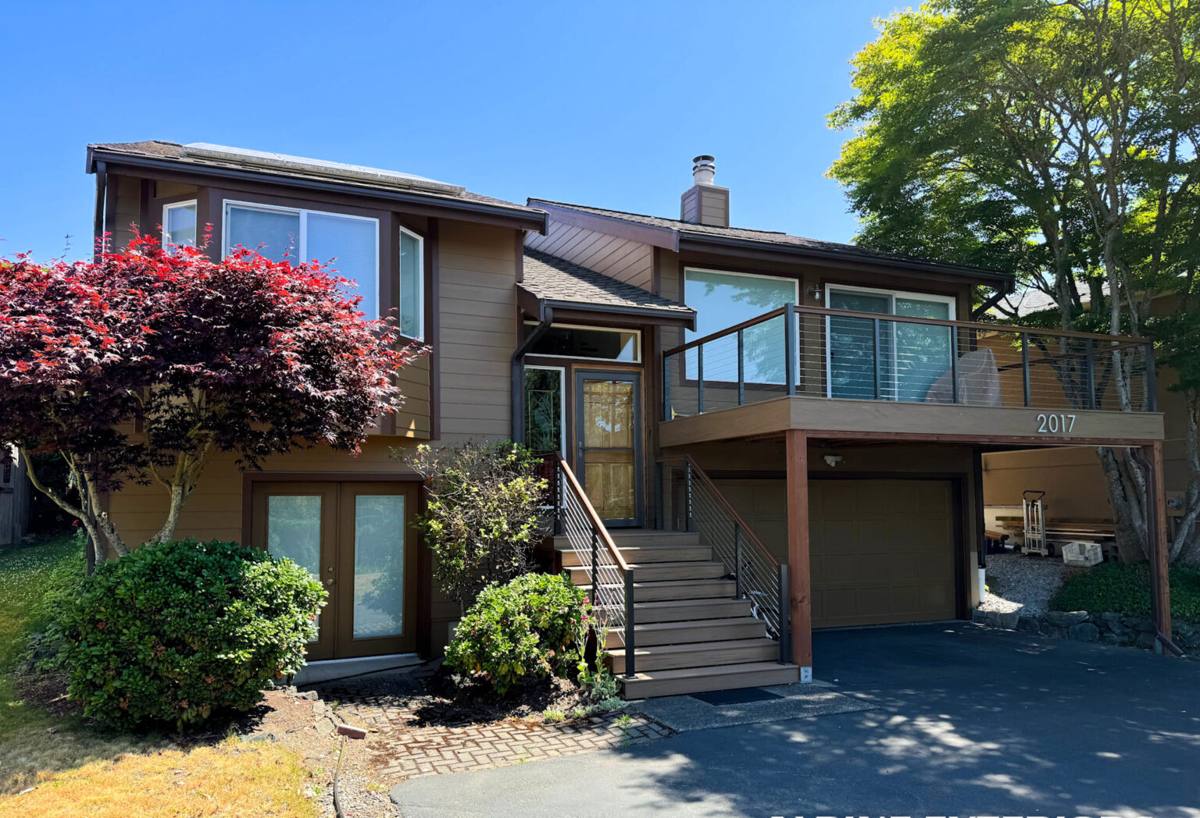
Custom windows aren't just windows in unusual shapes or sizes, though that's part of it. For a Westchase home, custom means the window package is engineered around your specific house: its orientation, its wall construction, its existing rough openings, and the wind pressures that apply to your particular elevation and roofline. A production-grade "one size close enough" window forces compromises. A properly specified custom window doesn't.
Situations where custom windows are the right call
- Non-standard or slightly out-of-square openings, common in homes that have settled over the years
- Architectural features like bay windows, arched tops, or picture window combinations
- Additions or renovated rooms where opening sizes don't match manufacturer standard stock
- Homes where you want a specific frame material, grille pattern, or glass tint that isn't available off the shelf
- Replacing older aluminum or wood windows that were sized to now-discontinued standards
Engineering for Hurricane Wind and Wind-Borne Debris
Florida Building Code sets wind load and wind-borne debris protection requirements based on where your home sits, and Hillsborough County enforces those requirements at permitting. For Westchase specifically, that generally means every new or replacement window needs to either carry impact-rated glass or be paired with code-compliant protection, and the frame and anchoring have to be engineered to hold up under the wind pressures for your home's height and exposure category. This isn't optional paperwork — it's the difference between a window that stays in the wall during a storm and one that becomes a projectile hazard.
We pull permits and size window assemblies to the actual wind pressures that apply to your home, not a generic assumption. That's part of why a custom-fit approach matters: the anchoring schedule, frame reinforcement, and glass package all have to match the real numbers for your structure, not a rough estimate.
Impact-Rated vs. Standard Windows
| Factor | Impact-Rated Windows | Standard Windows + Shutters |
|---|---|---|
| Storm protection | Built into the glass and frame, always active | Only effective if shutters are deployed before the storm |
| Daily UV and noise reduction | Laminated glass cuts UV and outside noise year-round | No added benefit until shutters are closed |
| Upfront cost | Higher per opening | Lower window cost, but added shutter cost over time |
| Maintenance | Minimal; no separate hardware to store or operate | Shutters need storage, tracks, and regular operation checks |
| Insurance considerations | Often recognized favorably by carriers | Varies by shutter type and how it's rated |
Neither approach is wrong, and we'll walk you through both honestly based on your budget and how your home is oriented. What matters is that whichever route you choose is actually engineered and documented to meet code for your address — not assumed to be "close enough."
Frame Materials That Hold Up in Tampa's Salt Air and UV
Frame material choice matters more here than in most parts of the country because of the combination of intense UV and airborne salt, especially the closer a home sits to open water or a canal system feeding toward the Bay. Even Westchase homes further inland get meaningful salt exposure carried on Gulf breezes.
How the common options compare
| Material | UV Resistance | Salt Air Resistance | Maintenance |
|---|---|---|---|
| Vinyl | Good with UV-stabilized formulations | Very good, won't corrode | Low — occasional cleaning |
| Aluminum | Good | Fair; needs quality finish to resist pitting near coastal air | Moderate — finish should be inspected periodically |
| Fiberglass | Very good | Very good | Low |
| Wood/wood-clad | Fair; needs protective finish | Poor unless well-clad and maintained | High — regular refinishing needed in this climate |
We don't install unclad wood frames on exposed elevations in this market. It's not that wood can't look great — it's that between the UV load and the humidity swings, an unprotected wood frame demands a maintenance schedule most homeowners don't want to keep up with, and the failure mode when it's neglected is rot at the sill, which is expensive to fix. If you want a wood look, a clad or fiberglass option gets you there without that long-term liability.
Glass Packages: More Than Just Impact Rating
Impact resistance gets the headline attention, but the glass package also determines how much heat and UV gets into your home and how your energy bills behave through a Tampa summer. Low-E coatings and the right tint or spacer configuration cut solar heat gain significantly, which matters when your AC is running most months of the year. We'll talk through glass options based on which elevations of your home get the most direct afternoon sun, since west- and south-facing openings in Westchase generally benefit most from a stronger solar control package.
How Our Process Works for Westchase Homeowners
1. On-site assessment
We measure every opening individually — not from a floor plan, from the actual wall. We check for out-of-square conditions, existing water intrusion or hidden damage around the frames, and note your home's specific wind exposure category.
2. Product and engineering selection
Based on that assessment, we spec frame material, glass package, and anchoring method to meet Florida Building Code wind and impact requirements for your address, and we review the tradeoffs with you in plain terms — cost, appearance, maintenance, and performance.
3. Permitting
We handle the Hillsborough County permit process, including the engineering documentation required for window replacements in wind-borne debris regions. This step gets skipped by some installers to save time; it shouldn't be, because it's what protects you if there's ever a claim or a future sale.
4. Removal and installation
Old units come out, the opening gets inspected and prepped — including flashing and sealant work around the rough opening, which is where most long-term leaks actually originate — and the new custom units go in plumb, level, and properly anchored per the engineered schedule.
5. Final inspection and walkthrough
We confirm operation, sealing, and finish on every opening with you before we call the job done, and we coordinate the county inspection required to close out the permit.
Why the Installation Details Matter as Much as the Window Itself
An excellent window installed poorly will leak, fail its wind rating in practice, or develop frame corrosion years before it should. The details that actually determine long-term performance in this climate include:
- Correct flashing sequence so wind-driven rain can't track behind the frame into the wall cavity
- Anchoring into structural framing at the spacing and fastener type the engineering calls for, not just "enough screws"
- Sealant compatible with the frame material and rated for sustained UV exposure, not a generic caulk
- Proper shimming so the frame isn't under stress that can crack corner welds or distort operation over time
- Weep holes and drainage paths left clear, so any incidental water has somewhere to go
These are the things a homeowner can't easily verify by looking at a finished window, which is exactly why the installer's track record in this specific climate matters.
What Drives Cost on a Custom Window Project
| Cost Factor | Why It Matters |
|---|---|
| Frame material | Vinyl and aluminum are generally more budget-friendly; fiberglass and clad-wood cost more upfront |
| Glass package | Impact-rated, Low-E, and specialty tint options each add cost but change performance meaningfully |
| Opening size and shape | Oversized, arched, or non-standard openings require more engineering and fabrication time |
| Number of openings | Whole-home replacements typically cost less per unit than isolated single-window jobs |
| Structural condition | Any rot, water damage, or out-of-square framing found during removal adds repair scope |
We give you real numbers after the on-site assessment, not a phone estimate, because opening condition varies enough house to house in this climate that a phone quote isn't honest.
Choosing a Contractor Who Actually Works in Westchase
A contractor who mostly works inland, in drier climates, or outside Hillsborough County's permitting jurisdiction is going to be less fluent in the specific wind load and inspection requirements that apply here. That shows up as delays, rejected permits, or installations that technically pass but underperform over time.
Questions worth asking any contractor before you sign
- Are you licensed to work in Hillsborough County, and can you show current license and insurance?
- Will you pull the permit yourself, and who provides the wind load engineering documentation?
- What frame materials and glass packages do you recommend for my home's specific exposure, and why?
- What's your process for flashing and sealing around the rough opening, not just installing the unit?
- What warranty covers the installation itself, separate from the manufacturer's product warranty?
A contractor who can answer these clearly and specifically, without vague reassurance, is one who actually does this work regularly in this region.
Maintaining Custom Windows in a Coastal-Influenced Climate
Even the right windows, correctly installed, benefit from basic upkeep given what Tampa's air and sun do over time. Rinse frames and hardware periodically to clear salt residue, especially after windy stretches. Check weep holes for debris so drainage stays clear. Inspect exterior sealant lines annually, since UV exposure will eventually break down even good sealant and it's a cheap fix caught early versus a wall repair caught late. None of this is demanding, but skipping it is how a well-installed window ages faster than it should.
Get a Straight Answer for Your Westchase Home
Every Westchase home is a little different — different age, different construction, different sun exposure, different history of prior repairs. The only way to give you an honest recommendation on frame material, glass package, and cost is to actually look at your openings. We offer free, no-pressure estimates for custom window projects in the area, and we'll tell you plainly what your home needs and what it doesn't. Use the form below to get started.