 Tampa Siding
 Siding That Has to Work Harder on Davis Islands
Davis Islands sits almost entirely surrounded by water, which is part of what makes it one of the more distinctive neighborhoods in Tampa — and part of what makes it one of the toughest places in Hillsborough County to keep siding looking and performing well. Homes here take on a combination most inland Tampa neighborhoods don't see at the same intensity: near-constant salt-laden air off the bay, wind-driven rain that comes in sideways during summer storms, direct year-round UV exposure with little natural windbreak, and the real possibility of hurricane-force gusts several times a decade. Any one of those is manageable. All four at once, on the same wall, is what actually determines whether a siding job lasts fifteen years or forty.
This page is about one thing specifically: what it takes to install James Hardie fiber cement siding correctly on a Davis Islands home, and why that combination of product and installation discipline matters more here than in most parts of the Tampa Bay area.
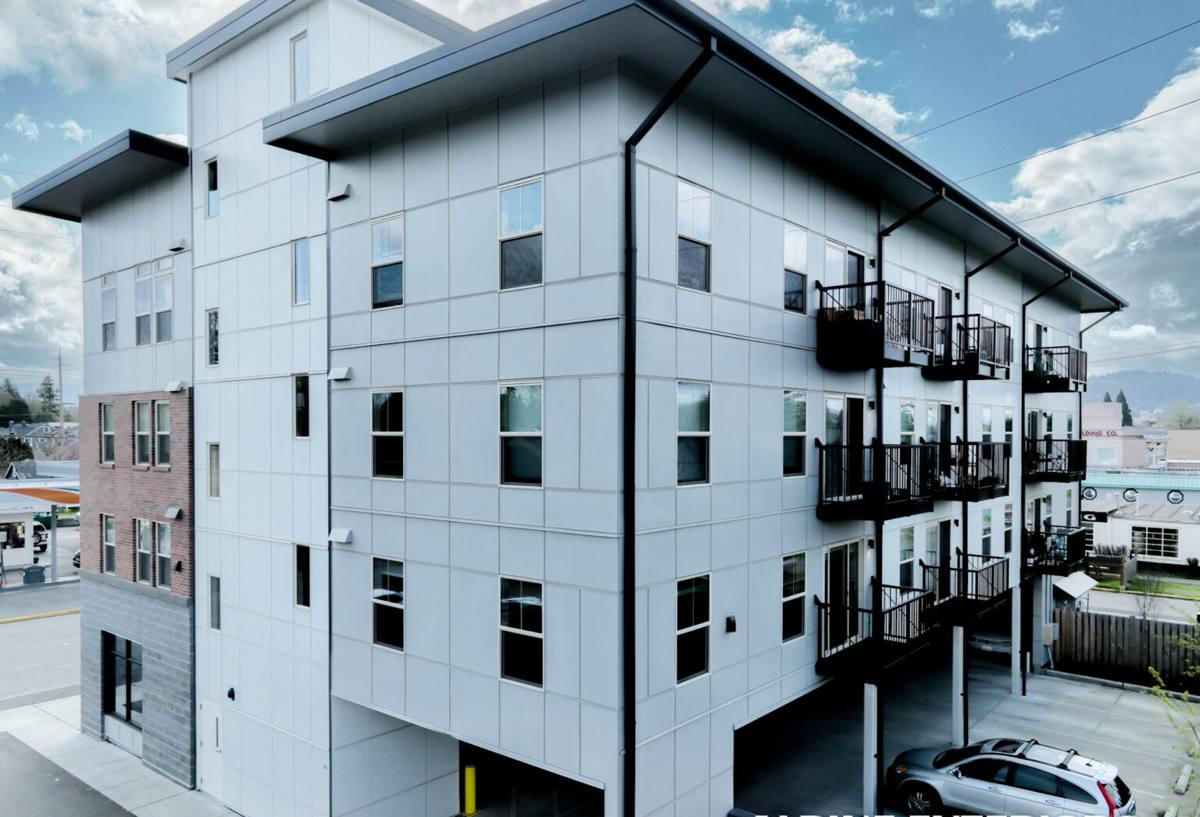
What the Island Environment Actually Does to Siding
Salt Air and Moisture
Being surrounded by open water means salt aerosol settles on exterior surfaces continuously, not just during storms. Salt is hygroscopic — it pulls moisture out of the air and holds it against whatever it lands on. On wood-based or wood-adjacent siding products, that means more sustained moisture contact at the surface, which accelerates swelling, checking, and paint failure. On fasteners and trim accessories, it accelerates corrosion if the wrong hardware was used.
Wind-Driven Rain
Tampa's summer storm pattern isn't gentle vertical rainfall — it's rain pushed horizontally into walls, soffits, and every seam or penetration in the siding system. Water finds its way behind poorly lapped panels, undersized flashing, or gaps left where trim meets the field. On an island lot with less surrounding structure to block wind, that effect is more pronounced than a few miles inland.
Constant UV
South and west-facing elevations on open, waterfront lots get sun exposure most of the day for most of the year. UV breaks down pigment and resin binders in paint over time, which is why factory-cured finishes hold color longer than field-applied paint on job-site siding.
Hurricane Wind Loads
Hillsborough County's coastal and near-coastal areas, Davis Islands included, sit in wind zones that require siding assemblies rated for sustained high wind pressure — not just the material itself, but how it's fastened, at what spacing, and with what edge distance.
Why We Install Only James Hardie in This Environment
We standardized on James Hardie fiber cement siding across every job we take, and on an island exposure like this, the reasoning is straightforward. Hardie's HZ5 formulation is engineered specifically for high-humidity, moisture-heavy climates like Florida's Gulf Coast — it resists moisture absorption, doesn't swell or rot the way wood-based products can, and holds up to sustained salt and humidity exposure far better than composite or engineered-wood siding. It's also non-combustible, which matters for insurance considerations in wind-exposed coastal zones, and it carries a factory-applied ColorPlus finish that's baked on and warranted against fading — a real advantage over field-painted siding on a lot that gets full sun most of the day.
We don't install vinyl, LP SmartSide, Cemplank, Allura, or primed wood siding, and on a property like this the trade-offs of those products show up faster than they would inland. Vinyl can warp and become brittle under sustained UV and salt exposure and offers little wind resistance compared to a properly fastened fiber cement panel. Wood-based composite products are more moisture-sensitive by nature, which is a real liability a few hundred feet from open water. That's not a knock on every use case for those products — it's why we've chosen not to put them on homes in an environment where the margin for moisture intrusion is this thin.
What a Correct Installation Looks Like Here
James Hardie siding performs the way it's rated to perform only when it's installed to the manufacturer's specifications — and on a wind- and moisture-exposed lot, shortcuts show up sooner. The details that matter most on this kind of site:
| Detail | Why It Matters on Davis Islands |
|---|---|
| Fastener spacing and type | Correct stainless or coated fasteners at manufacturer-specified spacing resist both wind uplift and salt-driven corrosion |
| Proper flashing at penetrations and trim | Blocks wind-driven rain from tracking behind the siding at windows, doors, and utility penetrations |
| Correct clearance from grade, roofing, and decking | Keeps the bottom edge of the siding from sitting in standing moisture or splash-back |
| Panel and joint caulking per spec | Prevents capillary water intrusion at horizontal and vertical seams during sideways rain |
| Proper starter strip and lap | Maintains the drainage plane so any moisture that does get behind the cladding can exit |
Every one of these is a place where a rushed or unfamiliar crew can technically "install Hardie siding" while quietly building in a failure point. On a waterfront lot, those failure points get tested constantly instead of occasionally.
Our Process for a Davis Islands Project
- On-site assessment — we look at current siding condition, moisture damage, wind exposure by elevation, and existing flashing and trim conditions specific to the lot.
- Product and profile selection — HardiePlank lap, HardiePanel, or a mixed approach depending on the home's architecture and exposure.
- Substrate and moisture barrier check — addressing any existing water damage or sheathing issues before new siding goes up, not after.
- Installation to manufacturer spec — correct fastening, flashing, clearances, and joint treatment as outlined above.
- Final inspection walk-through — verifying lines, caulking, and trim details before we call the job finished.
Color and Product Choices for a Waterfront Home
Davis Islands' architecture skews toward Mediterranean Revival and traditional coastal styles, and ColorPlus finishes come in a range that works with both — from warmer neutrals to deeper accent tones for trim and shutters. Because the finish is factory-applied and baked on rather than site-sprayed, it holds its color more consistently under the kind of constant sun exposure a waterfront lot gets, and it comes with its own finish warranty separate from the substrate warranty. We'll go over specific color and texture options — smooth or cedar-textured lap, panel, or shingle profiles — as part of the estimate, matched to the home's style and sun exposure by elevation.
Cost Factors on an Island Lot
| Factor | How It Affects the Job |
|---|---|
| Existing moisture/rot damage | Sheathing repair adds cost but must be resolved before new siding goes on |
| Home size and elevation count | More linear footage and more corners/penetrations mean more flashing and trim work |
| Access and site constraints | Narrow lots, mature landscaping, and proximity to seawalls or docks can affect staging and equipment access |
| Product profile chosen | Lap, panel, and shingle profiles carry different material and labor costs |
| Trim and accessory scope | Full trim replacement alongside siding is usually more cost-effective than siding alone |
We don't quote broad numbers without seeing the property — every one of these factors moves the estimate, and a lot on open water often has more of them stacked together than a typical inland home.
What to Look for in a Contractor for This Neighborhood
A crew that mainly works inland Tampa subdivisions isn't necessarily used to building in the extra margin an island lot demands. Before hiring anyone for siding work here, it's worth checking for:
- Experience specifically with coastal or near-coastal wind-zone installations, not just general siding work
- Familiarity with James Hardie's published installation specifications for high-wind, high-moisture climates
- A clear plan for addressing any existing moisture or sheathing damage before new siding goes up
- Use of corrosion-resistant fasteners and hardware appropriate for salt air exposure
- A written scope that spells out flashing, trim, and caulking details — not just "siding replacement" as a line item
- Manufacturer product knowledge to recommend the right profile and finish for the home's specific exposure
Getting these details right the first time matters more here than almost anywhere else in Hillsborough County, because redoing siding work on a waterfront home costs more in every direction — material, labor, and the moisture damage that can accumulate while a bad install goes unnoticed.
Ready for a Straight Answer on Your Home
If you're weighing a siding replacement or repair on Davis Islands, we're glad to walk the property, look at your current siding and trim condition, and give you a clear, no-pressure estimate for James Hardie siding done right for your home's specific exposure. Fill out the form below to get started.