 Tampa Siding
 Building a Deck That Actually Holds Up in Land O' Lakes
Land O' Lakes sits in the Tampa Bay region's inland belt, which sounds like it should mean less weather exposure than the coast. In practice, a deck built here still has to survive the same tropical storm season, the same relentless UV load, and the same swings between soaking-wet summers and dry winter cold snaps as anywhere else in the greater Tampa area. We build and repair decks throughout this part of the Bay area, and the pattern we see over and over is the same: decks that were built to a generic national spec start failing years before they should, while decks built for this specific climate keep performing.
A deck here isn't just an outdoor platform — it's exposed structural lumber, fasteners, and connections sitting outside year-round in high humidity, direct sun, and periodic high wind. Every material and connection decision either accounts for that or it doesn't.
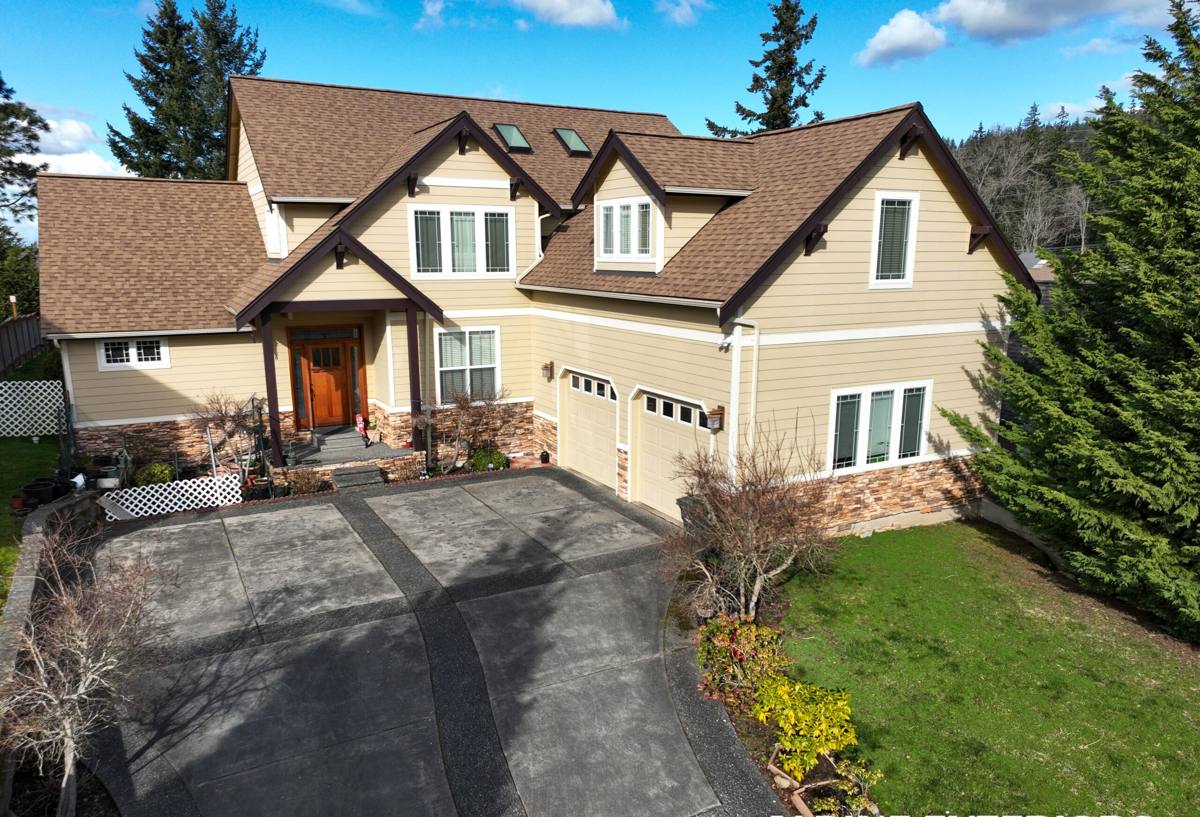
What Land O' Lakes Homes Actually Need From a Deck
Wind and storm loading
Hurricane-force wind events reach well inland across the Tampa Bay region, and a deck attached to your house is a structural element, not just a piece of outdoor furniture. Ledger board attachment, post connections, and joist hangers all need to resist uplift and lateral load, not just carry the weight of people standing on the deck. A deck that was only designed for gravity load — someone walking on it — can come loose from the house or rack sideways in a bad wind event.
UV and heat
Central Florida sun is intense and constant almost year-round. UV breaks down the surface fibers of wood decking, dries out and cracks caulks and sealants, and fades composite and PVC boards unevenly if they aren't rated for it. Metal fasteners and connectors left exposed also heat-cycle daily, which stresses any sealant or coating around them.
Wind-driven rain and humidity
Afternoon storms in this area don't fall straight down — wind pushes rain sideways and up under boards, railings, and ledger connections. Combined with our humidity, that means any spot where water can get trapped against wood or fasteners without drying out becomes a rot or corrosion point. Drainage and ventilation underneath the deck matter as much as what's on top.
Salt air influence
Land O' Lakes is inland compared to the immediate Gulf coast, but the broader Tampa Bay area still carries salt-laden air on onshore wind flow. Over years, that accelerates corrosion on lower-grade fasteners and hardware, which is why we don't treat fastener selection as an afterthought.
Getting the Materials Right
There's no single "best" decking material — there's a best fit for your budget, how the deck will be used, and how much upkeep you actually want to do. Here's how the common options compare for a Tampa Bay backyard:
| Material | Upfront Cost | Climate Behavior Here | Maintenance | Best For |
|---|---|---|---|---|
| Pressure-treated pine | Lowest | Handles moisture if properly sealed; prone to warping/checking under strong UV if not maintained | Re-seal or stain every 1-2 years | Budget-conscious builds, homeowners willing to do upkeep |
| Composite decking | Mid to upper-mid | Stable in humidity, doesn't rot; quality varies by product on fade and heat resistance | Occasional cleaning, no sealing/staining | Homeowners who want low upkeep long-term |
| PVC/capped polymer | Highest | Fully moisture-proof, very good UV-fade resistance on quality lines | Lowest — cleaning only | Long-term ownership, minimal maintenance tolerance |
| Tropical hardwood | High | Naturally dense and rot-resistant, but demands consistent oiling to control checking in our sun | Oil/seal annually | Homeowners who want a natural wood look and will maintain it |
Whichever surface material you choose, the substructure underneath — joists, beams, posts, and footings — should be pressure-treated lumber rated for ground contact where applicable, or better. We don't cut corners on the framing to save money on the decking, because the framing is what actually keeps the deck standing through a storm.
Fasteners and hardware
This is where a lot of decks quietly fail years down the road. Standard electro-galvanized screws and brackets corrode faster in our humidity and salt-influenced air than most homeowners expect, especially in contact with pressure-treated lumber's chemical treatment, which accelerates corrosion on the wrong metal. We use stainless or coated fasteners and connectors rated for treated lumber contact — it costs more up front and it's the difference between hardware that lasts and hardware that rusts through in a handful of years.
Structure and Code — What a Correct Job Involves
A deck that looks fine can still be built wrong underneath. Pasco County and the surrounding jurisdictions require permits and inspections for most attached decks, and that process exists for real reasons — ledger attachment and footing depth are the two places we see the most corner-cutting on decks that weren't permitted properly.
- Ledger board bolted (not just nailed) into the house's rim joist or structure, with flashing that actually sheds water away from the house wall
- Footings sized and set to local frost/load depth requirements, not just "deep enough to look right"
- Post-to-beam and beam-to-joist connections rated for both vertical load and wind uplift
- Joist spacing appropriate to your chosen decking material's span rating
- Railing and guard posts anchored to resist lateral load, not just screwed to the rim board
- Stair stringers sized correctly and properly fastened at top and bottom
Skipping the permit and inspection step might save a couple weeks, but it also means nobody outside the builder ever verified the structure. If you ever sell the home, an unpermitted deck addition is a common point of friction in inspections and closings.
How We Approach a Deck Build in Land O' Lakes
1. Site visit and design
We look at your yard's drainage, sun exposure, and how the deck will attach to your house before we talk materials. A shaded, low-drainage yard and a full-sun, well-drained lot call for different decisions on framing height, ventilation, and material.
2. Material and layout selection
We walk through the tradeoffs above in plain terms — what each material actually costs to own over 10-15 years here, not just what it costs to install.
3. Permitting
We handle the permit submission and coordinate inspections so the structural work is verified at the right stages, not just at the end.
4. Build
Framing first, with attention to ledger attachment, footings, and hardware. Decking, railing, and stairs go on once the structure passes inspection.
5. Final walkthrough
We walk the finished deck with you, point out anything that needs periodic attention (sealing schedule, hardware checks), and answer questions before we consider the job done.
Maintaining a Deck Through a Tampa Bay Year
Even a well-built deck needs some seasonal attention to get its full lifespan out of our climate:
- Check and clear drainage gaps between boards after heavy storm season — trapped debris holds moisture against the wood
- Inspect fasteners and connectors annually for early corrosion, especially near ground level and stair connections
- Re-seal or stain wood decking on the schedule your product calls for — UV here breaks down finishes faster than in milder climates
- Rinse composite or PVC decking periodically to prevent mildew buildup in shaded, humid areas
- After any major wind event, walk the deck and check railing and ledger connections for movement
Signs your existing deck needs attention
- Soft or spongy spots in decking boards
- Rust staining around fasteners or brackets
- Visible gap or movement where the ledger meets the house
- Wobble in railings or stair stringers
- Standing water that doesn't drain within a few hours after rain
Why Hiring a Crew That Already Works in Land O' Lakes Matters
Building codes, permitting offices, and even typical soil and drainage conditions vary by jurisdiction, and a crew that already does regular work in this part of the Tampa Bay area knows the local permitting process, the inspectors, and the climate demands without a learning curve on your project. That familiarity translates into fewer surprises during permitting and a structure that's built for the wind, heat, and rain patterns this area actually sees — not a generic spec pulled from a national build guide.
It also means someone local you can call after the job is done — for a warranty question, a maintenance question, or an inspection after a bad storm — rather than a crew that's moved on to another region entirely.
If you're considering a new deck or need an honest look at one you already have, we're happy to come take a look. There's no pressure and no cost to get our read on your project — just fill out the form below to request a free estimate.