 Tampa Siding
 When a Plant City Deck Needs Replacement, Not Another Repair
Most decks don't fail all at once. A board cups here, a railing post wiggles a little more each year, a stair stringer starts to feel soft underfoot — and it's easy to keep patching those problems one at a time. At some point, though, patching stops making sense. If the framing underneath has started to go, if rot or insect damage has spread past a board or two, or if the deck was built years ago to a lower wind and fastening standard than current code calls for, replacement is usually the more honest answer than another round of repairs.
That's a harder call to make from the outside than it sounds. A deck can look mostly fine on the surface while the substructure underneath — the ledger board, the joists, the post footings — is doing the real work of holding it up and quietly losing strength. This page walks through what actually drives that decision, what a correct deck replacement involves in Plant City's climate, and how our process works from first visit to finished deck.
Signs It's Time to Replace Rather Than Repair
- Soft, spongy, or visibly rotted framing under the deck surface, not just surface-level board wear
- Multiple deck boards cupping, splitting, or pulling away from fasteners across the deck, not just one or two spots
- A ledger board (where the deck attaches to the house) that shows separation, water staining, or rot — this is the connection point most likely to cause a serious failure if it's compromised
- Railing or post movement that doesn't tighten back up after fasteners are checked
- A deck built before current wind-load and fastening standards were in place, especially one that's never been re-evaluated against them
- Visible insect damage, particularly in older wood-framed decks
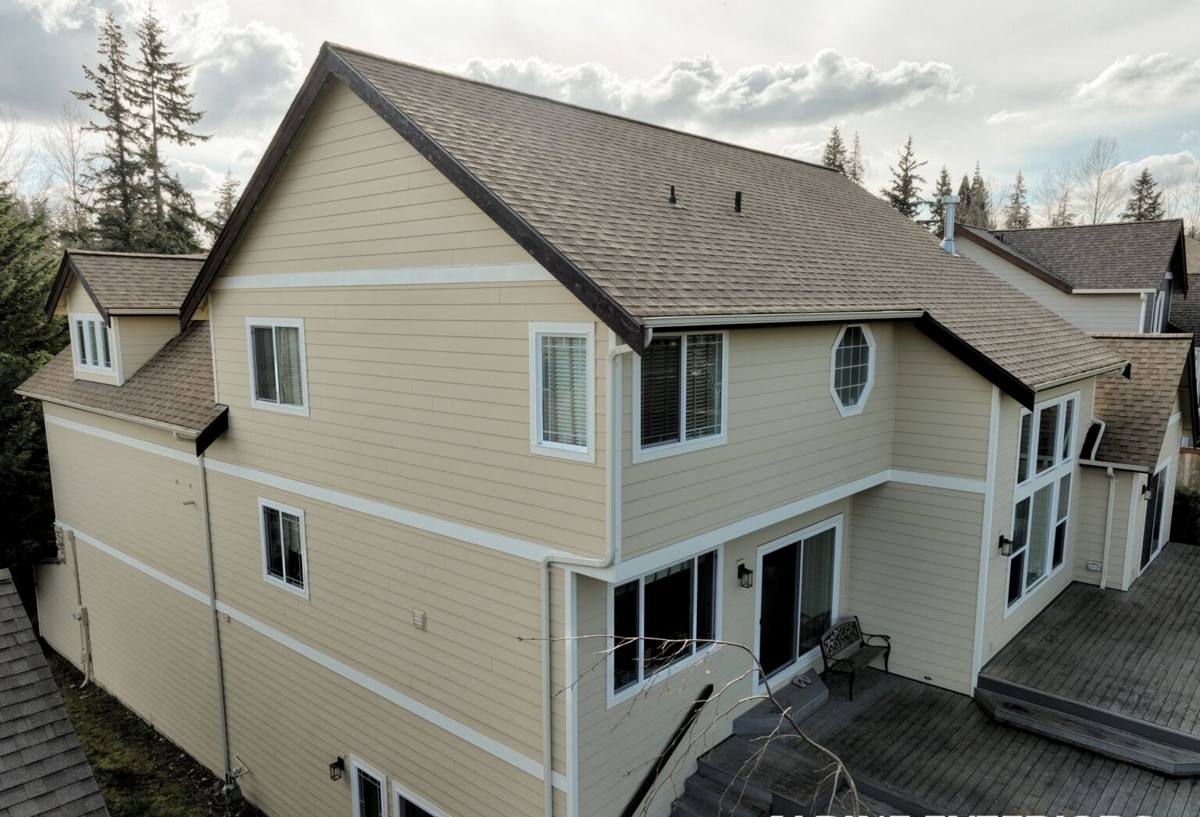
What Hillsborough County's Climate Does to a Deck
Plant City sits inland in eastern Hillsborough County, away from the immediate coast, so it doesn't take on the direct salt spray that a waterfront Tampa property deals with day to day. That doesn't mean the climate goes easy on a deck out here — it just wears one down through a different combination of stresses.
Sun and Heat
Central Florida's UV exposure runs high nearly year-round, and a deck takes it head-on with little to no shade for most of the day in a typical yard. UV breaks down unprotected wood fibers and unstabilized finishes over time, which is why an untreated or poorly sealed wood deck starts graying and checking well before its structural life is actually up. Heat buildup on a dark, low-quality surface can also make a deck genuinely uncomfortable to walk on barefoot through the summer.
Hurricane-Force Wind
Plant City is squarely within the path of tropical systems that move through West Central Florida, and hurricane-force wind is a real design condition here, not a rare exception. A deck's framing, its connection to the house at the ledger board, and its railing and post attachment all need to be sized and fastened to hold up under that kind of load — not just built to look sturdy on a calm day.
Wind-Driven Rain and Humidity
Storms in this area rarely bring straight-down rain. Wind pushes moisture under railings, into board gaps, and against the framing from angles a well-drained deck needs to plan for. Between storms, Central Florida's humidity stays high for much of the year, which keeps moisture in contact with wood surfaces and fasteners longer than a drier climate would, accelerating rot and corrosion if the deck wasn't built to shed water and dry out properly.
Ground Moisture and Seasonal Rain
Plant City's agricultural surroundings and flatter terrain mean a lot of area yards deal with slow-draining soil and standing water after heavy rain, especially during the summer wet season. A deck's footings and any ground-level framing need to account for that, since a substructure sitting in damp soil for extended periods breaks down faster than one with proper drainage and clearance underneath it.
Choosing the Right Decking Material for This Climate
There isn't one correct material for every deck — the right choice depends on budget, how the space gets used, and how much upkeep a homeowner actually wants to do. What matters is picking with Plant City's sun and rain in mind rather than defaulting to whatever's cheapest at the lumber yard.
| Material | How It Handles Sun & Rain Here | Maintenance | Typical Lifespan |
|---|---|---|---|
| Capped composite | Strong — cap layer resists moisture absorption and UV fade | Occasional washing; no sealing or staining | Long-term, backed by manufacturer warranty |
| Cellular PVC | Excellent — no wood fiber to absorb moisture at all | Occasional washing; no sealing or staining | Long-term, generally at a higher upfront cost |
| Uncapped composite | Moderate — more prone to moisture absorption and fading over time | Periodic cleaning to manage staining and mildew | Shorter than capped products in this climate |
| Pressure-treated pine | Weak against sun and rain without upkeep — grays, checks, and can rot at fasteners | Regular sealing or staining required | Shortest of the common options without diligent maintenance |
We'll walk through these options against your budget and how you actually plan to use the deck. A composite or PVC surface generally makes more sense for a deck that gets heavy sun exposure or that you don't want to be resealing every couple of years; a well-maintained pressure-treated wood deck can still be the right call for some budgets, as long as the upkeep commitment is clear going in.
What a Correct Deck Replacement Involves
The visible decking gets most of the attention, but the substructure is what actually determines whether a deck holds up through a Central Florida storm season. A replacement done right includes:
- Full removal of the old deck surface and inspection of the framing and footings underneath before anything new goes in
- Framing material rated for ground contact and moisture exposure, sized for current wind-load requirements
- Corrosion-resistant fasteners throughout — standard-grade hardware corrodes faster in Florida's humidity than most homeowners expect
- Proper ledger board flashing and attachment where the deck ties into the house, since this is the connection most likely to fail if it's done wrong
- Joist spacing matched to the specific decking product's span rating rather than a generic standard
- Correct board gapping for expansion, contraction, and drainage
- Railing and post attachment sized to hold up under hurricane-force wind loads
- Footings and framing kept clear of standing water, with grading or drainage addressed if the site needs it
Skipping any one of these usually doesn't cause a problem in year one. It shows up later — a soft spot in the framing, a railing post that's loosened, or fasteners that have corroded enough to stain the boards around them.
Permitting in Plant City and Hillsborough County
Deck replacement in unincorporated Hillsborough County or within Plant City's city limits generally requires a building permit, since it involves structural framing work, not just a cosmetic surface swap. Permitting confirms the new deck's framing and fastening meet current wind-load and construction requirements for the area — which matters most on an older deck that was originally built to a lower standard than what's required now. We handle the permitting process as part of the job so it's not something you have to sort out on your own.
How Our Process Works
We start with a site visit to look at the existing deck's condition, the framing underneath if it's accessible, drainage and grade around the deck area, and how much sun the space gets through the day. From there we talk through material options that fit your budget and how the space actually gets used — a quiet sitting area, an entertaining space, or something built around outdoor cooking.
Once we've agreed on a plan, we pull the necessary permit and schedule the work. Demolition of the old deck comes first, followed by a full inspection of the footings and any ground-level framing that's being reused or needs replacing. From there we build the substructure to current wind-load and fastening standards, install the decking surface and railing, and finish with a walkthrough covering what maintenance your specific material choice actually needs — which is often very little, but rarely nothing at all.
What Drives the Cost of a Deck Replacement
| Factor | Why It Matters |
|---|---|
| Deck size and layout | More square footage and complex shapes (multiple levels, angles) mean more material and labor |
| Decking material chosen | Pressure-treated wood costs less upfront; composite and PVC cost more but need far less ongoing maintenance |
| Substructure condition | Footings or framing that need full replacement rather than reuse add to the scope |
| Railing style and height | Custom railing, glass panels, or elevated decks with code-required railing heights add cost |
| Site access | Tight yards or decks that require material to be carried in rather than delivered close by can add labor time |
| Permitting requirements | Elevated decks or those attached to the house in complex ways may carry additional review |
We'll give you a clear, itemized estimate before any work starts, so you know what you're paying for and why — not a number pulled out of thin air.
Keeping a New Deck in Good Shape
Whatever material you choose, a new deck holds up longest with a small amount of routine attention:
- Sweep off leaves, pollen, and organic debris regularly so it doesn't trap moisture against the surface
- Rinse the deck periodically, especially after pollen season or extended dry spells followed by rain
- Check railing posts and hardware once or twice a year for early signs of loosening or corrosion
- Keep gutters and downspouts near the deck clear so runoff isn't draining directly onto or under it
- Address any soft framing or standing water underneath right away — that's structural, not cosmetic, and it doesn't improve with time
Why It Matters That We Already Work Plant City
A crew that mostly works elsewhere in the Tampa Bay area can still build a competent deck, but Plant City has its own mix of conditions — flatter, slower-draining lots, a strong seasonal rain pattern, and full exposure to the same hurricane risk as the rest of Hillsborough County without the direct coastal salt air that shapes decisions closer to the water. Working this area regularly means we're not guessing at what the local soil and drainage conditions call for, or learning Hillsborough County's permitting process on your project. We know what framing and fastening standards actually hold up here, because we've built to them before, on the same kind of lots.
That familiarity also means a straightforward conversation about what your deck actually needs versus what's just an upsell — whether that's a full composite rebuild or a solid, well-built wood deck that fits a tighter budget.
Whether your current deck needs to come down and be rebuilt or you're planning a new one from scratch, we're happy to take a look and give you an honest read on what it'll take. Reach out below for a free, no-pressure estimate.