 Tampa Siding
 Lutz Sits at the Edge of Tampa, But Its Siding Faces the Same Fight
Lutz is a quieter, more wooded corner of the greater Tampa area, tucked into northern Hillsborough County away from the density of downtown. That distance from the urban core doesn't buy a home's exterior any real protection from the weather that defines this part of Florida. Intense, near year-round UV breaks down pigments and caulk faster here than in most of the country. Hurricane season brings sustained straight-line winds and, in the worst years, hurricane-force gusts that test every fastener, seam, and piece of trim on a house. Wind-driven rain during those same storms doesn't just fall on siding, it gets pushed sideways and upward into laps, joints, and penetrations that were never designed to shed water from that angle. And even well inland from Tampa Bay, Gulf humidity and periodic salt-tinged air work on exposed surfaces year-round, especially during onshore flow ahead of a storm system.
None of that is unique to Lutz. It's the reality for most of the Tampa Bay region. What matters is that the siding on a Lutz home has to be a product and an installation that were actually built for these conditions, not a product designed for a mild climate and installed the same way it would be in a place that never sees a hurricane watch.
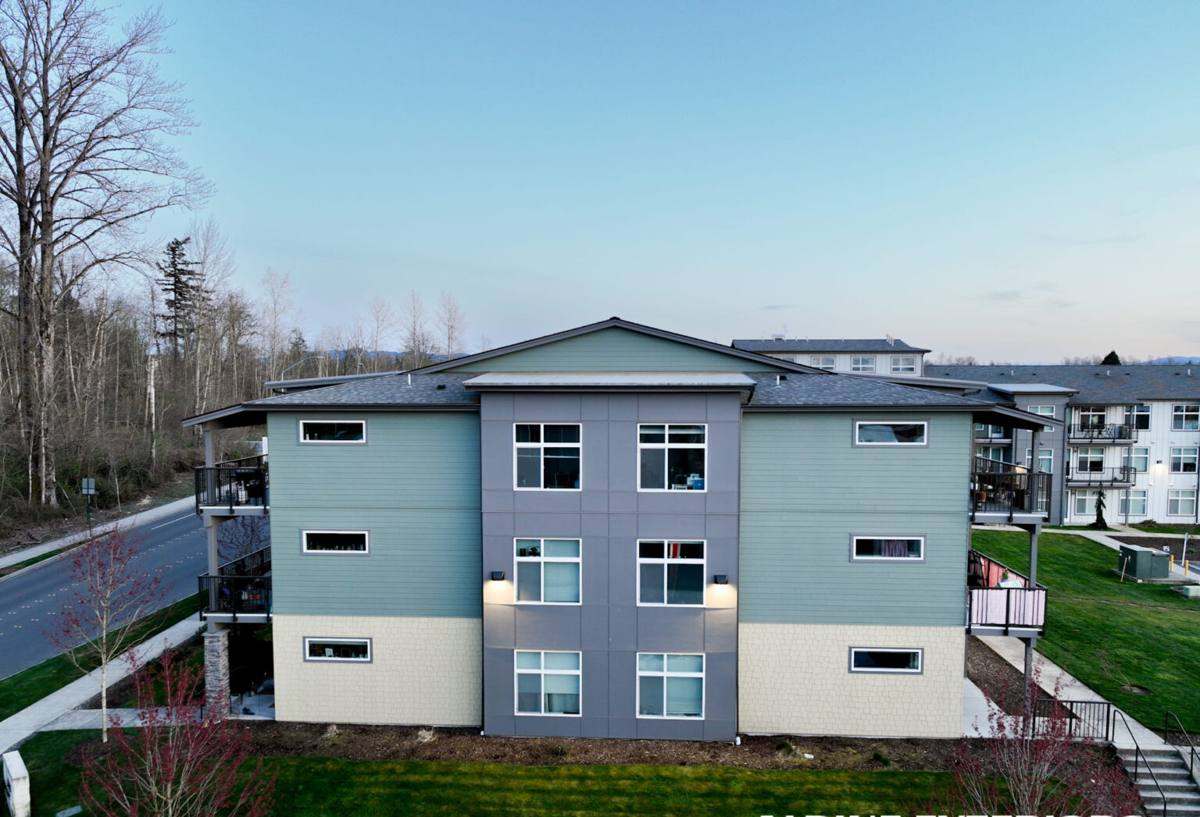
What James Hardie Fiber Cement Is, and Why We Install Only It
James Hardie siding is a fiber cement product: portland cement, sand, and cellulose fiber, formed into planks or panels and cured. The core material is inorganic, which means it doesn't absorb water and swell the way wood or wood-based products can, and it doesn't give fungus, insects, or rot anything organic to work with. We install James Hardie exclusively on Tampa-area homes. We don't install vinyl, LP SmartSide, Cemplank, Allura, or primed or unfinished wood siding, not because those products have no place in the market, but because our standard for what goes on a home in this climate is Hardie's fiber cement system installed to spec.
The HZ10 Line, Engineered for Hot, Humid, High-UV Regions
Hardie doesn't sell one universal product. Its HZ system is engineered by climate zone, and Central Florida falls into the HZ10 zone, built specifically for regions with intense UV exposure, high humidity, and hot, wet summers, as opposed to the HZ5 formulation used in colder, freeze-thaw climates further north. That distinction matters. A siding product engineered for a Pacific Northwest winter is solving a different problem than one engineered for a Tampa summer, and using the correctly zoned Hardie product is part of getting the material right before installation even starts.
ColorPlus Factory Finish
Most of the Hardie products we install come with the ColorPlus finish option, a coating baked onto the board in a controlled factory environment rather than brushed or sprayed on site after installation. That finish is formulated to resist UV fading and hold up against the kind of sun exposure Hillsborough County sees for most of the year, and it comes with its own finish warranty separate from the substrate warranty. A factory-cured finish also means fewer seams in the paint film compared to a field-applied coat, which matters when wind-driven rain is looking for any weak point to get behind.
What a Correct Fiber Cement Installation Actually Involves
Fiber cement siding is only as good as the installation underneath it. A quality board installed loosely, without proper moisture management, will still cause problems in a climate like this one. Two parts of the job matter more than any other: what's behind the siding, and how the siding itself is fastened and sealed.
Moisture Barrier and Flashing Details
Every correct install starts with a weather-resistant barrier over the sheathing, lapped and taped so water sheds downward and outward rather than working its way behind the barrier at a seam. Flashing has to be integrated at every window, door, and roofline penetration, with kick-out flashing directed away from the wall where a roof edge meets a sidewall, a detail that gets skipped more often than homeowners realize and is a common source of hidden rot years later. None of this is visible once the siding goes on, which is exactly why it has to be done right the first time.
Fastening, Clearance, and Caulking
Hardie publishes specific fastener types, spacing, and penetration depth requirements, and those specs exist because they're what the product needs to resist wind uplift during a tropical storm or hurricane, not because of an arbitrary manufacturer preference. Boards need consistent ground clearance, typically a minimum gap above grade, decks, and roof lines, so moisture doesn't wick up from below. Butt joints need proper gaps and quality sealant so the boards can move slightly with temperature and humidity swings without cracking the caulk line open. Skipping any one of these steps doesn't usually cause an immediate problem. It shows up two, five, or ten years later as a soft spot, a stain, or a seam that's pulled away from the wall.
Installed to Spec vs. Common Shortcuts
| Detail | Correct Practice | Shortcut That Causes Problems |
|---|---|---|
| Weather-resistant barrier | Continuous, properly lapped and taped over full wall | Gaps, reused housewrap, or missing seam tape |
| Flashing at penetrations | Flashed and integrated at every window, door, and roofline | Caulk used as a substitute for real flashing |
| Fastener pattern | Matches Hardie's published spacing and penetration depth | Fewer or improperly placed fasteners to save labor time |
| Ground clearance | Manufacturer-specified minimum clearance maintained | Siding installed too close to grade, decks, or roofing |
| Butt joints | Consistent gap with proper sealant, allows for movement | Boards butted tight with no expansion allowance |
| Product climate zone | HZ10 formulation matched to Central Florida's UV and humidity | Generic or mismatched product line substituted to cut cost |
Signs a Lutz Home's Siding Needs a Closer Look
Most siding failures in this climate don't announce themselves with a single dramatic event. They show up gradually, usually starting at the details that were rushed during the original install.
- Soft or spongy spots when you press on the siding, especially near the bottom courses or below windows.
- Paint or finish peeling in strips at seams and joints rather than wearing evenly across the whole wall.
- Visible warping, buckling, or waviness in the siding line, particularly on walls that take direct afternoon sun.
- Gaps or separation at trim and corner boards after a windy storm season, especially if fastening was light to begin with.
- Dark streaking or discoloration that keeps returning even after cleaning, which often points to trapped moisture behind the siding.
- Rust bleed streaks running down from fastener heads, a sign of the wrong fastener type or corrosion working through the finish.
Our Process, From Estimate to Finished Install
The steps we take on a Lutz project are the same ones that keep the details above from becoming problems later.
- An on-site walkthrough where we look at the current siding, check for hidden moisture or substrate damage, and talk through what you actually want out of the project.
- A written estimate with product line, ColorPlus color, and trim selections spelled out, so there's no ambiguity about what's being installed.
- Permitting through the applicable Hillsborough County process before any work begins.
- Tear-off of the existing siding and an inspection of the sheathing underneath, with any rot or damage repaired before new siding goes on top of it.
- Installation of the weather-resistant barrier and flashing at every window, door, and roofline detail.
- Hardie siding installed to the manufacturer's published fastening, clearance, and joint specifications.
- Caulking, trim work, and finish touch-up, followed by a final walkthrough so you can see the completed job before we consider it done.
Cost Factors for a Fiber Cement Project in Lutz
| Factor | What It Affects | Why It Matters Here |
|---|---|---|
| Tear-off vs. install over existing siding | Labor scope and access to the sheathing underneath | Tear-off is the only way to catch hidden storm or moisture damage before it's covered up again |
| Substrate condition | Repair costs before new siding can go on | Years of wind-driven rain finding its way behind older siding can rot sheathing unnoticed |
| Product line and profile | Material cost per square | HZ10-rated boards and specific profiles cost more than generic options but match the climate |
| ColorPlus vs. field-applied finish | Upfront cost and long-term repainting needs | Factory finish resists UV fade longer, which reduces repainting frequency under Florida sun |
| Home complexity | Labor time and trim detail work | More corners, dormers, and rooflines mean more flashing points exposed to wind-driven rain |
Exact numbers depend on the home's size, condition, and the scope of substrate repair once the old siding comes off, which is why we walk the property in person before giving a real number rather than quoting off a generic price sheet.
Why Hiring a Crew That Already Works in Lutz Matters
A siding installer's familiarity with Hillsborough County's permitting process, inspection expectations, and wind-load requirements isn't a small convenience, it's the difference between a project that moves on schedule and one that stalls waiting on paperwork or fails an inspection over a detail an out-of-area crew didn't know to check. A crew that regularly works in and around Lutz has also seen how homes here actually perform through real hurricane seasons, not just on a spec sheet, which shapes how they handle flashing, clearance, and fastening decisions on your specific house. And when a warranty question or a follow-up detail comes up two or three years down the road, a local, established crew is the one that's still around and reachable, not a name that showed up for one storm-chasing season and moved on.
Get a Free, No-Pressure Estimate
If you're weighing a siding replacement for a home in Lutz or elsewhere around Tampa, we're glad to walk the property, look at what's actually happening on your walls, and give you a straight answer about what we'd recommend and why. Reach out using the form below to schedule a free estimate, no pressure and no upsell script.