 Tampa Siding
 Ybor City's Buildings Take a Different Kind of Beating Than the Rest of Tampa
Ybor City sits close to the water, close to downtown, and close to more than a century of Tampa's building history. That combination makes it one of the more demanding places in Hillsborough County to keep an exterior looking good and performing well. Homes here range from older wood-frame construction with narrow lap profiles to newer infill built to modern code, often sitting shoulder-to-shoulder on tight urban lots. Whatever the age of the structure, the exterior siding is doing the same job: keeping wind-driven rain out, standing up to salt-laden air moving in off the bay, and surviving direct Florida sun almost every day of the year.
This page is about one thing only — installing James Hardie fiber cement siding correctly on Ybor City homes. Not siding in general, not every neighborhood in Tampa, just what this specific area needs and what a correct job actually looks like here.
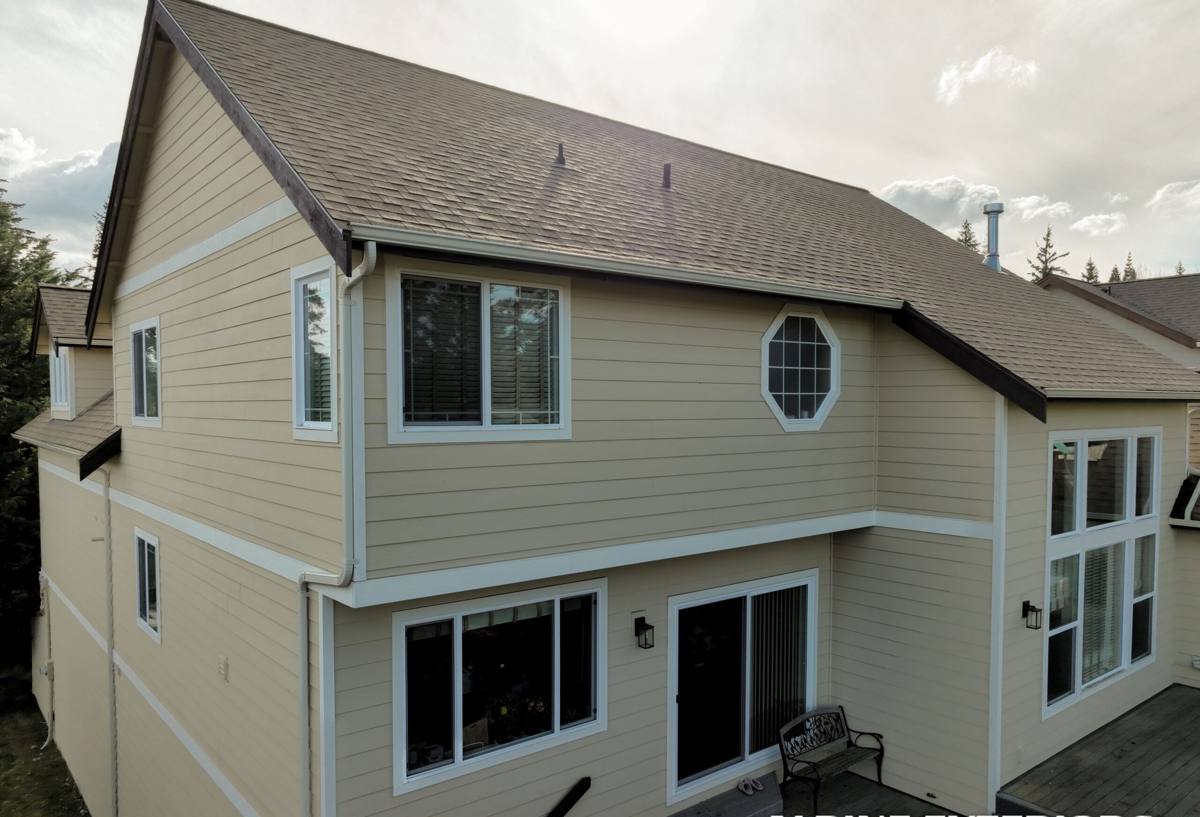
What the Climate Actually Does to Siding in This Neighborhood
Hurricane-Force Wind Exposure
Ybor City is well within the wind zones that Hillsborough County's building code accounts for, and every storm season brings the possibility of sustained high winds and wind-driven debris. Siding that isn't fastened to spec — wrong nail pattern, wrong penetration depth, missing clips at the right intervals — is the siding that peels off in a storm. This isn't a hypothetical; it's the single most common failure point inspectors and insurance adjusters see after a named storm moves through the bay area.
Wind-Driven Rain
Wind doesn't just push against siding, it pushes rain sideways and up under laps, around trim, and into any gap in the water-resistive barrier. A siding system is only as good as the flashing and house wrap behind it. Fiber cement handles bulk water well once it's dry, but the installation details around windows, doors, and butt joints determine whether water gets behind the cladding in the first place.
Intense, Year-Round UV
Tampa doesn't get a real off-season for sun exposure. UV degrades paint film, breaks down caulk, and dries out any siding material that depends on a field-applied finish. This is one of the biggest reasons factory-applied finishes matter more here than they do in milder climates — a coating baked on in a controlled environment simply holds up longer than one rolled or sprayed on site.
Salt Air
Being close to Tampa Bay and the Ybor Channel means airborne salt is a constant, low-grade factor in material degradation. Salt accelerates corrosion on fasteners and metal flashing, and it can accelerate the breakdown of finishes that aren't formulated to resist it. Material choice and hardware choice both matter more here than they would twenty miles inland.
Why Fiber Cement Is the Right System for This Area's Mix of Old and New Homes
Ybor City's housing stock isn't uniform, and that's part of what makes siding decisions here more nuanced than in a newer subdivision. Older homes often carry narrow lap reveals and simple trim details that reflect the neighborhood's early-20th-century building patterns. Newer infill tends to follow more modern proportions. Fiber cement is one of the few claddings that can be milled to match either look convincingly — narrow lap for a more traditional profile, wider reveal for a more contemporary one, and shingle-style panels where a textured look is called for.
That flexibility matters because siding replacement in a neighborhood like this isn't just a performance decision, it's also a character decision. A product that only comes in one or two generic profiles limits what a homeowner can do to keep a home looking like it belongs on its block.
Non-Combustible Material in a Dense Urban Setting
Homes in Ybor City often sit closer together than in newer suburban developments. Fiber cement is non-combustible, which is a meaningful advantage over wood or engineered-wood products when structures are close together and a fire on one property has a shorter distance to travel to the next.
What a Correct Fiber Cement Installation Actually Involves
Fiber cement is a forgiving material once it's up, but it is not a forgiving material to install badly. Most of the siding failures we get called to look at in this area trace back to a handful of installation shortcuts, not the material itself.
The Water-Resistive Barrier and Flashing Come First
Before a single piece of siding goes up, the house needs a continuous, properly lapped weather barrier, correctly integrated flashing at every window and door, and kick-out flashing wherever a roofline meets a wall. This layer is invisible once the job is done, which is exactly why it's the layer most likely to get shortcut by a crew in a hurry.
Fastening to Manufacturer Spec, Not Habit
James Hardie publishes specific fastener types, spacing, and penetration requirements, and those requirements exist because of wind load testing, not preference. In a wind zone like Tampa's, using the wrong nail, spacing fasteners too far apart, or face-nailing when the manufacturer calls for blind-nailing is the difference between siding that stays put in a storm and siding that doesn't.
Clearances and Caulking Done Right
Fiber cement needs proper clearance from grade, roofing, and decking surfaces to avoid trapping moisture against the bottom edge. Butt joints and trim intersections need to be caulked with a product rated for the movement and UV exposure this climate produces — not whatever caulk happens to be in the truck.
Factory-Applied Finish
We install ColorPlus factory-finished siding rather than field-painting after installation. The factory process bakes on a finish engineered to resist UV fade and chipping far longer than a job-site paint job, which matters enormously given how much direct sun this area gets across the full year.
Cost Factors for a Ybor City Fiber Cement Project
Every home is different, and the only way to get a real number is a walk-through, but these are the factors that most often move the price on a project in this neighborhood.
| Factor | Why It Matters Here | What We Check On-Site |
|---|---|---|
| Age and condition of existing wall assembly | Older Ybor City structures may have hidden moisture or wood damage behind the current siding | Moisture readings and a visual check once old siding is off |
| Siding profile and trim complexity | Matching a historic-style narrow lap or shingle pattern takes more cutting and labor than a plain wide-reveal install | Existing profile, trim depth, and corner details |
| Lot access and building spacing | Tight urban lots and close-set homes can limit staging and scaffolding options | Setbacks, alley access, and neighboring structure clearance |
| Number and style of window and door openings | Older homes often have more, and less standardized, openings than newer construction | Flashing condition and trim return details at each opening |
| Removal and disposal of existing cladding | What's coming off (wood, vinyl, or older fiber cement) affects labor and disposal cost | Material type and how it's currently fastened |
Our Process, Start to Finish
- Walk-through and assessment — we look at the current siding, the wall assembly where accessible, wind and moisture exposure on each elevation, and the profile that fits the home.
- Written estimate — a clear scope covering removal, any needed sheathing or barrier repair, the Hardie product and profile selected, and color.
- Removal and inspection — old siding comes off, and we check the sheathing and water barrier underneath before anything new goes up. Problems found here get flagged and addressed, not covered over.
- Weather barrier and flashing installation — done to manufacturer and code spec before the first piece of Hardie board is hung.
- Siding installation — fastened per James Hardie's published requirements for this wind zone, with attention to clearances and joint treatment.
- Final walk-through — we go over the finished job with the homeowner before calling it done.
What Ybor City Homeowners Should Ask Before Hiring Anyone for This Work
- Do you install to the manufacturer's published fastening and clearance specs, or your own standard?
- Will you inspect the sheathing and water barrier once old siding is removed, before installing new material?
- What flashing details do you use at windows, doors, and roof-to-wall intersections?
- Is the finish factory-applied, or will the siding be painted on site after installation?
- Have you worked on homes in this neighborhood before, and do you understand the mix of older and newer construction here?
- What does the manufacturer's warranty actually cover, and does it depend on using a certified or approved installer?
Why a Crew That Already Works in Ybor City Is Worth Choosing
Siding work in this neighborhood isn't identical to siding work in a newer Tampa subdivision. A crew that regularly works in Ybor City has already dealt with the tighter lot lines, the mix of older wall assemblies and newer construction, and the specific wind and salt exposure that comes with being this close to the bay. That familiarity shows up in small decisions — how staging gets set up on a narrow lot, what to expect when old siding comes off a home built decades ago, which profile actually reads correctly next to the neighboring houses. None of that is guesswork when it's a neighborhood a crew already knows.
We install James Hardie fiber cement siding exclusively. We don't install vinyl, LP SmartSide, or other engineered-wood or fiber cement alternatives, and we're upfront about why: for Hillsborough County's wind, sun, and salt exposure, we've standardized on the product system that gives homeowners the strongest combination of non-combustible material, factory-applied finish, climate-engineered product lines, and a warranty that holds up to real scrutiny.
Ready to Talk Through Your Home's Siding?
If you're weighing a siding replacement on a home in Ybor City, we're glad to walk the exterior with you, point out what's actually going on with your current siding, and give you a straightforward estimate. There's no pressure and no obligation — just use the form below to get started.