 Tampa Siding
 Siding Repair Built Around How Hyde Park Actually Weathers
Hyde Park is one of Tampa's older, more established neighborhoods, and that maturity cuts both ways when it comes to siding. Mature tree canopy means welcome shade in July, but it also means more debris, more shade-trapped moisture, and more limbs coming down in a squall. The neighborhood's closeness to Hillsborough Bay adds a steady dose of salt-laden air, and its historic character means a lot of homes carry siding installations from a different era of building codes — some of it original, some of it patched over the years with whatever matched at the time. When we get a repair call from Hyde Park, we're rarely looking at a single isolated problem. We're usually looking at a home where age, moisture, and Tampa's climate have been working together for a while.
That's the case for a targeted repair approach rather than a one-size-fits-all patch job. A repair done right in this neighborhood accounts for what's underneath the siding, not just what's visible from the curb.
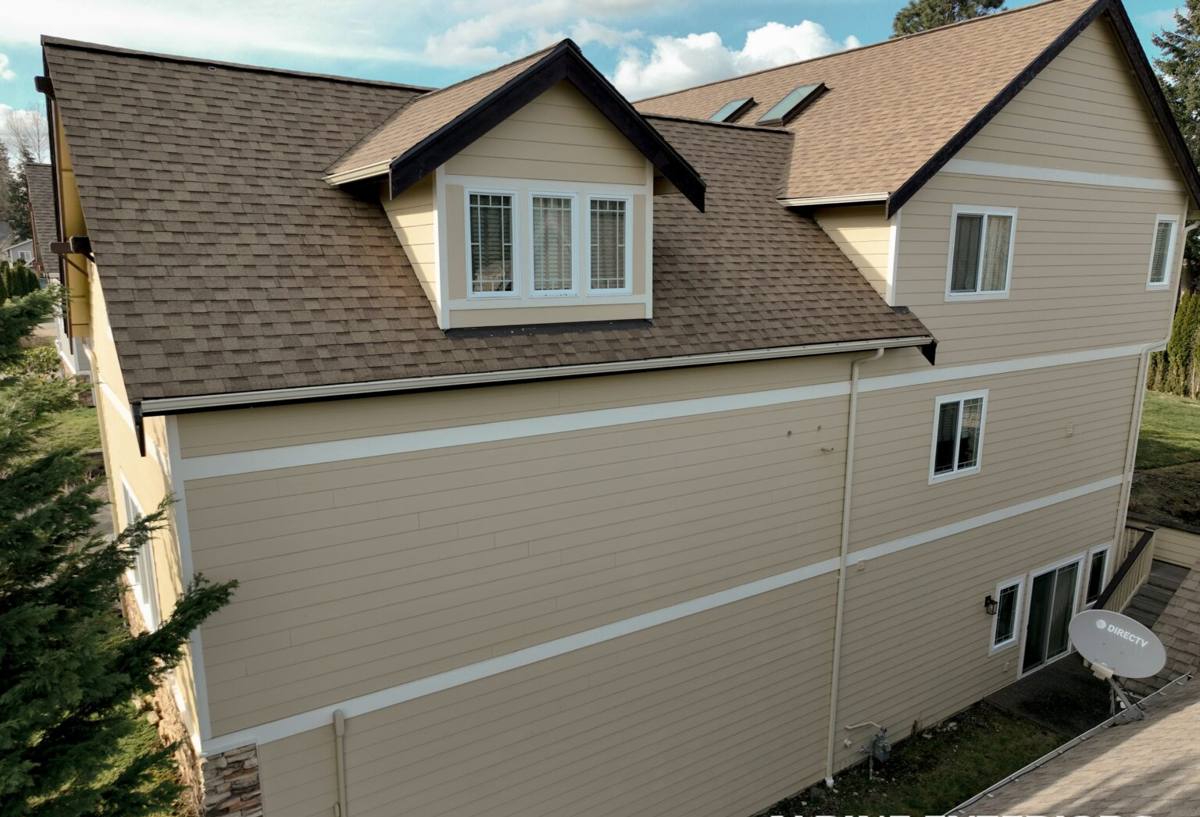
What Hurricane-Force Wind, UV, and Salt Air Do to Siding Here
Wind-Driven Rain and Storm Exposure
Tampa sits squarely in a hurricane-exposure zone, and Hyde Park's proximity to open water means wind-driven rain during tropical systems and even routine summer thunderstorms. Wind-driven rain doesn't fall straight down — it gets forced sideways and upward, finding gaps at panel seams, trim joints, and anywhere flashing was installed loosely or has failed. Over time, water intrusion behind siding causes rot in the substrate, staining, and eventually panel failure that isn't obvious until you're already dealing with a bigger repair.
Year-Round UV Load
Florida sun is intense and consistent almost every month of the year. Siding paint and coatings that would last a decade in a milder climate can fade, chalk, or crack years sooner here. UV breakdown of the surface coating leaves the substrate underneath exposed to moisture it was never meant to absorb directly.
Salt Air Corrosion
Being close to the bay means airborne salt settles on exterior surfaces and accelerates corrosion of fasteners, trim, and any metal flashing components. Salt exposure doesn't just affect siding material — it attacks the hardware holding it in place, which is often the actual point of failure even when the panels themselves look fine.
Common Hyde Park Siding Repair Calls We See
- Panel edges lifting or gapping where old caulking has failed under UV and heat cycling
- Soft or spongy spots near ground level or around window trim, usually a sign of moisture behind the siding
- Visible staining or streaking below seams, often the first external clue of a leak path
- Cracked or split panels from wind-blown debris during storm season
- Mismatched patch repairs from previous work that don't seal properly against the surrounding material
- Corroded or loosening fasteners allowing panels to shift or rattle in wind
What a Correct Repair Actually Involves
A siding repair that only addresses the cosmetic surface is a repair you'll be paying for again in a year or two. Doing it right in a climate like Tampa's means treating every repair as a chance to check the health of what's underneath.
Diagnosis Before Patching
Before any panel comes off, we look at the scope of the problem: is this isolated storm damage, or a symptom of a moisture path that's been active for a while? We check surrounding panels, trim, and flashing, not just the section that's visibly damaged.
Substrate and Moisture Check
If there's any sign of softness or staining, we check the sheathing and framing behind the siding. Replacing a panel over rotted substrate just delays the same repair — it doesn't solve it.
Flashing and Sealant Detail
Most siding failures we open up trace back to a flashing or sealant detail that let water in, not a failure of the siding material itself. Repairs get proper flashing at any interruption — windows, doors, penetrations — and sealants rated for sustained Florida sun and humidity, not general-purpose caulk that will chalk and crack within a season or two.
Matching Material
Where the surrounding siding is sound, we match repair panels as closely as possible in profile and finish. Where the surrounding material is aging out across the board, we'll tell you honestly if a section-by-section repair strategy makes more sense than another round of patching.
Why We Install and Repair Only With James Hardie Fiber Cement
We standardized on James Hardie fiber cement siding for every installation and repair, and it's a decision driven directly by what climates like Hillsborough County's do to lesser materials over time. Hardie's HZ5 product line is engineered specifically for high-humidity, high-UV climates like ours. It's non-combustible, which matters in a state where lightning-driven brush fires aren't unheard of, and it holds up to wind-driven rain and salt air far better than wood-based or vinyl alternatives over a full ownership cycle.
The factory-applied ColorPlus finish is a meaningful part of that durability. Because the color and protective topcoat are baked on in a controlled factory process rather than field-applied, it resists the UV fading and chalking that plagues field-painted siding in Florida's sun. When we do a repair on a Hardie installation, we're typically dealing with a caulking, flashing, or impact issue — not a material that's degrading from the inside out.
James Hardie also backs its products with a strong transferable warranty, which matters to homeowners in Hyde Park who may sell in the coming years. A well-documented repair history on Hardie siding is a selling point; a patchwork of past repairs on aging wood or vinyl siding tends to raise buyer questions instead.
How Hardie Compares to What We See on Older Hyde Park Homes
| Factor | James Hardie Fiber Cement | Vinyl / Wood-Based Siding |
|---|---|---|
| UV & fade resistance | Factory ColorPlus finish holds color for years under Florida sun | Field paint fades and chalks faster; vinyl can warp or discolor |
| Moisture behavior | Engineered HZ5 formulation resists moisture-related breakdown | Wood substrates rot when moisture gets behind panels; vinyl can trap moisture at seams |
| Storm/impact resistance | Dense fiber cement holds up well to wind-driven debris | Vinyl can crack or blow off in high wind; wood splits on impact |
| Fire rating | Non-combustible | Combustible (wood); vinyl can deform under heat |
| Repair pattern over time | Mostly isolated impact or trim/sealant repairs | Recurring rot, seam failure, and fade issues compound over time |
Our Repair Process for Hyde Park Homes
- On-site assessment — we walk the exterior, identify all affected areas, and check for moisture beyond the visibly damaged section
- Honest scope discussion — we tell you plainly whether this is a contained repair or part of a broader aging issue worth planning for
- Substrate correction — any rotted sheathing or framing gets addressed before new siding goes back on
- Flashing and sealant renewal — proper materials rated for Florida sun and moisture exposure, not shortcuts
- Panel replacement or matching — Hardie panels installed to manufacturer spec, matched to existing color and profile where feasible
- Final inspection — we check seams, fastening, and trim details before calling the job done
Why a Crew That Already Works Hyde Park Matters
Hyde Park's mix of home ages, bay proximity, and mature landscaping means repair work here isn't identical to a repair call in a newer subdivision further inland. A crew that already works this neighborhood knows to check for the moisture patterns that show up near heavy tree cover, understands how close-to-water salt exposure accelerates fastener corrosion, and has a feel for how the neighborhood's older homes were typically built and where past shortcuts tend to hide. That familiarity shortens the diagnosis phase and reduces the odds of a repair that only addresses what's on the surface.
Maintaining Your Siding Between Repairs
- Rinse siding periodically to clear salt residue and organic buildup, especially on sides facing the bay or exposed to prevailing wind
- Trim back tree limbs and shrubs that trap moisture against the siding or create impact risk in storms
- Inspect caulking at trim and window joints annually — Florida sun ages sealants faster than milder climates
- Watch for early staining or soft spots after heavy storm seasons and address them before they spread
- Keep gutters and downspouts clear so water isn't sheeting down exterior walls
Let's Take a Look at Your Siding
If you're seeing gaps, staining, soft spots, or storm damage on your Hyde Park home's siding, it's worth having someone look before the next round of Florida heat and rain makes it worse. We offer free, no-pressure estimates — we'll walk the exterior with you, tell you honestly what we find, and lay out your options.